Do you ever feel like your stomach is a ticking time bomb after a meal? You’re not alone. As we age, the digestive system slows down, making simple tasks like digesting a salad or absorbing nutrients from a pill much harder. This isn’t just about occasional heartburn; it’s about maintaining energy, immunity, and overall quality of life. Gastro health in seniors is often overlooked until it becomes a crisis, but small changes today can prevent major discomfort tomorrow.
Think of your gut as the engine of your body. When that engine sputters, everything else suffers. For adults over 65, this means dealing with constipation, acid reflux, or even unintended weight loss due to poor nutrient absorption. The good news? You have more control than you think. By understanding how aging affects digestion and adopting specific habits, you can keep your gut running smoothly well into your golden years.
How Aging Changes Your Digestive System
To fix the problem, you first need to understand what’s breaking. Aging brings physical changes to the gastrointestinal tract that are completely normal but often misunderstood. One of the biggest shifts is a decrease in saliva production. Saliva doesn’t just moisten food; it contains enzymes that start breaking down carbohydrates before they even hit your stomach. Less saliva means food sits heavier and longer, leading to bloating and indigestion.
Then there’s the matter of muscle tone. The muscles in your esophagus and intestines weaken with age. In younger years, these muscles push food along efficiently through peristalsis-the wave-like contractions that move contents through your gut. As those muscles lose elasticity, transit time slows. This is why constipation is such a common complaint among seniors. It’s not just a lack of fiber; it’s a mechanical slowdown.
Stomach acid levels also drop. While low stomach acid sounds like it would help with heartburn, it actually causes problems. You need enough acid to kill harmful bacteria and break down proteins. Without it, you might experience gas, bloating, and difficulty absorbing vital minerals like iron, calcium, and vitamin B12. This hidden deficiency can lead to anemia and bone density issues, linking your gut health directly to your skeletal and blood health.
| Change | Impact on Body | Symptoms |
|---|---|---|
| Reduced Saliva | Poor initial breakdown of food | Bloating, dry mouth, difficulty swallowing |
| Weakened Muscle Tone | Slower intestinal transit | Constipation, irregular bowel movements |
| Lower Stomach Acid | Reduced nutrient absorption | Anemia, fatigue, gas, nutrient deficiencies |
| Altered Gut Microbiome | Weakened immune response | Frequent infections, inflammation |
The Critical Role of Hydration and Fiber
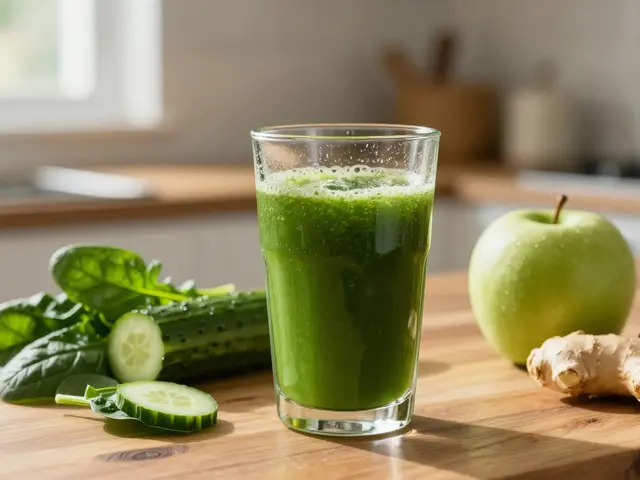
If there were only two things you could change to improve your gastro health, hydration and fiber would be them. Yet, many seniors struggle with both. The sensation of thirst diminishes with age, meaning you might be dehydrated without feeling thirsty. Dehydration pulls water from your colon to hydrate other parts of your body, turning stool hard and difficult to pass. Aim for at least six to eight glasses of water daily, unless your doctor advises otherwise due to heart or kidney conditions.
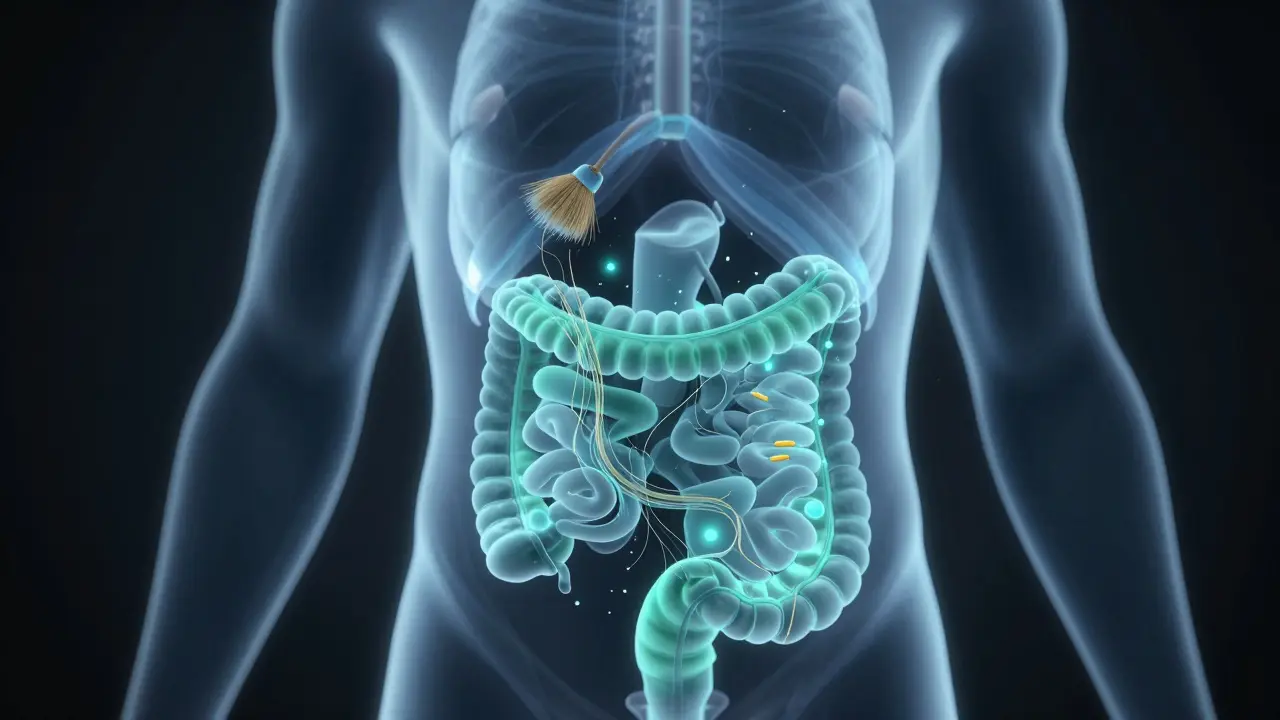
Fiber acts like a broom for your intestines. It adds bulk to stool and helps it move through the slower-moving gut. There are two types: soluble and insoluble. Soluble fiber, found in oats, beans, and apples, dissolves in water to form a gel-like substance that can help lower cholesterol and regulate blood sugar. Insoluble fiber, found in whole wheat, nuts, and vegetables, adds bulk and speeds up passage. A mix of both is ideal.
However, increasing fiber too quickly can backfire. If you jump from a low-fiber diet to eating five servings of broccoli a day, you’ll likely experience severe gas and cramping. Increase your intake gradually over a few weeks. Pair every increase in fiber with an increase in water. Without adequate fluid, extra fiber can actually worsen constipation by creating a blockage rather than easing flow.
Nutrient Absorption: Beyond Just Eating Well
Eating the right foods is only half the battle if your body can’t absorb the nutrients. Malabsorption is a silent thief in senior health. Vitamin B12 is particularly tricky because it requires intrinsic factor-a protein produced in the stomach-to be absorbed. As stomach lining thins with age, intrinsic factor production drops. Up to 15% of seniors may have B12 deficiency, leading to nerve damage, memory issues, and fatigue. Sublingual B12 supplements (those that dissolve under the tongue) bypass the stomach entirely, offering a reliable solution.
Calcium and Vitamin D are another duo that suffer in the gut. Older bones need more calcium, but the gut absorbs less of it. Coupled with reduced sun exposure for Vitamin D synthesis, this creates a perfect storm for osteoporosis. Fortified foods and targeted supplementation become necessary tools here. Iron absorption also declines, which is crucial for preventing anemia, especially in women who had heavy menstrual cycles earlier in life or men with chronic bleeding issues like ulcers.
Protein is equally important. Sarcopenia, the loss of muscle mass associated with aging, accelerates if you don’t get enough protein. But large steaks can be hard to chew and digest. Opt for easier-to-digest protein sources like eggs, Greek yogurt, tofu, and flaked fish. These provide high-quality amino acids without taxing your digestive system excessively.
Medication Management and Gut Health
Many seniors take multiple medications, a practice known as polypharmacy. Unfortunately, several common drugs wreak havoc on the gut. Proton pump inhibitors (PPIs), used for acid reflux, reduce stomach acid significantly. While this soothes heartburn, long-term use increases the risk of infections like C. diff and reduces mineral absorption. Discuss with your doctor if you can taper off PPIs or switch to H2 blockers, which are gentler.
Opioids, often prescribed for pain management, are notorious for causing severe constipation. They slow down gut motility dramatically. If you’re on opioids, a proactive bowel regimen including osmotic laxatives like polyethylene glycol (MiraLAX) is often necessary to maintain regularity. Don’t wait until you’re backed up; prevention is far easier than treatment.
Antibiotics, while life-saving, wipe out beneficial gut bacteria along with the bad. After a course of antibiotics, consider incorporating probiotic-rich foods like kefir, sauerkraut, or kimchi into your diet. Some studies suggest taking a high-quality probiotic supplement during and after antibiotic therapy can help restore microbial balance faster, reducing side effects like diarrhea.
Movement and Mindful Eating Habits
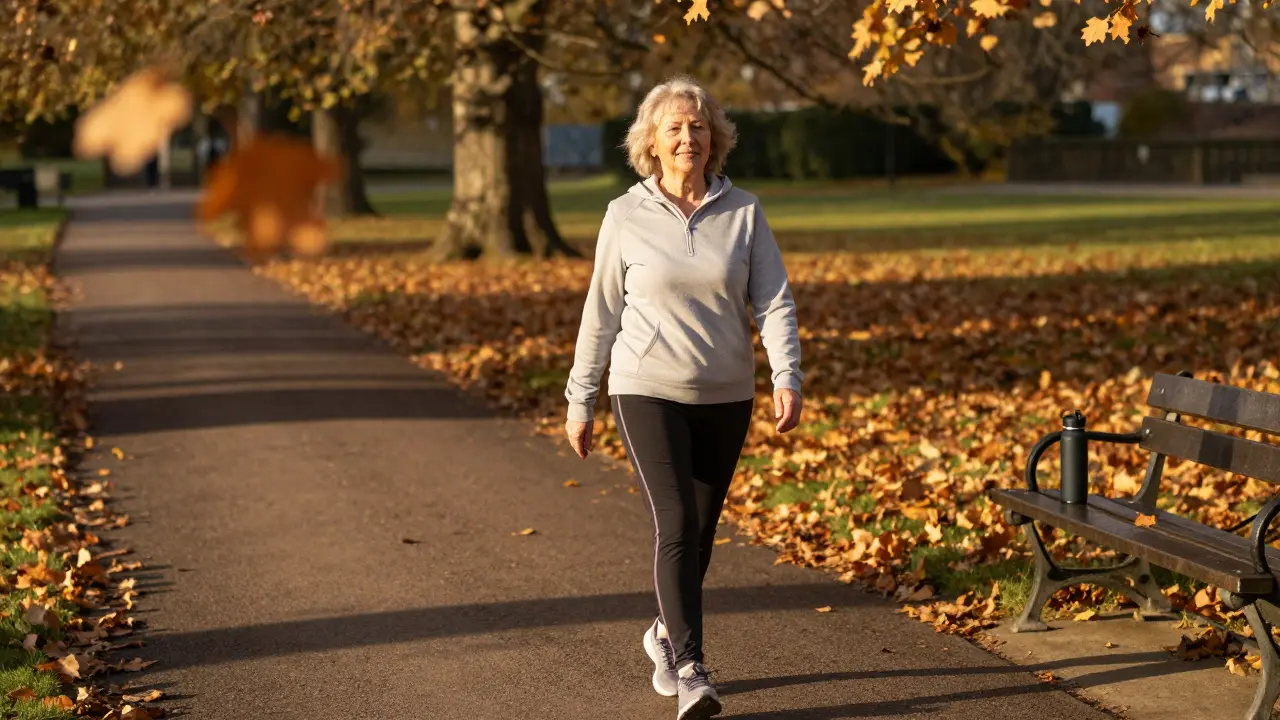
Your gut doesn’t work in isolation. Physical activity stimulates intestinal contractions. A gentle 20-minute walk after meals can significantly aid digestion and reduce bloating. It helps move food through the system and improves insulin sensitivity, which indirectly supports gut health by reducing inflammation.
Mindful eating is another powerful tool. Many seniors eat quickly, perhaps watching TV or reading, missing the signals their body sends. Chewing thoroughly is non-negotiable. Since saliva production is lower, you must mechanically break down food more in your mouth. Take smaller bites, chew each one 20-30 times, and put your fork down between bites. This gives your brain time to register fullness and prevents overeating, which strains an already sluggish digestive system.
Stress also plays a role. The gut-brain axis is real. Anxiety and stress trigger the release of cortisol, which can alter gut motility and increase inflammation. Simple breathing exercises or meditation before meals can shift your body from "fight or flight" to "rest and digest," optimizing the environment for digestion.
When to See a Doctor
Some digestive issues are normal parts of aging, but others signal serious underlying conditions. Never ignore red flags. Unintended weight loss, blood in your stool (either bright red or black/tarry), persistent abdominal pain, difficulty swallowing, or sudden changes in bowel habits that last more than two weeks require immediate medical attention. These could indicate colorectal cancer, inflammatory bowel disease, or other serious disorders.
Regular screenings are vital. Colonoscopies are recommended every ten years starting at age 45, or sooner if you have a family history. These screenings detect polyps before they turn into cancer. Skipping them because of embarrassment or fear is dangerous. Modern sedation makes the procedure comfortable, and the peace of mind is worth it.
If you experience frequent heartburn despite lifestyle changes, see a gastroenterologist. Chronic acid reflux can lead to Barrett’s esophagus, a precancerous condition. Early intervention can prevent progression and manage symptoms effectively.
What is the best breakfast for senior digestive health?
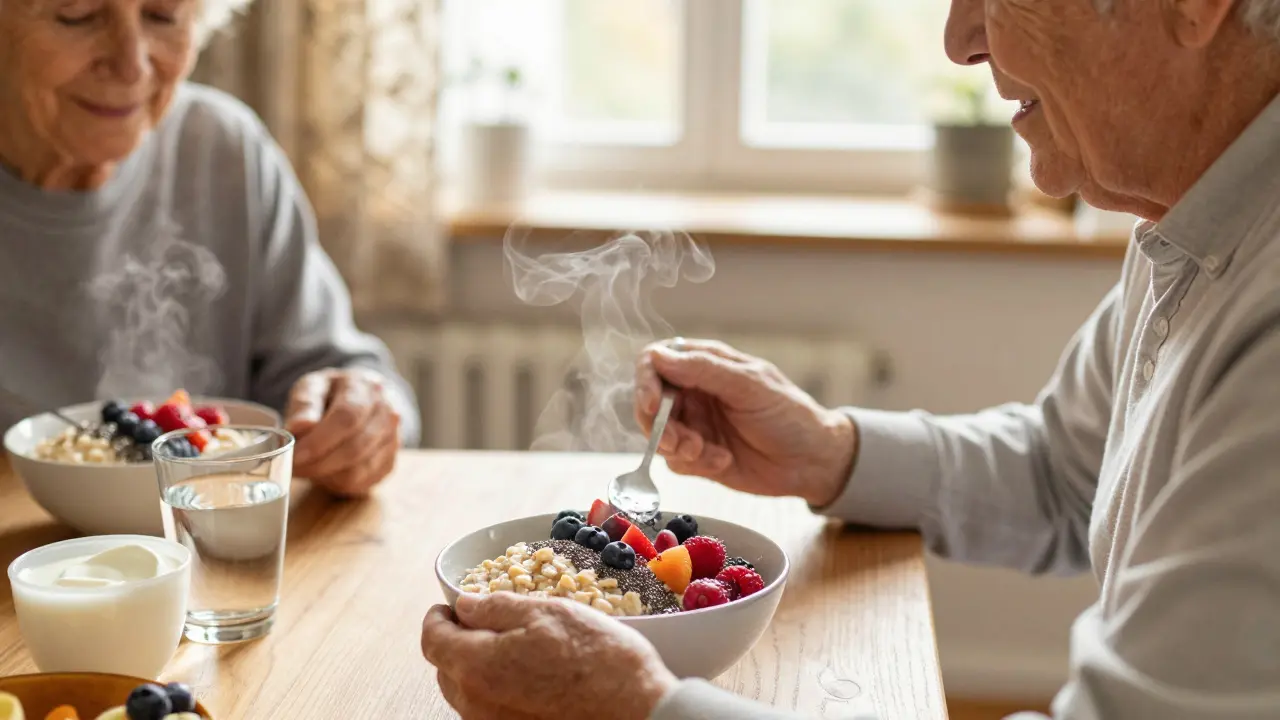
A great breakfast includes soluble fiber and easy-to-digest protein. Try oatmeal made with water or milk, topped with berries and a spoonful of chia seeds. Add a boiled egg or some Greek yogurt for protein. Avoid sugary cereals and heavy pastries, which can cause blood sugar spikes and bloating.
Can probiotics help with senior constipation?
Yes, certain strains of probiotics, particularly Lactobacillus and Bifidobacterium, can help regulate bowel movements. However, they are not a quick fix. Combine probiotic supplements or fermented foods with increased water intake and physical activity for best results. Consult your doctor before starting new supplements.
Why do I feel bloated after eating small amounts of food?
This could be due to gastroparesis, where the stomach empties slowly, or simply reduced stomach acid and enzyme production. Eating smaller, more frequent meals instead of three large ones can help. Also, ensure you are chewing thoroughly and avoiding carbonated drinks, which add gas to the stomach.
Is it safe to take antacids daily?
Occasional use is generally safe, but daily long-term use of antacids, especially proton pump inhibitors, can lead to nutrient deficiencies and increased infection risk. Use them as directed by a healthcare provider and explore lifestyle changes like elevating your head while sleeping and avoiding late-night meals to manage acid reflux naturally.
How does exercise specifically help digestion?
Physical activity stimulates the muscles in your intestines, promoting peristalsis-the movement that pushes food through your digestive tract. Regular walking, swimming, or yoga can reduce constipation and bloating. Even light movement after meals aids in gastric emptying and reduces the likelihood of acid reflux.