We spend hours perfecting our skincare routines and counting steps on our fitness trackers, yet we often ignore the bustling city inside us. We flush away what we eat without a second thought. But that quick exit is actually the final stage of a complex biological process that dictates everything from your mood to your immune strength. Gut health isn't just about avoiding bloating or constipation; it is the foundational pillar of your entire well-being.
Think of your digestive system as a separate universe with its own nervous system, immune network, and trillions of inhabitants. When this internal ecosystem thrives, you feel energized, clear-headed, and resilient. When it falters, the consequences ripple outward in ways most people never connect back to their stomachs. It’s time to look closer at why caring for your gut is arguably the most impactful health decision you can make.
The Second Brain: Understanding the Gut-Brain Axis
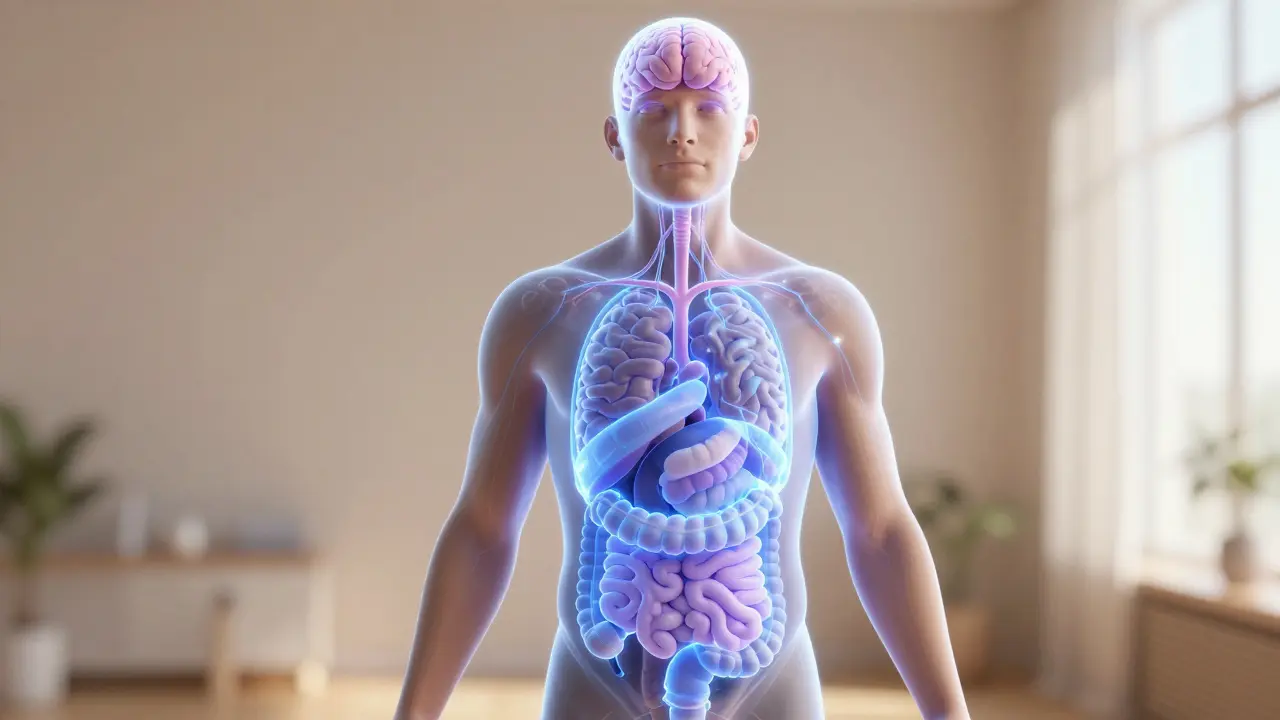
You might have heard the phrase "trust your gut," but there is literal science behind it. Your intestines are lined with more than 100 million nerve cells, forming what scientists call the enteric nervous system. This network is so sophisticated that it can operate independently of your brain, earning the nickname "the second brain."
This connection works both ways. Stress triggers physical symptoms like nausea or butterflies in your stomach. Conversely, an imbalance in your gut bacteria can send distress signals up the vagus nerve, leading to anxiety, brain fog, or low mood. Research suggests that approximately 95% of your body's serotonin-a neurotransmitter crucial for regulating happiness and sleep-is produced in the gut. If your digestive environment is hostile, your chemical messengers get disrupted, directly impacting your mental state.
The Microbiome: Your Internal Ecosystem
Your gut is home to roughly 39 trillion microbes, outnumbering your human cells by nearly one to one. Collectively, these bacteria, viruses, fungi, and archaea form the gut microbiome. They aren't just passengers; they are essential workers.
These microbes perform critical jobs:
- Digestion: They break down complex carbohydrates and fibers that your own enzymes cannot handle.
- Vitamin Production: They synthesize Vitamin K and B vitamins, which are vital for blood clotting and energy metabolism.
- Immune Defense: About 70% of your immune system resides in the gut-associated lymphoid tissue (GALT). A diverse microbiome trains your immune cells to distinguish between harmless substances and actual threats.
When this diversity drops-a condition known as dysbiosis-the protective barrier of your gut lining can become permeable. This "leaky gut" allows undigested food particles and toxins to enter the bloodstream, triggering systemic inflammation. Chronic inflammation is linked to a host of issues, including autoimmune disorders, skin conditions like eczema, and even metabolic diseases.
Signs Your Gut Needs Attention
Your body is constantly communicating with you, but the messages are often subtle. Ignoring them until they become severe pain is a common mistake. Here are the early warning signs that your digestive system is struggling:
- Persistent Digestive Issues: Frequent bloating, gas, heartburn, or irregular bowel movements (constipation or diarrhea) suggest your digestion isn't processing food efficiently.
- Unexplained Fatigue: Even if you sleep well, poor nutrient absorption due to gut inflammation can leave you feeling drained.
- Skin Breakouts: Acne, rosacea, or eczema flares often correlate with gut imbalances because the liver gets overwhelmed trying to filter toxins that escaped the gut barrier.
- Mood Swings: Unexplained anxiety or depression may stem from neurochemical disruptions caused by unhealthy gut bacteria.
- Frequent Infections: If you catch every cold going around, your immune system might be compromised by a lack of beneficial gut flora.
How Modern Life Sabotages Your Gut
It wasn't always this hard to maintain good gut health. Our ancestors didn't have to worry about probiotic supplements because their lifestyles naturally supported a robust microbiome. Today, several modern factors work against us.
Ultra-Processed Foods dominate our diets. These foods are stripped of fiber and packed with emulsifiers, artificial sweeteners, and preservatives. Emulsifiers, used to keep mayo smooth or ice cream creamy, have been shown in studies to strip away the mucus layer protecting the gut lining, allowing bacteria to invade deeper tissues.
Antibiotic Overuse is another major culprit. While life-saving for bacterial infections, antibiotics act like carpet bombs, wiping out beneficial bacteria alongside the bad ones. It can take months or even years for the microbiome to fully recover after a course of strong antibiotics.
Chronic Stress keeps your body in "fight or flight" mode. In this state, blood flow is diverted away from digestion to muscles, slowing down gastrointestinal motility and reducing enzyme production. If you eat while stressed, your body literally doesn't digest the food properly.
Nourishing Your Gut: Practical Steps
Improving your gut health doesn't require expensive tests or extreme diets. It starts with consistent, daily habits that feed and protect your microbiome.
1. Feed the Good Bacteria
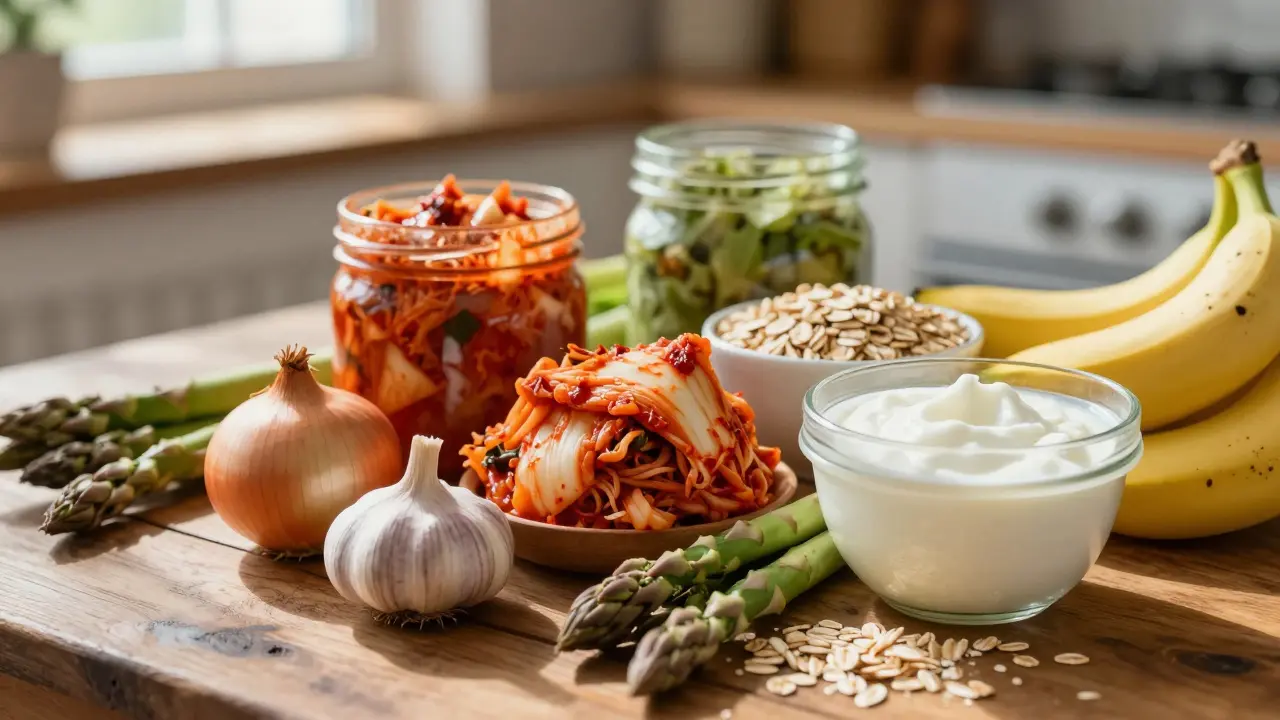
Bacteria need fuel, and their preferred food is fiber. Specifically, prebiotic fiber found in onions, garlic, leeks, asparagus, bananas, and oats. Aim for 25-30 grams of fiber daily. If you're currently eating low-fiber, increase it gradually to avoid gas. Drink plenty of water to help the fiber move through your system.
2. Diversify Your Plant Intake
Diversity in your diet leads to diversity in your microbiome. Try to eat 30 different plants per week. This includes fruits, vegetables, nuts, seeds, legumes, and whole grains. Fermented foods like yogurt, kefir, sauerkraut, kimchi, and miso introduce live probiotics directly into your gut, boosting the population of beneficial bacteria.
3. Chew Thoroughly
Digestion begins in the mouth. Chewing breaks down food mechanically and mixes it with saliva, which contains enzymes that start breaking down starches. Eating too quickly forces your stomach to work overtime, leading to indigestion and poor nutrient absorption. Put your fork down between bites.
4. Manage Stress
Since stress directly impacts gut function, relaxation techniques are digestive aids. Deep breathing exercises stimulate the vagus nerve, shifting your body into "rest and digest" mode. Regular movement, such as walking or yoga, also reduces cortisol levels, creating a better environment for your gut bacteria.
| Category | Supports Gut Health | Harms Gut Health |
|---|---|---|
| Carbohydrates | Oats, barley, apples, legumes (high fiber) | White bread, pastries, sugary cereals |
| Fats | Olive oil, avocados, fatty fish (anti-inflammatory) | Fried foods, trans fats, excessive saturated fats |
| Additives | None needed; whole foods only | Artificial sweeteners (aspartame, sucralose), emulsifiers |
| Lifestyle | Regular exercise, adequate sleep, social connection | Sedentary behavior, chronic stress, alcohol excess |

Common Misconceptions About Gut Health
In the rush to optimize health, misinformation spreads quickly. Let's clear up a few myths.
Myth: Probiotic Supplements Fix Everything. While probiotics can help, they are not a silver bullet. Taking a supplement without feeding the bacteria with prebiotic fiber is like planting seeds in barren soil. Furthermore, the strains in supplements may not colonize your gut permanently. Whole fermented foods often provide a broader range of benefits and accompanying nutrients.
Myth: You Need a "Detox" to Cleanse Your Gut. Your liver and kidneys are already highly efficient detoxification organs. There is no scientific evidence that juice cleanses or laxative teas "clean" your gut. In fact, many cleanse products disrupt the natural balance of your microbiome and cause dehydration. The best way to support your body's natural detox processes is to stay hydrated and eat a balanced diet.
Myth: All Bacteria Are Bad. We are taught to sanitize everything, but exposure to diverse environments-playing in dirt, interacting with pets, eating unprocessed foods-builds a resilient microbiome. An overly sterile environment can lead to weaker immune responses and higher rates of allergies.
When to See a Doctor
While lifestyle changes can improve general gut health, some symptoms indicate underlying medical conditions that require professional diagnosis. Do not self-treat if you experience:
- Blood in your stool
- Unintentional weight loss
- Severe, persistent abdominal pain
- Difficulty swallowing
- Chronic diarrhea lasting more than two weeks
Conditions like Irritable Bowel Syndrome (IBS), Inflammatory Bowel Disease (IBD), Celiac disease, or Small Intestinal Bacterial Overgrowth (SIBO) need specific medical management. A gastroenterologist can perform tests like breath tests, endoscopies, or stool analyses to pinpoint the issue.
Building Long-Term Resilience
Gut health is not a destination; it's a practice. Just as you wouldn't expect to build muscle overnight, rebuilding a healthy microbiome takes time. Consistency matters more than perfection. One bad meal won't ruin your gut, just as one salad won't fix it. Focus on the overall pattern of your diet and lifestyle.
Start small. Add one serving of fermented food to your breakfast. Swap white rice for quinoa or brown rice. Take five minutes before meals to breathe deeply. As you notice improvements in your energy, digestion, and mood, you'll likely find that caring for your gut becomes a natural part of your daily routine. By respecting this internal ecosystem, you invest in a healthier, happier version of yourself.
How long does it take to heal the gut?
There is no single timeline, as it depends on the severity of the imbalance and individual biology. However, many people report noticeable improvements in digestion and energy within 2 to 4 weeks of adopting a high-fiber, anti-inflammatory diet and reducing stress. Full restoration of microbiome diversity can take several months of consistent effort.
What is the number one food for gut health?
There isn't just one magic food, but fermented foods like kimchi, sauerkraut, and yogurt are top contenders due to their live probiotic content. Additionally, high-fiber foods like oats, beans, and berries are crucial because they feed the beneficial bacteria already present in your gut. Diversity in plant intake is more important than focusing on a single superfood.
Can stress really cause stomach problems?
Yes, absolutely. The gut-brain axis connects your emotional center to your digestive tract. Stress hormones like cortisol can slow down digestion, reduce blood flow to the gut, and alter the composition of gut bacteria. This is why many people experience nausea, cramping, or changes in bowel habits during stressful periods.
Are probiotic supplements necessary?
Probiotic supplements can be helpful in specific situations, such as recovering from antibiotic use or managing certain digestive disorders. However, for general maintenance, getting probiotics from whole fermented foods is often more effective because these foods also contain prebiotics and other nutrients that support bacterial growth. Consult a healthcare provider before starting high-dose supplements.
What should I avoid to protect my gut?
To protect your gut, minimize ultra-processed foods, artificial sweeteners, and emulsifiers. Limit alcohol consumption, as it can damage the gut lining and kill beneficial bacteria. Avoid unnecessary antibiotic use when possible, and try to manage chronic stress through relaxation techniques and adequate sleep.