Your stomach is not just a bag for digesting lunch. It is the command center of your immune system. In fact, about 70% of your immune cells live in your gut. If you have been feeling run down, getting sick often, or dealing with brain fog, the root cause might be hiding in your digestive tract. We tend to treat symptoms-taking a pill for a headache or an antihistamine for allergies-but we rarely ask why our bodies are struggling to defend themselves. The answer lies in the trillions of microbes living inside you.
This isn't woo-woo science. It is biology. Your gut lining acts as a barrier between your internal organs and the outside world (which includes everything you eat). When that barrier is weak, toxins and bacteria leak through, triggering inflammation. This condition, often called "leaky gut," sets off a chain reaction that can lead to chronic fatigue, autoimmune issues, and frequent infections. Fixing your gut health is arguably the most powerful tool you have against illness because it addresses the source, not just the symptom.
Why is gut health considered so important for immunity?
Your gut houses the majority of your immune system's cells. A healthy microbiome trains these cells to distinguish between harmless substances and dangerous pathogens. When gut health declines, this training fails, leading to overactive immune responses (allergies) or underactive ones (frequent infections).
The Microbiome: Your Internal Ecosystem
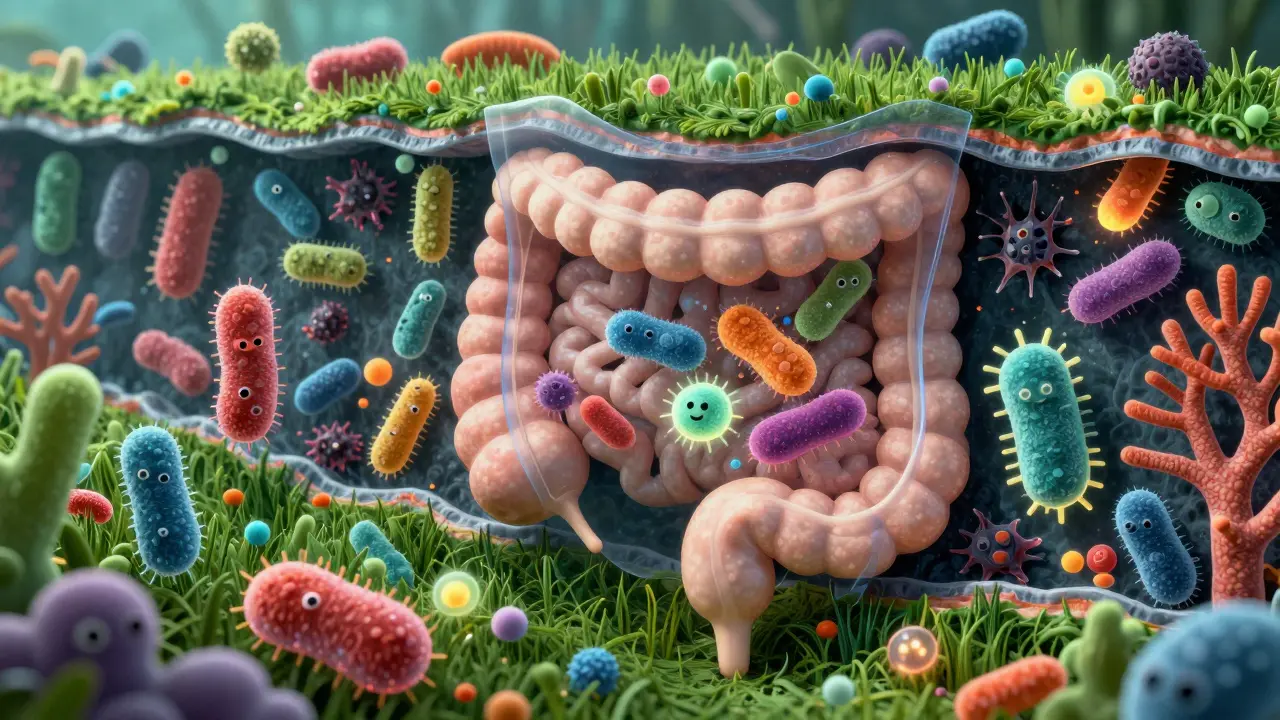
To understand how to fix your gut, you first need to understand what lives there. Scientists call this collection of bacteria, viruses, fungi, and other microbes the microbiome. Think of it like a rainforest. Some plants are helpful, providing oxygen and shelter. Others are weeds that choke out the good stuff. You want a diverse, thriving forest, not a monoculture of weeds.
Research from institutions like the Harvard T.H. Chan School of Public Health shows that diversity is key. If you only have one or two types of bacteria dominating your gut, you are vulnerable. A diverse microbiome produces short-chain fatty acids, like butyrate, which feed the cells lining your colon and reduce inflammation. These microbes also produce neurotransmitters. Did you know that about 95% of your body's serotonin, the hormone that regulates mood, is made in your gut? This explains the strong link between gut health and mental well-being.
The balance of your microbiome changes constantly. Antibiotics, stress, poor diet, and lack of sleep can wipe out the good bacteria. When the bad bacteria take over, they ferment food improperly, creating gas, bloating, and systemic inflammation. This inflammation signals your immune system to stay on high alert, exhausting your body’s resources and making you susceptible to viruses and bacteria from the environment.
Diet: Feeding the Good Bacteria
You cannot buy your way to a healthy gut with supplements alone. Diet is the primary lever you pull. The bacteria in your gut are picky eaters. They thrive on specific types of fiber found in plants. This fiber is known as prebiotics. Prebiotics are non-digestible carbohydrates that pass through your stomach undigested, reaching your colon where they serve as food for your beneficial bacteria.
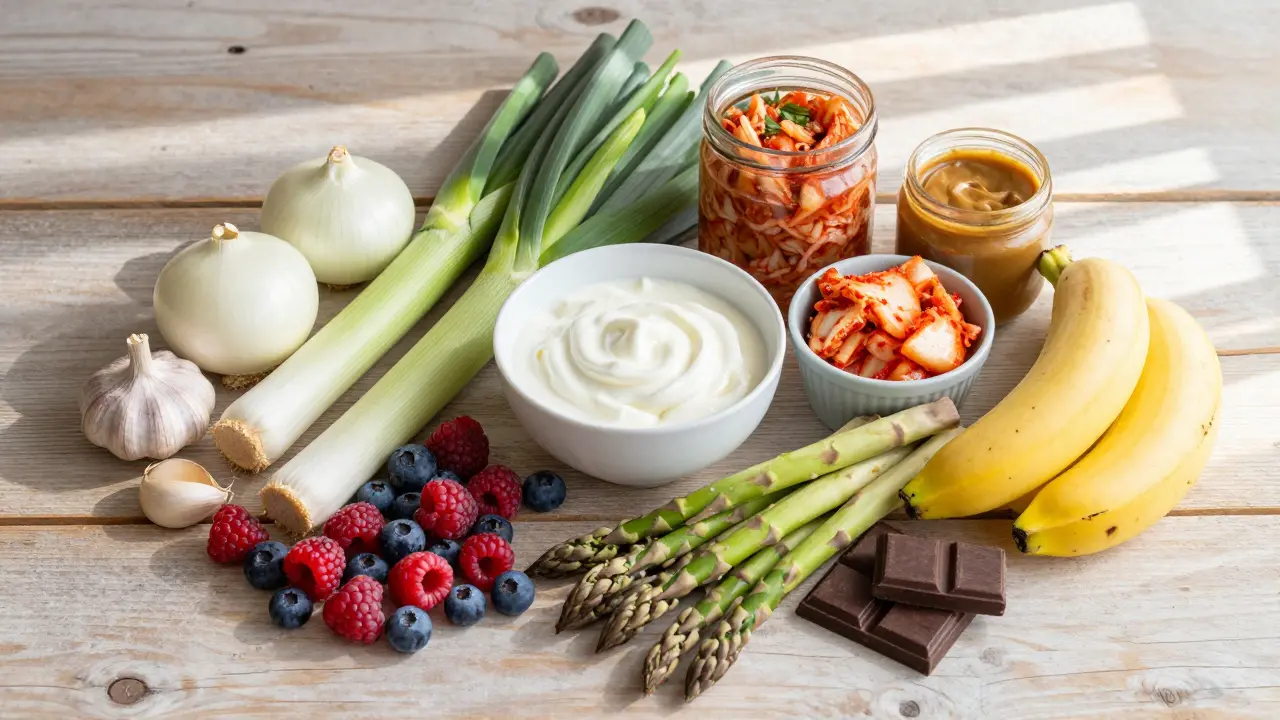
If you do not eat enough prebiotics, your good bacteria starve and die off. This allows harmful bacteria to multiply. Common sources of prebiotics include garlic, onions, leeks, asparagus, bananas, and oats. Aim to include at least three servings of these foods daily. For example, adding chopped garlic and onion to your morning eggs or snacking on half a banana can make a significant difference.
On the flip side, you need to introduce more good bacteria directly. These are called probiotics. Probiotics are live microorganisms that provide health benefits when consumed. While supplements exist, fermented foods are often more effective because they contain a variety of strains and are paired with natural nutrients. Incorporate yogurt (with live cultures), kefir, sauerkraut, kimchi, miso, and kombucha into your weekly routine. Just ensure the sauerkraut and kimchi are refrigerated; shelf-stable versions have been pasteurized, killing the beneficial bacteria.
| Type | Function | Top Food Sources |
|---|---|---|
| Prebiotics | Fiber that feeds good bacteria | Garlic, onions, bananas, oats, asparagus |
| Probiotics | Live beneficial bacteria | Kefir, yogurt, sauerkraut, kimchi, miso |
| Polyphenols | Plant compounds that support microbial diversity | Berries, dark chocolate, green tea, nuts |
Another critical component is polyphenols. These are plant compounds that act as antioxidants. Unlike vitamins, your body doesn't use them directly; instead, your gut bacteria break them down. This process strengthens the gut lining and boosts immunity. Berries, dark leafy greens, olive oil, and dark chocolate (at least 70% cocoa) are excellent sources. Eating a rainbow of colors ensures you get a wide range of polyphenols to support different bacterial strains.
Lifestyle Factors Beyond Food
What you put on your plate is only half the equation. How you live affects your gut just as much. Stress is a major killer of gut health. When you are stressed, your body releases cortisol. High levels of cortisol increase intestinal permeability, allowing toxins to leak into the bloodstream. This triggers the immune system, creating a vicious cycle of inflammation and stress.
Managing stress is not optional if you want to prevent illness. Simple practices like deep breathing, walking in nature, or even ten minutes of meditation can lower cortisol levels. Sleep is equally vital. During deep sleep, your body repairs the gut lining. Chronic sleep deprivation disrupts the circadian rhythm of your gut bacteria, reducing their diversity and function. Aim for seven to nine hours of quality sleep per night.
Physical activity also plays a role. Exercise increases the diversity of gut bacteria. Studies show that athletes have more diverse microbiomes than sedentary individuals. You don't need to run marathons; moderate exercise like brisk walking or cycling for 30 minutes a day is sufficient to promote the growth of anti-inflammatory bacteria.

Signs Your Gut Needs Attention
How do you know if your gut health is compromised? Listen to your body. Frequent bloating, gas, heartburn, or irregular bowel movements are early warning signs. However, the effects extend beyond digestion. Skin issues like eczema, acne, or rosacea can be linked to gut inflammation. Unexplained fatigue, brain fog, and mood swings are also common indicators.
If you find yourself getting colds or flu more often than others, your immune system may be weakened by poor gut health. Pay attention to food sensitivities. Developing new intolerances to foods you used to tolerate well suggests that your gut lining is damaged. Addressing these issues early can prevent more serious chronic conditions later in life.
Rebuilding Gut Health: A Step-by-Step Approach
Fixing your gut takes time. Do not expect overnight results. Start by eliminating processed foods, added sugars, and artificial sweeteners. These ingredients feed harmful bacteria and yeast, promoting inflammation. Replace them with whole, unprocessed foods.
- Cleanse: Reduce inflammatory foods for two weeks. Focus on vegetables, lean proteins, and healthy fats.
- Rebuild: Introduce prebiotic fibers gradually to avoid excessive gas. Add fermented foods daily.
- Restore: Manage stress and prioritize sleep to support the healing process.
- Maintain: Continue eating a diverse, plant-rich diet long-term to sustain microbial diversity.
Consider keeping a food diary to track how different foods affect your energy and digestion. This helps identify personal triggers. If symptoms persist, consult a healthcare provider to rule out underlying conditions like irritable bowel syndrome (IBS) or inflammatory bowel disease (IBD).
Can antibiotics permanently damage gut health?
Antibiotics kill both harmful and beneficial bacteria. While the microbiome usually recovers within a few months, some studies suggest certain strains may not return fully. To mitigate damage, take probiotics during and after antibiotic treatment, and focus on a high-fiber diet to help rebuild bacterial diversity.
Is it better to take probiotic supplements or eat fermented foods?
Fermented foods are generally preferred because they provide a wider variety of bacterial strains and are accompanied by nutrients that support bacterial growth. Supplements can be useful in specific cases, such as after antibiotic use, but should be chosen carefully based on strain specificity and colony-forming units (CFUs).
How long does it take to see improvements in gut health?
Many people notice reduced bloating and improved digestion within two to four weeks of dietary changes. However, rebuilding a robust, diverse microbiome and strengthening the immune response can take three to six months of consistent effort.
Does sugar really harm gut bacteria?
Yes. High sugar intake promotes the growth of harmful bacteria and yeast, such as Candida. This imbalance reduces microbial diversity and increases inflammation, weakening the gut barrier and compromising immune function.
What role does hydration play in gut health?
Water is essential for maintaining the mucosal lining of the intestines. Proper hydration supports the movement of waste through the digestive tract and prevents constipation, which can allow toxins to reabsorb into the body. Aim for at least eight glasses of water daily.