
It’s July in the Southern Hemisphere, and if you’re like me in Wellington, the sun is finally starting to show its face. But with that warmth comes a tricky challenge: staying hydrated without reaching for sugary sodas or heavy coffees. That’s where health juice recipes come in. They aren’t just trendy Instagram posts; they are practical tools for cooling down, boosting your immune system, and getting nutrients into your body faster than chewing through a mountain of kale ever could.
I’ve spent years testing blenders, juicers, and ingredients to find what actually works-and tastes good. The goal here isn’t perfection. It’s about creating drinks that refresh you, support your digestion, and keep your energy steady during those long, bright days. Whether you have a high-end masticating juicer or a simple blender, these recipes are designed to be accessible, effective, and genuinely delicious.
Why Juicing Works Better Than You Think
There’s a lot of noise around juicing. Some people swear by it as a cure-all; others dismiss it as an expensive waste of fiber. The truth sits somewhere in the middle. When you juice, you separate the liquid nutrients from the insoluble fiber. This doesn’t mean you’re losing health benefits-it means you’re changing how your body processes them.
Cold-pressed juice is liquid extracted from fruits and vegetables using a slow press rather than fast centrifugal blades. Because it avoids high heat and oxidation, it retains more enzymes and vitamins. For summer, this matters. Your body is working harder to regulate temperature, and easily absorbable nutrients can reduce metabolic stress.
Think of it this way: eating a whole apple gives you fiber and sugar slowly. Drinking apple juice delivers that sugar quickly, which can spike your blood glucose. But when you blend that apple with cucumber, celery, and lemon, you dilute the sugar load while adding electrolytes and hydration. That’s the key to making juice work for you, not against you.
Essential Equipment: What You Actually Need
You don’t need a $500 machine to make great juice. In fact, some of the best summer drinks come from the simplest setups. Here’s what I recommend based on budget and effort:
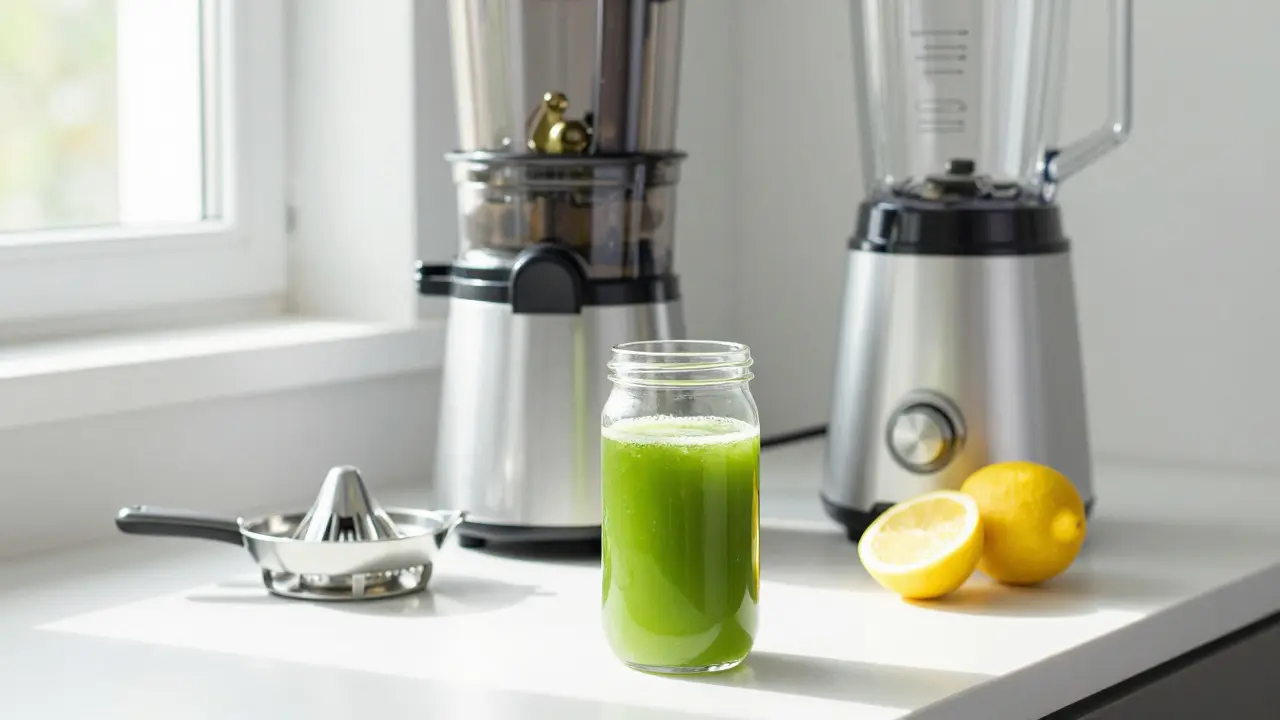
- Masticating (Slow) Juicer: Best for leafy greens and wheatgrass. It crushes produce slowly, preserving nutrients. Brands like Omega or Hurom are reliable, but any reputable slow juicer will do.
- Centrifugal Juicer: Faster and cheaper, but generates heat and oxidizes juice quicker. Great for hard fruits and veggies like carrots and apples. Use immediately.
- High-Speed Blender: If you want to keep the fiber, blend everything and strain through a nut milk bag. This creates a smoother texture than traditional blending and lets you control thickness.
- Citrus Press: For quick lemon, lime, or orange juice. No electricity needed. Perfect for morning boosts.
If you’re new to this, start with a blender. It’s versatile, easy to clean, and forces you to include fiber, which helps stabilize blood sugar. As you get comfortable, consider investing in a slow juicer for greener, less sweet recipes.
Top 5 Refreshing Health Juice Recipes for Summer
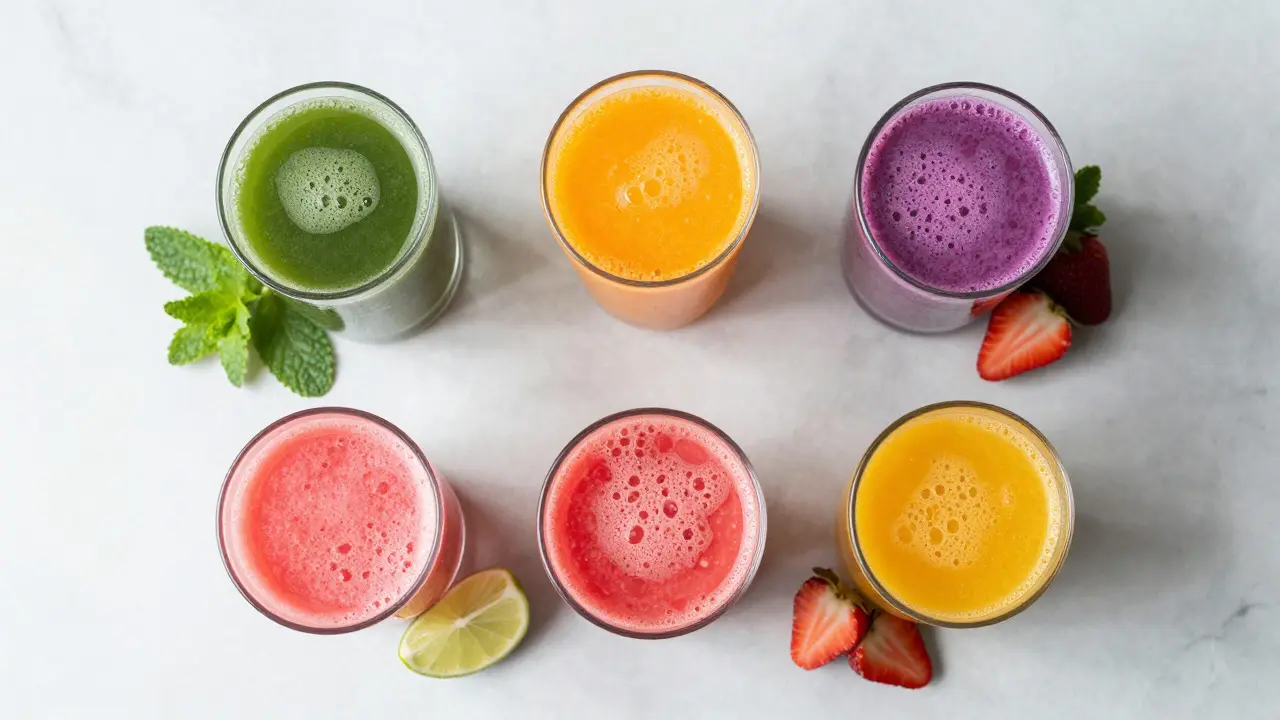
These recipes are designed for maximum hydration, minimal sugar spikes, and bold flavor. Each one takes under 10 minutes to prepare. Adjust sweetness by adding more cucumber or celery if you prefer a savory profile.
1. Green Glow Detox
This is my go-to for mid-afternoon slumps. It’s earthy, slightly tart, and incredibly refreshing.
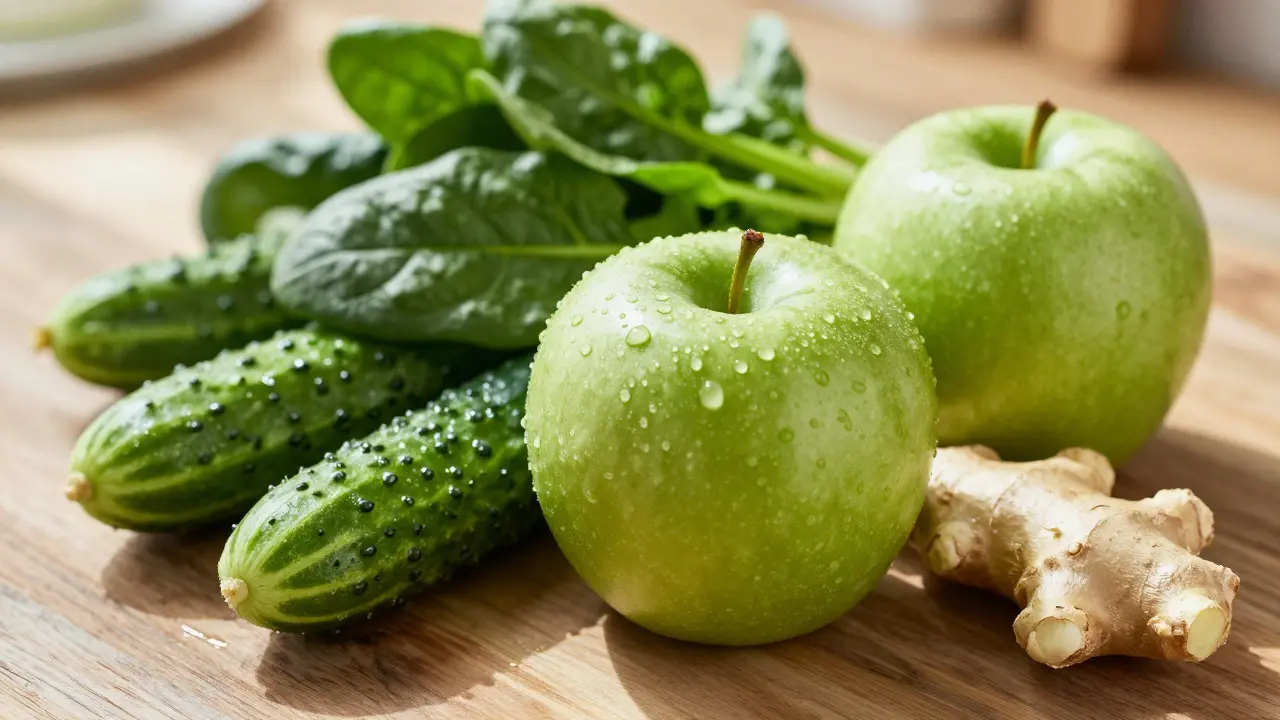
- 2 cups spinach leaves
- 1 large cucumber, peeled
- 2 green apples (Granny Smith)
- 1 inch fresh ginger root
- Juice of 1 lemon
Why it works: Spinach provides iron and magnesium without overpowering the taste. Cucumber adds silica and hydration. Ginger aids digestion and reduces bloating. Lemon balances pH and adds vitamin C.
2. Citrus Immunity Boost
Perfect for early mornings when you need a gentle wake-up call.
- 3 oranges, peeled
- 1 carrot, peeled
- 1 inch turmeric root
- A pinch of black pepper
- Optional: 1 tbsp honey
Why it works: Oranges deliver vitamin C and folate. Carrots add beta-carotene for skin health. Turmeric contains curcumin, an anti-inflammatory compound that absorbs better with black pepper. This combo supports immune function naturally.
3. Berry Antioxidant Blast
Sweet, vibrant, and packed with compounds that fight oxidative stress.
- 1 cup mixed berries (strawberries, blueberries, raspberries)
- 1 banana (frozen for thickness)
- 1 cup unsweetened almond milk
- 1 tbsp chia seeds
Note: This is a blended smoothie, not a strained juice. The fiber stays intact, making it more filling. Chia seeds add omega-3 fatty acids and protein.
4. Watermelon Mint Cooler
The ultimate post-workout or beach-day refresher.
- 2 cups watermelon chunks
- Handful of fresh mint leaves
- Juice of 1 lime
- Ice cubes
Why it works: Watermelon is 92% water and rich in lycopene, an antioxidant linked to heart health. Mint soothes the digestive tract and adds a cooling sensation. Lime enhances absorption of iron from other foods eaten later.
5. Golden Root Recovery
For sore muscles and inflammation after intense activity.
- 1 pineapple chunk (fresh, not canned)
- 1 inch ginger root
- 1 inch turmeric root
- 1 cup coconut water
Why it works: Pineapple contains bromelain, an enzyme that reduces swelling and aids protein digestion. Coconut water replenishes electrolytes lost through sweat. Ginger and turmeric work synergistically to calm inflammation.
| Recipe Name | Main Benefits | Best Time to Drink | Fiber Content |
|---|---|---|---|
| Green Glow Detox | Detoxification, Energy | Mid-afternoon | Low (strained) |
| Citrus Immunity Boost | Immune Support, Skin Health | Morning | Low (strained) |
| Berry Antioxidant Blast | Antioxidants, Satiety | Breakfast or Snack | High (blended) |
| Watermelon Mint Cooler | Hydration, Cooling | Post-Workout | Medium (blended) |
| Golden Root Recovery | Anti-Inflammatory, Electrolytes | Evening | Low (strained) |
Ingredient Deep Dive: What Goes Into Your Glass
Understanding why certain ingredients work together makes juicing less guesswork and more science. Here’s a breakdown of core components:
Cucumber is a low-calorie vegetable composed of 96% water, rich in silica and potassium. It’s the backbone of most green juices because it dilutes sugar concentration while adding volume and hydration.
Ginger root contains gingerol, a bioactive compound with potent anti-inflammatory and antioxidant properties. Even small amounts (1-2 inches) can significantly enhance flavor and digestive comfort.
Turmeric provides curcumin, which targets chronic inflammation at the cellular level. Always pair it with black pepper to increase bioavailability by up to 2,000%.
Lemon offers citric acid and vitamin C, which aid iron absorption and alkalize the body despite its acidic taste. It also acts as a natural preservative, slowing oxidation in freshly made juice.
Coconut water is a natural source of electrolytes including potassium, magnesium, and sodium. Unlike sports drinks, it contains no added sugars or artificial colors.
Pro Tips for Maximum Nutrition and Flavor
Making juice is easy. Making it *effective* requires a few adjustments. Follow these guidelines to get the most out of every glass:
- Drink Immediately: Fresh juice begins oxidizing the moment it’s extracted. Nutrient loss accelerates after 15-20 minutes. If you must store it, use an airtight glass container filled to the brim (to minimize air exposure) and refrigerate for no more than 24 hours.
- Balance Sweet and Savory: Never juice fruit alone. Pair each piece of fruit with two parts vegetable. This keeps blood sugar stable and prevents energy crashes.
- Use Organic When Possible: The "Dirty Dozen" list (from EWG) includes strawberries, spinach, and apples-common juicing ingredients. These tend to have higher pesticide residues. Washing helps, but organic reduces chemical load.
- Add Healthy Fats: Fat-soluble vitamins (A, D, E, K) need fat for absorption. Add a teaspoon of flaxseed oil, hemp seeds, or avocado to your juice to boost nutrient uptake.
- Listen to Your Body: If you feel jittery or bloated after juicing, you may be consuming too much sugar or not enough fiber. Switch to blended smoothies or reduce fruit content.
Troubleshooting Common Issues
Even experienced juicers run into problems. Here’s how to fix them:
Problem: Juice tastes bitter.
Solution: Bitterness often comes from overusing kale, dandelion greens, or grapefruit. Counteract it with sweeter elements like pear, mango, or a dash of maple syrup. Also, remove stems and tough veins from leafy greens before juicing.
Problem: Juice separates quickly.
Solution: Separation is natural-it’s the pulp settling. Shake well before drinking. To slow separation, add a stabilizer like pectin-rich apples or a small amount of xanthan gum (optional).
Problem: Digestive discomfort.
Solution: Too much raw fiber or certain cruciferous vegetables (like broccoli or cabbage) can cause gas. Start with smaller portions and gradually increase. Adding ginger or fennel seed can ease digestion.
Problem: Loss of appetite.
Solution: Juice alone isn’t a meal replacement unless carefully formulated. If you’re skipping meals, ensure your juice includes protein (via hemp seeds, collagen peptides, or Greek yogurt) and healthy fats to promote satiety.
Next Steps: Building a Sustainable Juicing Routine
Start small. Pick one recipe from above and make it three times a week. Notice how you feel-energy levels, digestion, skin clarity. Adjust based on feedback. Don’t force yourself to drink green sludge if you hate it. Experiment with flavors until you find combinations you genuinely enjoy.
As you become more confident, explore seasonal variations. In winter, switch to warming spices like cinnamon and cardamom. In spring, focus on liver-supportive ingredients like beetroot and artichoke. Juicing should evolve with your needs, not dictate them.
Remember, consistency beats intensity. One glass a day, made thoughtfully, will serve you better than seven glasses made hastily. Your body thrives on rhythm, not extremes.
Can I drink juice every day?
Yes, but balance is key. Aim for 1-2 glasses daily, ensuring they complement-not replace-whole food meals. Rotate recipes to avoid excessive sugar intake and maximize nutrient diversity.
Is cold-pressed juice worth the extra cost?
If you prioritize nutrient retention and convenience, yes. Cold-pressed methods preserve enzymes and vitamins better than centrifugal juicers. However, homemade blends are cheaper and equally beneficial if consumed immediately.
Should I strain my juice?
Straining removes fiber, making nutrients easier to absorb but reducing satiety. Keep fiber if you’re using juice as a meal replacement or snack. Strain if you want a lighter, faster-digesting drink.
What’s the best time to drink health juice?
Morning on an empty stomach maximizes nutrient absorption. Mid-afternoon combats energy slumps. Avoid late evening if caffeine-sensitive (though most juices are caffeine-free). Listen to your body’s response.
How long can I store fresh juice?
Ideally, drink within 15-20 minutes. If stored, keep in an airtight glass container in the fridge for up to 24 hours. Beyond that, nutrient degradation and bacterial growth risk increase significantly.
Can juice help with weight loss?
Indirectly, yes. Replacing high-calorie snacks with low-calorie, nutrient-dense juice can create a calorie deficit. However, juice alone won’t cause weight loss without overall dietary changes and physical activity.
Are there risks to juicing?
Overconsumption can lead to blood sugar spikes, digestive issues, or nutrient imbalances. People with diabetes, kidney conditions, or those on medication should consult a healthcare provider before starting a regular juicing routine.