Picture this: it’s 7:30 AM in Adelaide. The sun is just cresting over the hills, and you’re standing in your kitchen, staring at a cupboard full of stale crackers or a fridge that screams “takeout.” You grab a sugary cereal box because it’s fast, but by 10:30, you’re hitting a wall. Your energy crashes, your brain feels foggy, and you reach for another coffee just to stay upright. Sound familiar? You aren’t alone. Most of us treat breakfast like an afterthought, but what you eat in those first few hours sets the tone for your entire day. It’s not about strict diets or expensive superfoods. It’s about fueling your body with the right mix of nutrients so you can actually function.
We’ve all heard the old saying that breakfast is the most important meal of the day. But why does it matter so much? After sleeping for eight hours, your body has been running on empty. Your blood sugar levels are low, and your muscles need glycogen to get moving. Skipping breakfast or grabbing something processed sends shockwaves through your metabolism. You end up overeating later, feeling sluggish, and struggling to concentrate. The goal here isn’t perfection; it’s consistency. Let’s look at some real, doable ways to start your morning right without spending hours in the kitchen.
The Science Behind a Good Morning Meal
To understand what makes a breakfast "healthy," we need to look at three key players: Protein is a macronutrient that helps build and repair tissues while keeping you full longer., Fiber is a type of carbohydrate that aids digestion and stabilizes blood sugar levels., and Healthy Fats are nutrients that support brain function and provide sustained energy.. When you combine these three, you create a metabolic buffer. Instead of a spike and crash in blood sugar, you get a slow, steady release of energy.
Think about it this way. If you eat plain white toast, your body converts that simple carbohydrate into glucose almost instantly. Your pancreas releases insulin to manage the surge, which quickly drops your blood sugar again, leaving you hungry and tired within an hour. Now, imagine adding eggs (protein) and avocado (healthy fat) to that toast. The protein slows down digestion, and the fat further delays gastric emptying. This means you stay satisfied until lunch. It’s basic biology, but it’s often overlooked. Your body doesn’t just need calories; it needs the right structure of nutrients to perform optimally.
Top Protein-Packed Breakfasts for Sustained Energy
If you want to feel alert and focused, prioritize protein. Here are three reliable options that work well whether you have ten minutes or thirty.
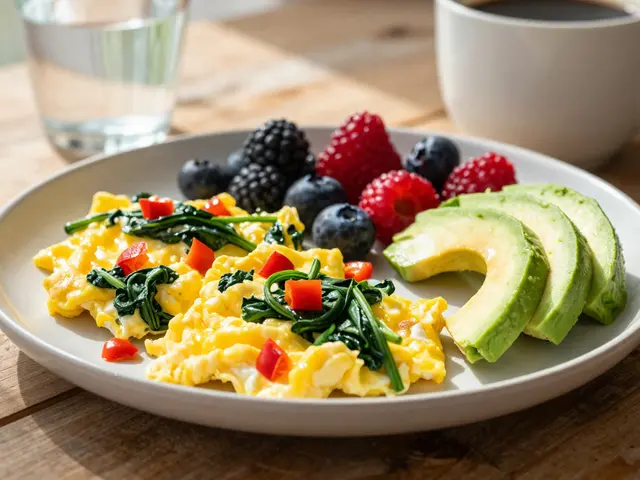
- Scrambled Eggs with Spinach: Eggs are a complete protein source, meaning they contain all nine essential amino acids your body can’t make on its own. Add a handful of spinach for iron and folate. Cook them in a little olive oil for heart-healthy fats. This combo takes five minutes and keeps you full for hours.
- Greek Yogurt Parfait: Look for plain, unsweetened Greek yogurt. It has nearly double the protein of regular yogurt. Layer it with berries (for antioxidants) and a sprinkle of chia seeds or walnuts. The texture contrast makes it satisfying, and the probiotics support gut health, which is linked to better mood and immunity.
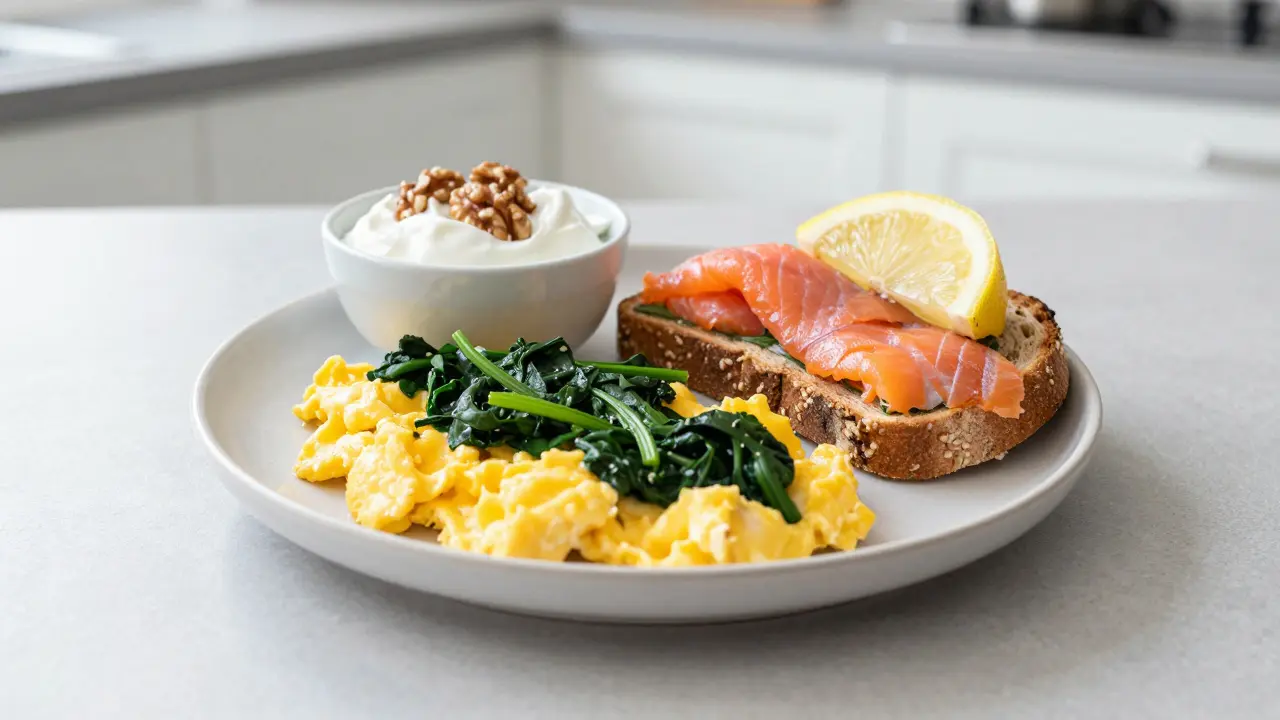
- Smoked Salmon on Whole Grain Toast: Salmon is rich in omega-3 fatty acids, which are crucial for brain health. Pair it with a slice of dense whole grain bread. The fiber in the bread works with the protein in the fish to keep your energy stable. Add a squeeze of lemon for vitamin C, which helps absorb the iron from any greens you might add.
These options aren’t just about filling your stomach. They’re about providing the building blocks your brain needs to tackle meetings, emails, or household chores without burning out. If you’re lactose intolerant, swap the yogurt for tofu scramble. If you don’t eat fish, try canned sardines on toast-they’re cheap, sustainable, and packed with calcium if you eat the bones.
Fiber-Rich Choices for Digestive Health
Fiber is often the missing link in modern breakfasts. Most people aim for 25 grams of fiber a day, but many barely hit 10. Starting your day with high-fiber foods jumpstarts your digestive system and feeds the good bacteria in your gut. A healthy gut microbiome is connected to everything from weight management to mental clarity.
| Food Item | Serving Size | Fiber (grams) |
|---|---|---|
| Oats (rolled) | 1 cup cooked | 4g |
| Berries (mixed) | 1 cup | 3.6g |
| Chia Seeds | 2 tablespoons | 10g |
| Whole Wheat Bread | 1 slice | 2g |
| Avocado | 1/2 medium | 5g |
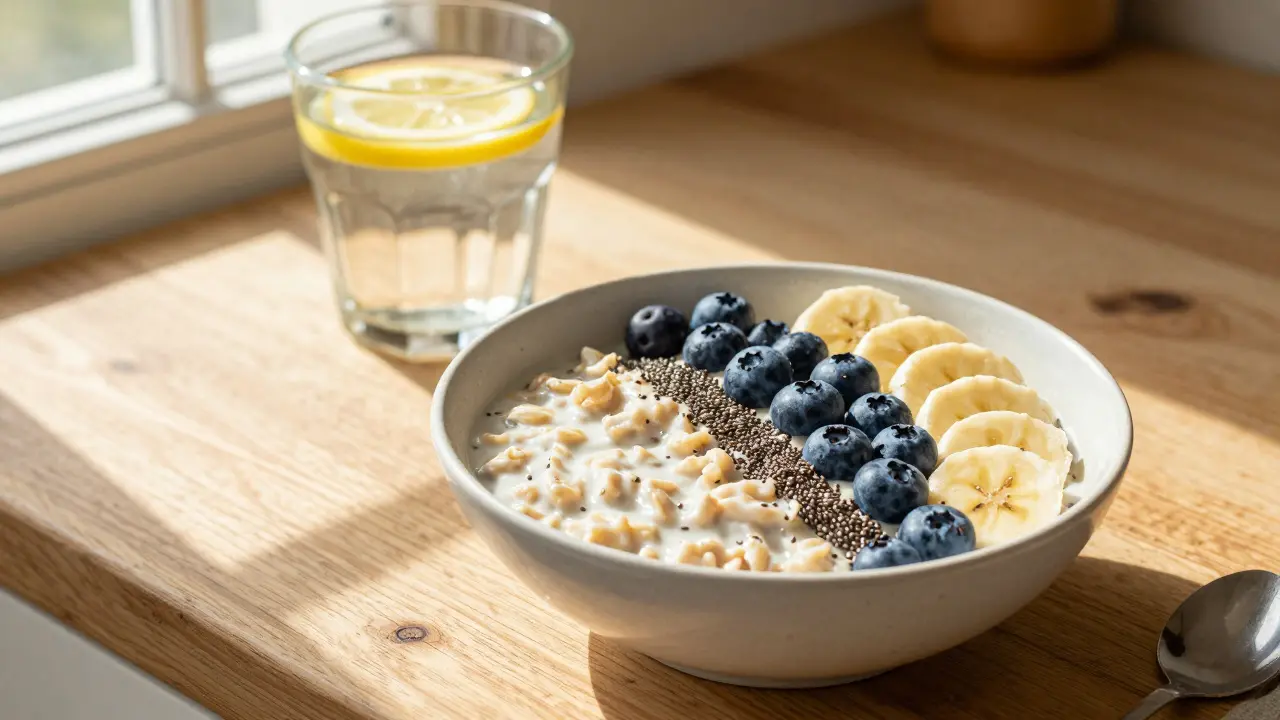
Notice how chia seeds pack a punch? Just two tablespoons give you 40% of your daily fiber requirement. Try making overnight oats. Mix rolled oats, milk (dairy or plant-based), chia seeds, and a dash of cinnamon. Leave it in the fridge overnight. In the morning, you have a creamy, pudding-like breakfast that requires zero cooking. Add sliced banana for potassium, which helps regulate blood pressure. This method saves time and ensures you’re getting complex carbohydrates that digest slowly, preventing mid-morning hunger pangs.
Quick Fixes for Busy Mornings
Let’s be honest. Some days, you just don’t have time to cook. That’s okay. Preparation is key. Here are some strategies to keep things simple without sacrificing nutrition.
- Pre-Chop Veggies: Wash and chop bell peppers, cucumbers, or carrots on Sunday. Store them in containers. In the morning, toss them into a smoothie or eat them with hummus while you sip your coffee.
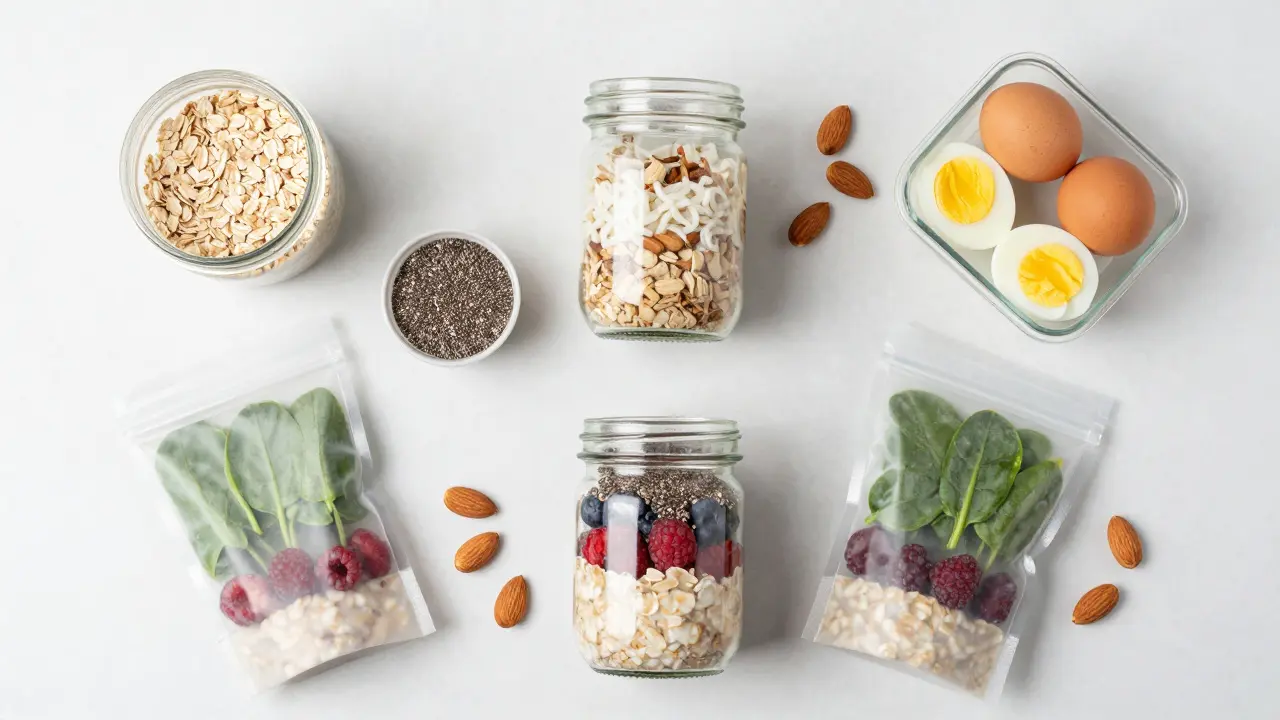
- Freeze Smoothie Packs: Blend fruit, spinach, and protein powder, then pour into ice cube trays. Once frozen, dump the cubes into a bag. In the morning, throw the bag into your blender with liquid and blend. No measuring, no washing extra bowls.
- Hard-Boiled Eggs: Boil a dozen eggs at once. Keep them in the fridge. Grab two, peel them, and go. They’re portable, shelf-stable enough for a brief trip to work, and incredibly versatile.
Convenience shouldn’t mean compromise. Avoid pre-packaged granola bars that are essentially candy bars in disguise. Check the label. If sugar is the first ingredient, put it back. Instead, look for bars where nuts, seeds, or oats are listed first. Or better yet, make your own energy balls using dates, almonds, and cocoa powder. They taste indulgent but provide steady energy from natural sugars and healthy fats.
Hydration: The Overlooked Ingredient
You lose water while you sleep through breathing and sweat. By the time you wake up, you’re mildly dehydrated. Dehydration causes fatigue, headaches, and poor concentration-symptoms often mistaken for hunger. Before you eat anything, drink a large glass of water. Add a slice of lemon or cucumber if you want flavor. This rehydrates your cells and kickstarts your metabolism.
Coffee is fine, but it’s a diuretic, meaning it can increase fluid loss. Don’t rely on it as your primary source of hydration. Aim for at least 500ml of water before your first cup of joe. Herbal teas count too. Peppermint tea can soothe the stomach, while ginger tea aids digestion. Making hydration a ritual rather than an afterthought changes how you feel physically and mentally throughout the morning.
Common Mistakes to Avoid
Even with good intentions, it’s easy to slip into bad habits. Here are pitfalls to watch out for.
- Relying on Fruit Juice: Orange juice looks healthy, but it’s mostly sugar without the fiber. One glass can have as much sugar as a soda. Eat the fruit instead. The fiber slows sugar absorption and provides satiety.
- Skipping Breakfast Entirely: Intermittent fasting works for some, but for most people, skipping breakfast leads to overeating at lunch. If you’re not hungry in the morning, try a small snack like a piece of fruit or a handful of nuts. It’s better than nothing.
- Ignoring Hunger Cues: Don’t force yourself to eat if you’re not hungry, but listen to your body. If you’re constantly hungry by 10 AM, your breakfast likely lacked protein or fiber. Adjust accordingly.
Remember, there’s no one-size-fits-all solution. What works for your neighbor might not work for you. Experiment with different combinations. Pay attention to how you feel two hours after eating. Do you have energy? Are you distracted? Use that feedback to refine your routine. Consistency beats perfection every time.
What is the best breakfast for weight loss?
The best breakfast for weight loss is one high in protein and fiber. These nutrients increase satiety, reducing the likelihood of snacking later in the day. Examples include egg whites with vegetables, Greek yogurt with berries, or a smoothie with protein powder and spinach. Avoid high-sugar cereals and pastries, which cause insulin spikes and cravings.
Can I skip breakfast if I’m not hungry?
Yes, if you practice intermittent fasting and feel fine without food. However, for most people, skipping breakfast leads to overeating later. If you’re not hungry, try a light snack like a piece of fruit or a small handful of nuts to maintain blood sugar stability without feeling stuffed.
How much protein should I have for breakfast?
Aim for 15-20 grams of protein per meal. This amount is sufficient to stimulate muscle protein synthesis and promote fullness. Two eggs provide about 12 grams, while a cup of Greek yogurt offers around 15 grams. Combine sources if needed, such as adding nuts to oatmeal.
Is oatmeal a healthy breakfast option?
Yes, especially rolled or steel-cut oats. They are high in soluble fiber, which lowers cholesterol and stabilizes blood sugar. Instant oatmeal packets often contain added sugar and preservatives, so check labels. Enhance plain oats with protein powder, nuts, or seeds for a more balanced meal.
What should I avoid eating for breakfast?
Avoid refined carbohydrates like white toast, sugary cereals, and pastries. These cause rapid spikes in blood sugar followed by crashes, leading to fatigue and hunger. Also limit fruit juices and high-sugar yogurts. Focus on whole, minimally processed foods instead.