What if drawing a picture, moving to music, or acting out a scene could help you heal? Not as a distraction, but as real therapy? Creative arts therapies aren’t just hobbies with a nice vibe-they’re evidence-based practices used in hospitals, schools, and private clinics around the world. And they’re not for ‘artistic’ people only. You don’t need to be good at painting or dancing. You just need to be willing to express what words can’t say.
What Exactly Are Creative Arts Therapies?
Creative arts therapies are clinical interventions that use art, music, dance, drama, and writing to help people process emotions, reduce stress, and rebuild a sense of control. These therapies are led by trained professionals-certified art therapists, music therapists, dance/movement therapists, and drama therapists-who combine psychological theory with artistic practice.
Unlike traditional talk therapy, where words are the main tool, creative arts therapies work through sensory and symbolic expression. When someone is too overwhelmed to speak, they might pick up a brush. When grief feels too heavy for sentences, they might move their body to a slow song. The artwork, the movement, the sound-it becomes the language.
These approaches are backed by research. A 2023 meta-analysis of 47 studies found that art therapy significantly reduced symptoms of anxiety and depression in adults, with effects lasting beyond the end of treatment. Music therapy has been shown to lower cortisol levels in people with PTSD. Dance therapy improved body awareness and emotional regulation in survivors of domestic violence.
How Art Therapy Works
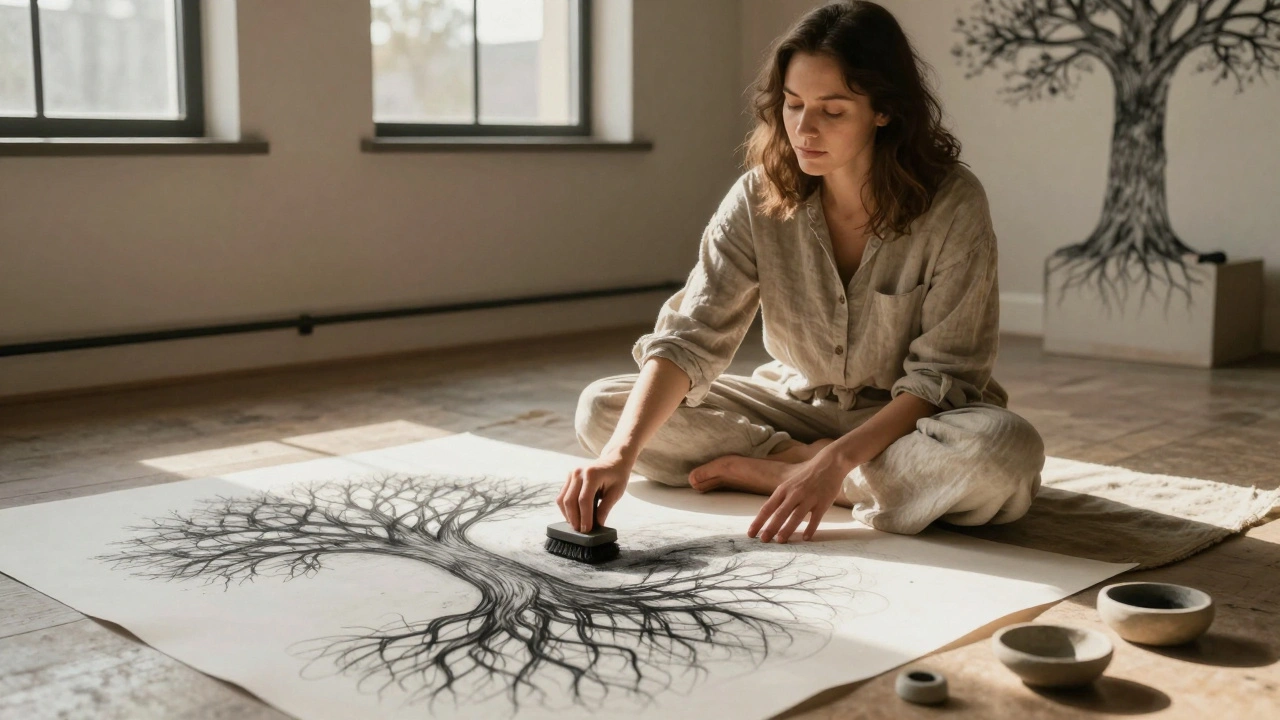
Art therapy doesn’t involve teaching techniques or critiquing skill. There’s no right or wrong way to draw a feeling. A therapist might ask, ‘What color would your anger be?’ or ‘Can you make a shape that represents your worry?’ Then they sit with you while you create. The process itself-choosing materials, making marks, changing the image-is where healing happens.
One woman in Melbourne, recovering from a stroke, couldn’t speak clearly anymore. Her art therapist gave her charcoal and paper. Over weeks, she drew swirling lines, then faces, then a tree with deep roots. She never said ‘I feel lost’ out loud. But the tree? Her therapist knew. That drawing became a starting point for conversations about safety, strength, and recovery.
Art therapy is used for children with autism, veterans with trauma, people with dementia, and those facing terminal illness. The goal isn’t to make a masterpiece. It’s to make sense of what’s inside.
Music Therapy: More Than Just Listening
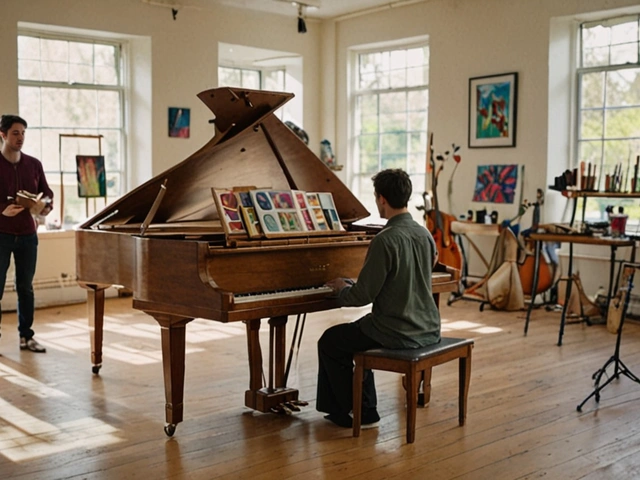
Music therapy isn’t about playing Spotify playlists or attending concerts. It’s active. A therapist might guide you to play a drum to match your heartbeat, improvise on a keyboard to express anger, or write lyrics about a memory you’ve avoided.
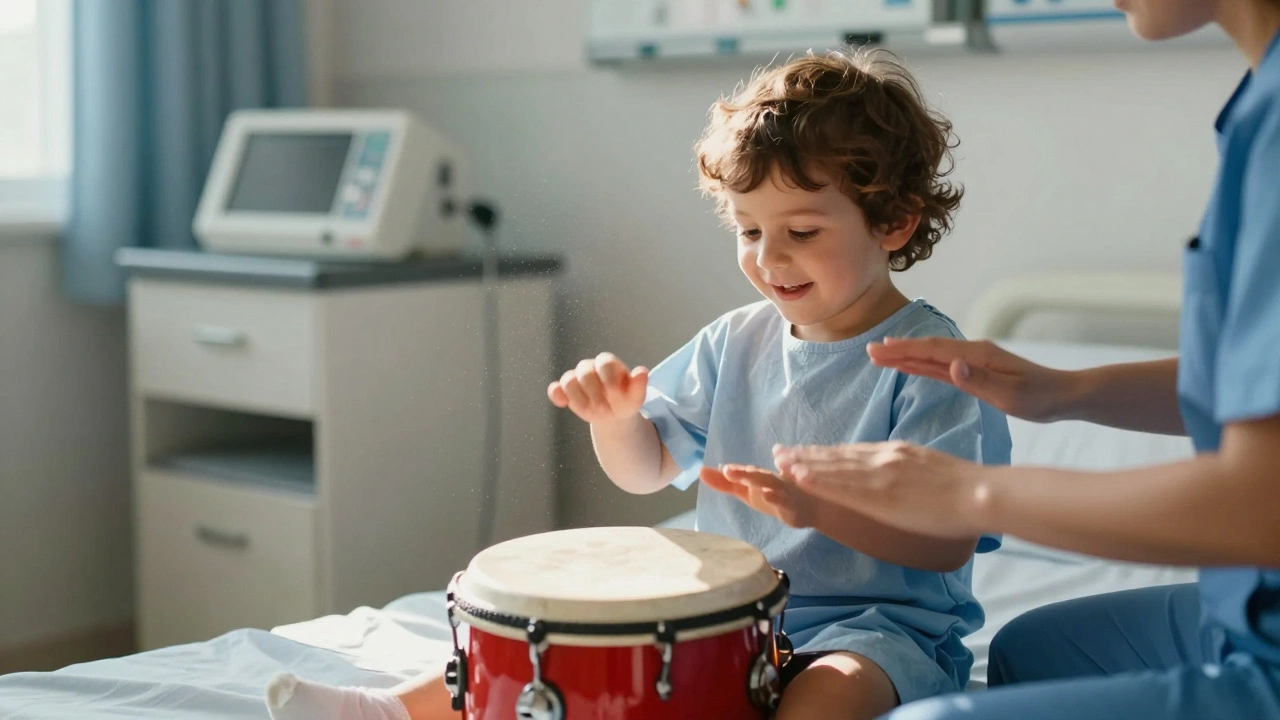
In pediatric oncology units, music therapists use rhythm to help kids cope with pain. One child, five years old, would scream during IV insertions. His therapist brought in a small drum. They’d drum together-fast when the needle went in, slow when it was over. Over time, the child began to drum before the procedure. He was in control. The music gave him power.
For people with Alzheimer’s, familiar songs can unlock memories long after words are gone. A 2024 study in Sydney found that patients who participated in weekly music sessions showed improved mood and reduced agitation, even when they couldn’t remember their own children’s names.
Dance and Movement Therapy: Healing Through the Body
Most of us think of dance as performance. Dance/movement therapy sees it as communication. Your body holds tension, grief, joy, and fear-even when your mind won’t let you name them.
A therapist might ask, ‘How does your shoulder feel today?’ and then invite you to move it slowly, without judgment. You might find yourself rocking, stretching, or freezing. That’s okay. The therapist doesn’t correct you. They reflect: ‘I noticed you pulled back when I mentioned your father. What did that movement want to say?’
This approach helps people with eating disorders reconnect with their bodies. It helps trauma survivors feel safe in their skin again. It helps teens who feel invisible find their physical voice.
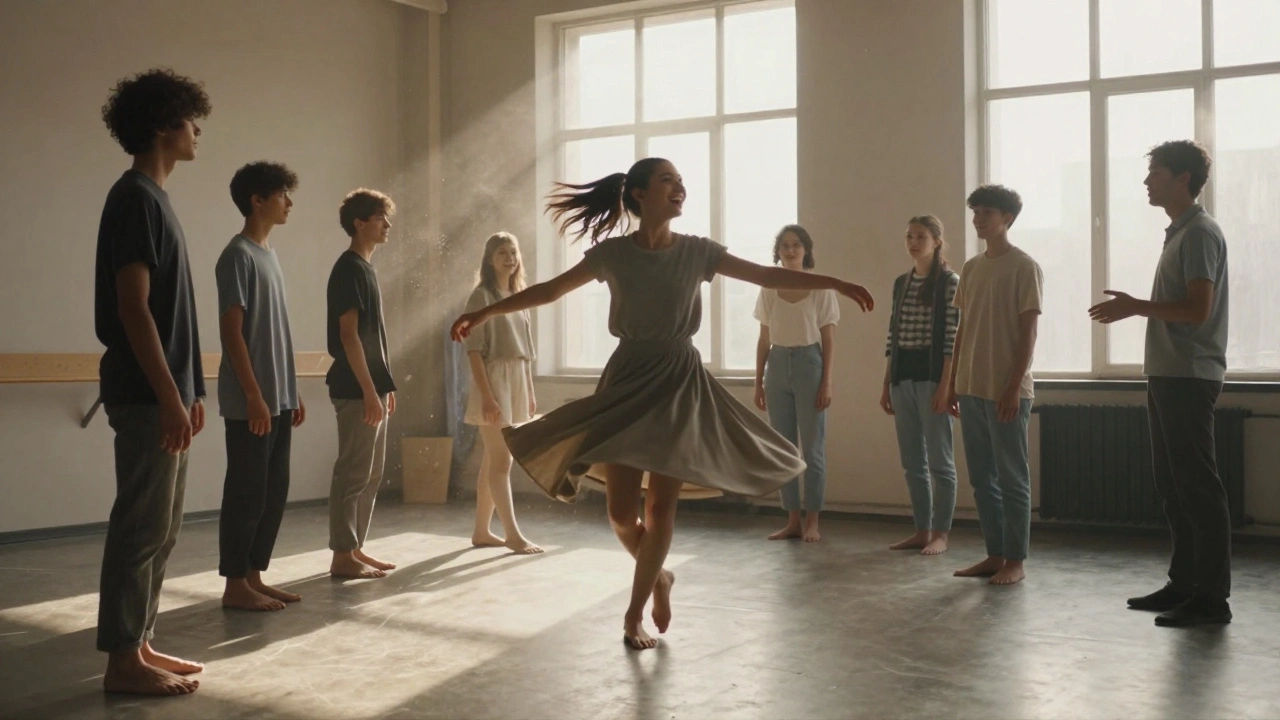
In Adelaide, a group of refugee teens joined a dance therapy program. Many had lived through war. At first, they stood still. After six weeks, one girl began to spin-slowly, then faster, then laughing. She told her therapist, ‘I felt like I could breathe again.’
Drama Therapy: Acting Out What You Can’t Say
Drama therapy uses role-play, storytelling, and improvisation to explore inner worlds. You might play a version of yourself, a family member, or even an emotion like ‘shame’ or ‘hope’ as a character.
One man in his 50s, struggling with addiction, couldn’t talk about his childhood abuse. In drama therapy, he became a knight guarding a castle. The castle was his mind. The dragon? His father. Through the role, he started to speak-not as himself, but as the knight. That’s when real change began.
Drama therapy is used in prisons, schools, and mental health clinics. It helps people practice new ways of being. You don’t have to be a good actor. You just have to be willing to try on another perspective.
Who Can Benefit?
Creative arts therapies aren’t limited to one group. They work for:
- Children with developmental delays or behavioral challenges
- Adults dealing with anxiety, depression, or trauma
- People with chronic illness or pain
- Those recovering from addiction
- Seniors with dementia or loneliness
- Survivors of violence or displacement
- Anyone who feels stuck, numb, or unheard
You don’t need a diagnosis. You don’t need to believe in ‘energy’ or ‘spirituality.’ You just need to feel something you can’t put into words-and be open to expressing it differently.
What Happens in a Session?
Each session is different, but here’s a general flow:
- You check in-how you’re feeling today, physically and emotionally.
- You choose an art form: clay, paint, instrument, movement, or role-play.
- You create freely-no instructions, no pressure to ‘do it right.’
- You and the therapist reflect on what emerged: What did you notice? What did the material do? What surprised you?
- You decide if you want to continue next week.
There’s no homework. No assignments. No expectation to ‘get better.’ Just presence, curiosity, and safety.
How to Find a Qualified Therapist
Not everyone who calls themselves an ‘art therapist’ is certified. Look for credentials:
- Registered Art Therapist (ATR) or Board-Certified Art Therapist (ATR-BC) in the U.S.
- Registered Creative Arts Therapist (RCAT) in Australia
- Music Therapist-Board Certified (MT-BC)
- Registered Dance/Movement Therapist (R-DMT)
In Australia, the Australian Music Therapy Association and the Australian Art Therapy Association maintain public registers. Hospitals, mental health centers, and private practices often list certified therapists. Start with your GP or mental health provider-they can refer you.
What to Expect the First Time
It’s normal to feel awkward. You might think, ‘I’m not creative.’ That’s exactly why this works. Creativity here isn’t about talent-it’s about honesty.
Some people cry. Some laugh. Some sit in silence for the whole session. All of it is valid. The therapist isn’t judging your art-they’re listening to what it reveals.
After the first session, you might feel tired. Or empty. Or strangely lighter. That’s part of the process. You’ve touched something deep. It takes time to integrate.
Why This Matters Now
More than ever, people are seeking alternatives to medication and talk therapy. The mental health system is stretched thin. Creative arts therapies offer a way in when words fail. They’re low-cost, non-invasive, and deeply human.
In Australia, public hospitals in Melbourne and Sydney now offer music and art therapy as part of standard mental health care. Schools are adding drama therapy for students with trauma. Even workplaces are beginning to pilot creative sessions for burnout.
This isn’t a trend. It’s a return to something ancient: humans have always used rhythm, color, movement, and story to heal. What’s new is the science behind it-and the growing recognition that healing doesn’t always come from talking. Sometimes, it comes from making.
Do I need to be artistic to benefit from creative arts therapies?
No. Creative arts therapies aren’t about skill, talent, or producing something beautiful. They’re about using creative expression to access emotions that are hard to put into words. Whether you’ve never held a paintbrush or haven’t danced since high school, you can still benefit. The focus is on your inner experience, not the final product.
Are creative arts therapies backed by science?
Yes. Hundreds of peer-reviewed studies show that art, music, dance, and drama therapies reduce symptoms of anxiety, depression, PTSD, and chronic pain. Organizations like the American Art Therapy Association and the World Federation of Music Therapy publish clinical guidelines based on this research. These therapies are now integrated into hospitals, schools, and rehabilitation centers worldwide.
How long does it take to see results?
Some people feel a shift after one session-often a sense of relief or being heard. For deeper issues like trauma or chronic mental health conditions, therapy typically lasts 8 to 20 sessions. Progress isn’t always linear. Sometimes, you feel worse before you feel better, because you’re touching difficult emotions. That’s normal. Your therapist will help you pace the work.
Can creative arts therapies replace medication or talk therapy?
They can complement them-but rarely replace them entirely. Many people use creative arts therapies alongside counseling, medication, or other treatments. For some, especially those who struggle with verbal communication, these therapies become the main form of support. The best approach depends on your needs, preferences, and the guidance of your healthcare team.
Is creative arts therapy covered by insurance?
In Australia, some private health funds cover registered creative arts therapists under ‘extras’ policies. Medicare doesn’t currently fund these therapies directly, but they may be included in a Mental Health Treatment Plan if referred by a GP. In the U.S., some insurance plans cover certified music or art therapists. Always check with your provider and ask for the therapist’s credentials before booking.