
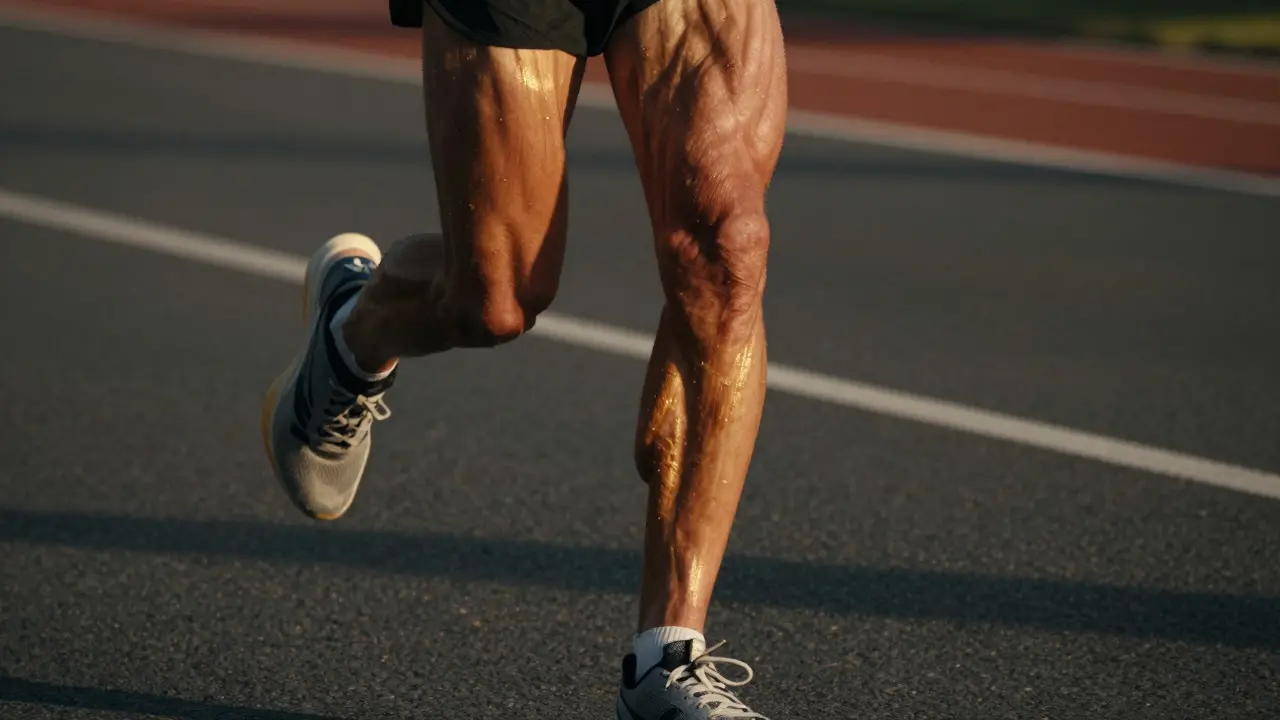
Quick Takeaways for Athletes
- Recovery Speed: Flushes metabolic waste and reduces muscle soreness (DOMS).
- Injury Shield: Identifies tight spots before they become tears or strains.
- Mobility Boost: Breaks down adhesions in the fascia to increase range of motion.
- Psychological Edge: Lowers cortisol levels to reduce pre-competition anxiety.
The Science of Soft Tissue Recovery
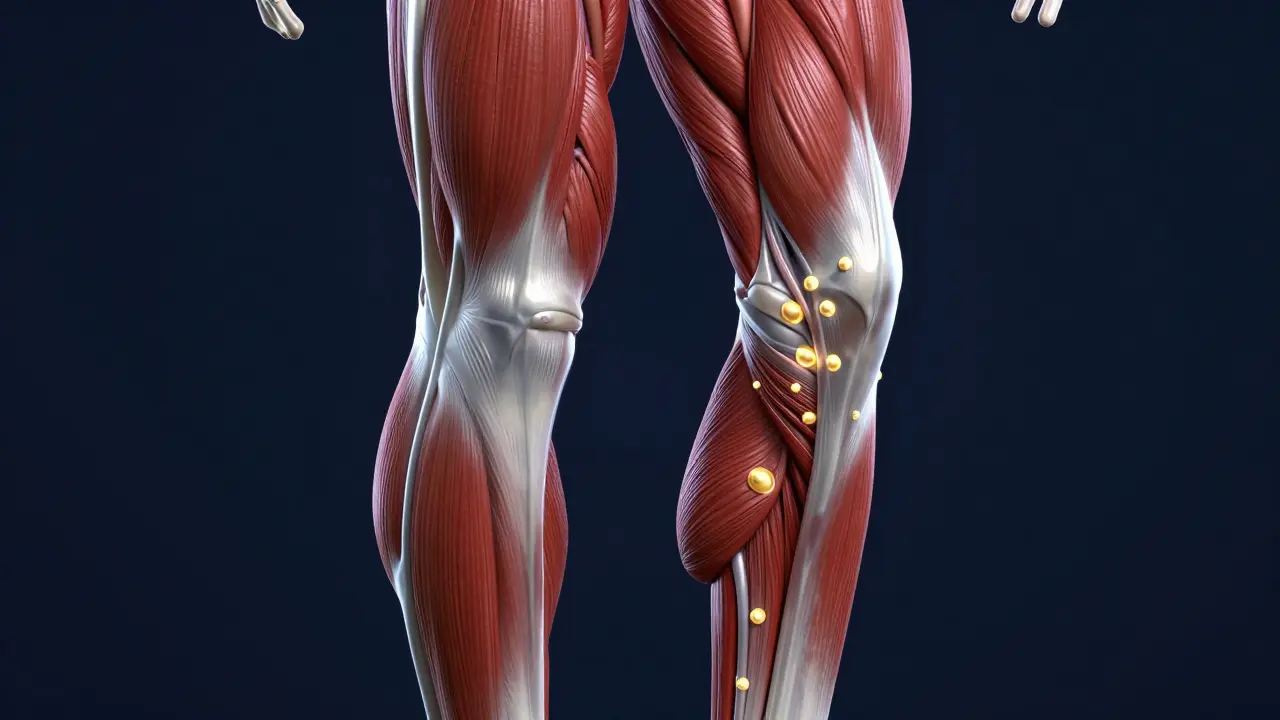
When you train hard, you create microscopic tears in your muscle fibers. This is a normal part of growth, but if those fibers heal haphazardly, they create "knots" or adhesions. These aren't actually knots in the thread sense; they are areas where the Fascia-the connective tissue wrapping your muscles-has become thick and sticky. This limits your glide and forces other muscles to overcompensate, which is exactly how overuse injuries happen.
A skilled therapist uses deep pressure to manipulate these tissues. By increasing local blood flow, the massage brings fresh oxygen and nutrients to the damaged area while helping the lymphatic system clear out lactate and other waste products. For instance, an athlete who regularly utilizes Myofascial Release typically experiences a faster return to baseline strength after a heavy lifting session compared to those who only rely on passive rest.
Different Strokes for Different Goals
Not every massage session should feel the same. Depending on where you are in your training cycle, your therapist should be adjusting their technique. A deep-tissue session the night before a championship race is a recipe for disaster; you'll wake up sore and sluggish. Instead, the approach should match the athletic phase.
| Phase | Primary Goal | Technique Used | Timing |
|---|---|---|---|
| Pre-Event | Activation & Warm-up | Fast, rhythmic stroking; light stretching | 30-60 mins before event |
| Post-Event | Waste removal & Cooling | Light flushing; gentle compression | Immediately after (within 24h) |
| Maintenance | Prevention & Alignment | Deep tissue; Trigger point therapy | Weekly or bi-weekly |
| Rehabilitation | Healing & Scar tissue break-up | Cross-fiber friction; targeted mobilization | During injury recovery phase |
Breaking Down the Most Effective Techniques
To get the most out of your sessions, it helps to know what's actually happening on the table. You'll likely encounter Trigger Point Therapy, where the therapist applies concentrated pressure to a hyper-irritable spot in the muscle. This can cause "referred pain," where you feel a sensation in a different part of the body-like pressing a spot in your shoulder that makes your wrist tingle. This is a key way therapists find the root cause of a limitation.
Then there is Effleurage, the long, gliding strokes you often see. While it looks relaxing, in a sports context, it's used to move fluid toward the heart, reducing edema (swelling) after a grueling workout. For those dealing with chronic stiffness, cross-fiber friction is the gold standard. This involves rubbing across the grain of the muscle fiber to break up scar tissue, which is essential for anyone recovering from a ligament sprain or a muscle pull.
Integrating Massage into Your Training Calendar
If you treat massage as an "emergency only" service, you're missing the point. The real magic happens when it's a consistent part of your routine. Think of it like brushing your teeth; you don't wait for a cavity to start brushing. Regular maintenance prevents the "cavities" of the musculoskeletal system.
For a serious athlete, a weekly or bi-weekly schedule is ideal. During the off-season, focus on deep structural work to fix imbalances. As you move into the pre-competition phase, shift toward mobility and maintenance. During the peak of your season, focus on recovery and lymphatic drainage. If you're training for a specific event, like a triathlon, your needs will shift from heavy leg work during the base phase to more focused upper-body and shoulder work as you ramp up the swimming volume.
Common Pitfalls to Avoid
One of the biggest mistakes athletes make is believing that "no pain, no gain" applies to massage. While some discomfort is expected during deep tissue work, you shouldn't be fighting the therapist or holding your breath. If you tense up, the therapist can't reach the deeper layers of the muscle, and you might actually cause more inflammation.
Another error is neglecting hydration. Massage releases metabolic waste into your bloodstream. If you're dehydrated, your kidneys have to work harder to filter those toxins, which can lead to a "massage hangover"-feeling flu-like, lethargic, or having a headache the next day. Drink a full glass of water before and after your session to keep the process smooth.

The Psychological Edge: More Than Just Physical
We often focus on the bicep or the quad, but the nervous system is the real boss. Constant high-intensity training puts your body in a state of sympathetic dominance-the "fight or flight" mode. This keeps your cortisol levels high, which can actually inhibit muscle growth and sleep quality.
A professional sports massage triggers the parasympathetic nervous system, telling your brain that it's safe to relax. This shift is critical for sleep. When you enter a deeper state of REM and slow-wave sleep, your body releases the highest concentrations of growth hormone. By calming the nervous system through touch, you're effectively hacking your own biology to recover faster overnight.
Will a sports massage make me sore?
Yes, it's common to feel some tenderness for 24 to 48 hours after a deep tissue or maintenance session. This is similar to the feeling after a workout because the therapist is essentially "working out" your muscles by manipulating the fibers. However, this should be a dull ache, not a sharp pain.
How often should a serious athlete get a sports massage?
Most high-performance athletes benefit from a session every 1 to 2 weeks. During periods of intense training or competition, you might increase this to twice a week, focusing more on light recovery and flushing rather than deep structural work.
Can I get a massage if I'm currently injured?
It depends on the injury. For acute injuries (like a fresh tear or a break), you should avoid the area until a doctor clears you. However, for chronic injuries or the rehabilitation phase, a sports massage therapist can use specialized techniques to break up scar tissue and improve blood flow to the injured area.
Is foam rolling a good substitute for a professional massage?
Foam rolling is a great tool for daily maintenance and temporary relief, but it cannot replace a therapist. A professional can feel a knot that you can't reach, apply specific pressure angles, and identify postural imbalances that a piece of foam simply cannot detect.
What should I tell my therapist before a session?
Be specific. Instead of saying "my leg hurts," tell them "my outer calf feels tight when I run at a certain pace" or "I have a pinch in my lower back when I squat." Mention your current training volume and any upcoming races so they can tailor the pressure and technique to your needs.
Next Steps for Your Recovery Routine
If you've never tried a professional sports massage, start by booking a "maintenance" session. This allows the therapist to get a baseline of your body's tension and movement patterns. If you're currently in the middle of a heavy training block, pair your massage with other recovery modalities like contrast baths (alternating hot and cold water) or compression boots for maximum effect.
For those on a budget, prioritize the areas where you feel the most restriction. If your hips are locked up but your shoulders feel great, ask for a targeted lower-body session. The goal is to move from a reactive approach-fixing things when they break-to a proactive approach that ensures you never have to step off the track in the first place.