
Stress hits differently when you're stuck in traffic on I-4 or juggling work deadlines while the humidity climbs. You don't always have time for a long meditation session or a spa day. Sometimes, you just need a quick reset button. That is where aromatherapy comes in. It is not just about smelling nice; it is a practical tool to hack your nervous system using scent.
You might think aromatherapy requires expensive equipment or a chemistry degree. It does not. The core idea is simple: certain plant compounds interact with your brain's limbic system, which controls emotions and memory. When you inhale these molecules, they can lower cortisol levels and slow your heart rate almost instantly. Here are five straightforward techniques to bring that calm into your daily routine, without the fuss.
Inhalation: The Fastest Route to Calm
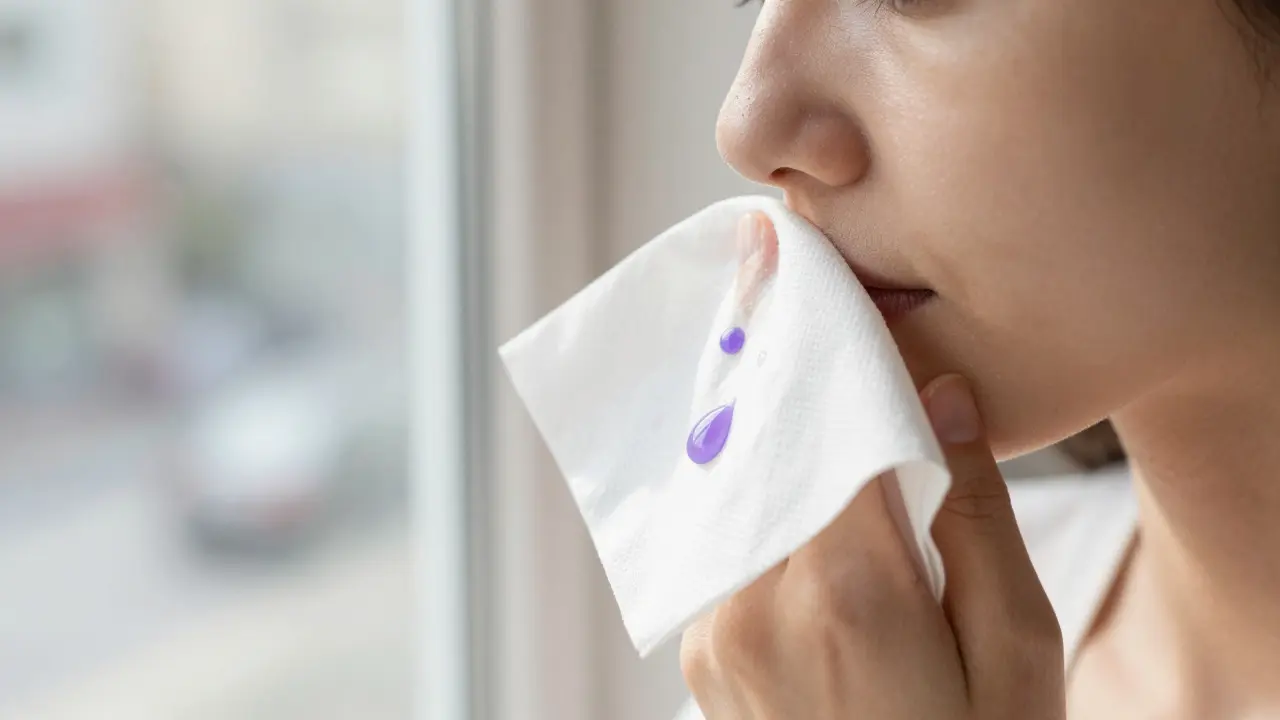
If you are panicking before a meeting or feeling overwhelmed by noise, inhalation is your best friend. It is the most direct way to get essential oils into your system. You do not need a fancy machine for this. Just grab a tissue or a cotton ball.
Lavender oil, specifically Lavandula angustifolia, is the gold standard here. Studies from the University of Pennsylvania have shown that inhaling lavender significantly reduces anxiety compared to a placebo. To use this technique:
- Put two drops of lavender oil on a tissue.
- Hold it close to your nose and take three deep, slow breaths.
- Exhale slowly through your mouth.
This method works because the scent receptors in your nose send signals directly to the amygdala, the part of your brain that processes fear and stress. By flooding those pathways with calming scents, you interrupt the stress response. You can also keep a small vial of bergamot oil in your bag. Bergamot has a unique citrusy yet floral scent that lifts mood without being too stimulating like lemon or orange might be.
Dry Diffusion: Setting the Mood at Home
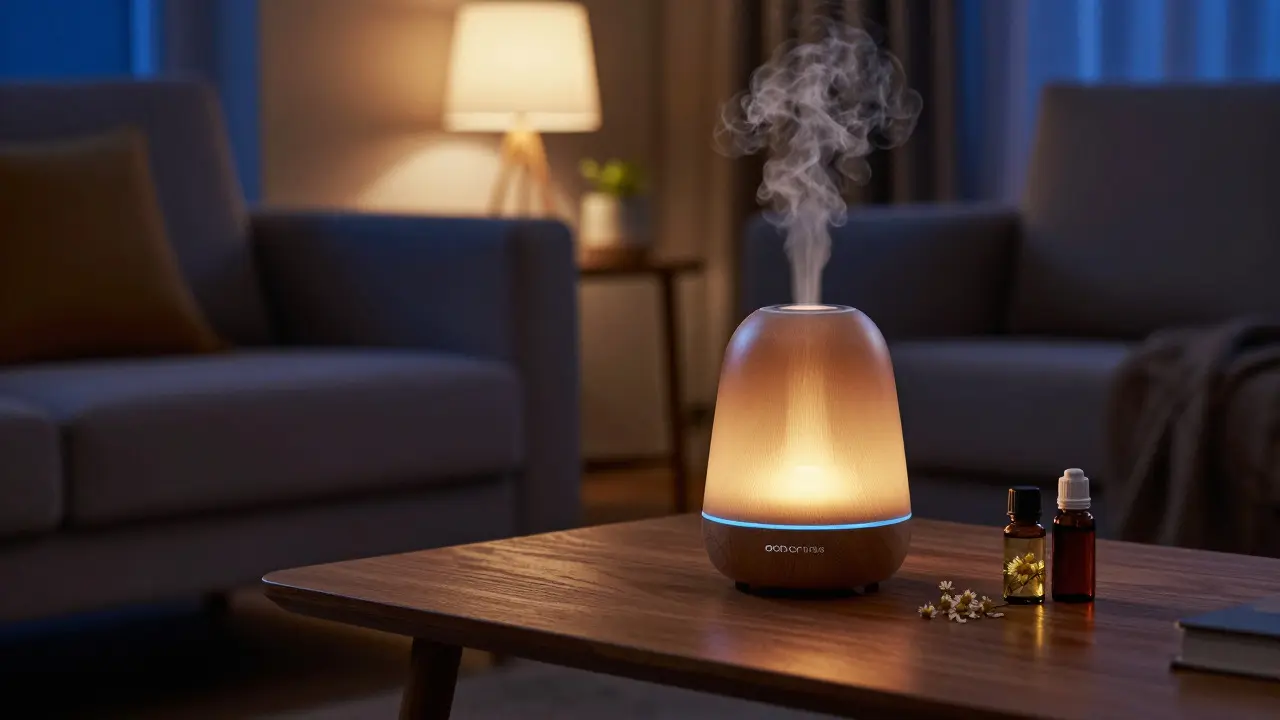
When you get home, you want your space to feel different from the outside world. An electric diffuser makes this easy. Unlike burning candles, which release soot, ultrasonic diffusers break water and oil into a fine mist, spreading the aroma evenly throughout the room.
For a relaxing evening, try a blend of chamomile and cedarwood. Chamomile is known for its soothing properties, often used in teas for sleep, but its scent is equally effective. Cedarwood adds a grounding, woody note that helps settle racing thoughts. Add 3-5 drops total to your diffuser and let it run for 30 minutes. This creates an ambient environment that tells your body it is time to wind down. If you do not own a diffuser, you can achieve a similar effect by placing a few drops of oil on a cotton ball and tucking it under your pillow. The heat from your body will gently warm the oil, releasing the scent as you sleep.
Topical Application: Grounding Through Touch
Scent is powerful, but combining it with touch amplifies the effect. Applying diluted essential oils to your skin allows for both olfactory absorption and tactile mindfulness. However, safety is key here. Essential oils are highly concentrated and can burn your skin if applied neat (undiluted).
Always mix them with a carrier oil like jojoba, sweet almond, or coconut oil. A safe ratio is one drop of essential oil per teaspoon of carrier oil. For stress relief, focus on pulse points like the temples, wrists, or behind the ears. These areas have thinner skin and increased blood flow, helping the molecules absorb faster. Try massaging a mixture of frankincense and rosemary into your temples. Frankincense has been used for centuries in spiritual practices for its grounding effects, while rosemary improves mental clarity. The act of massaging your temples also physically relaxes the muscles around your eyes and forehead, which often tighten during stress.
Bath Soaks: Immersive Relaxation
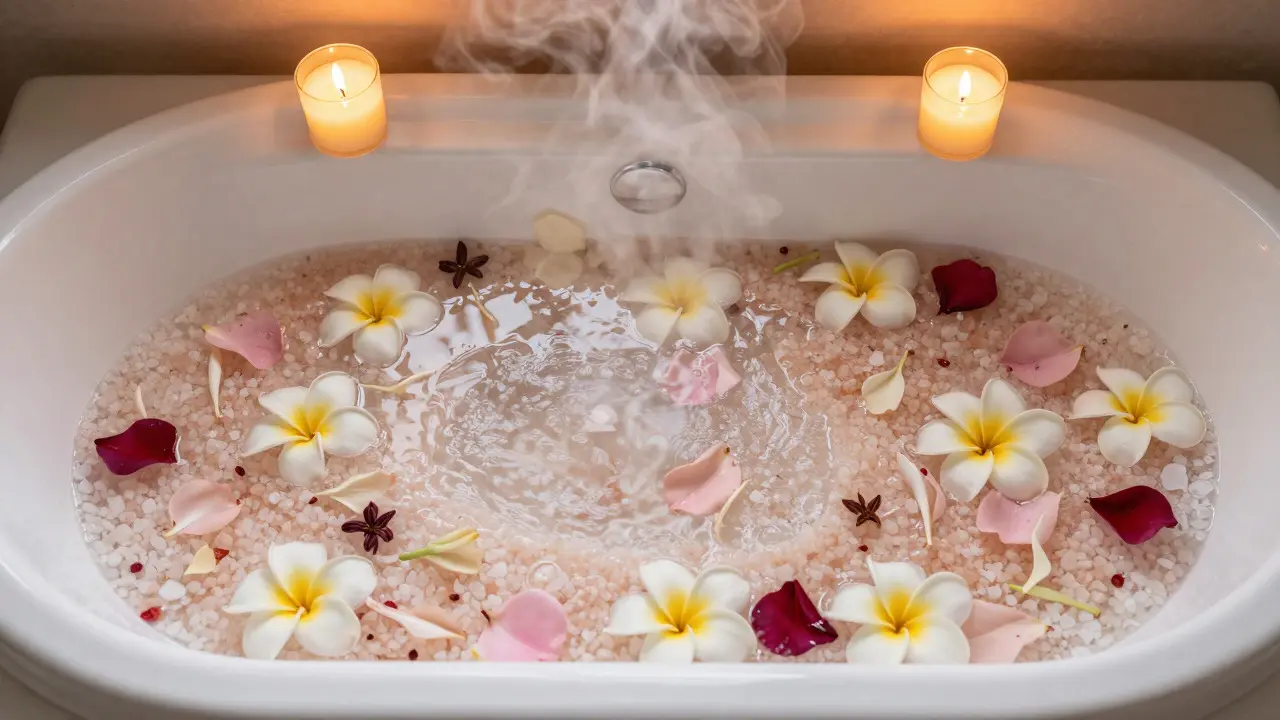
A warm bath is universally relaxing, but adding essential oils turns it into a therapeutic experience. The steam carries the aroma upward, allowing you to inhale deeply while the warm water soothes tense muscles. This dual action addresses both mental and physical symptoms of stress.
To make an aromatic bath, mix 5-10 drops of essential oil with a tablespoon of Epsom salts or a full-fat milk product like heavy cream. Oil and water do not mix, so the salt or fat acts as an emulsifier, preventing the oil from floating on top and potentially irritating your skin. Ylang ylang is excellent for baths. It has a rich, floral scent that lowers blood pressure and heart rate. Combine it with a drop of patchouli for an earthy balance. Soak for at least 15 minutes, focusing on slow breathing. Turn off your phone and dim the lights. This ritual forces a pause in your day, giving your nervous system a chance to shift from 'fight or flight' to 'rest and digest.'
Compress Therapy: Targeted Relief
When stress manifests as physical tension-like a tight neck or clenched jaw-a compress can provide targeted relief. This technique combines warmth, moisture, and aroma to penetrate deep into muscle tissue.
Soak a clean washcloth in hot water, wring it out, and add 2-3 drops of peppermint or eucalyptus oil. Peppermint contains menthol, which has a cooling sensation that distracts from pain and tension. Place the compress on your neck, shoulders, or forehead. Hold it there for 5-10 minutes, breathing in the steam. This is particularly effective after a long day of staring at screens. The cool-down effect on the skin contrasts with the warming steam, creating a sensory reset. If you prefer warmth, use a towel heated in the dryer and apply a blend of ginger and marjoram oils, which are known for their warming and muscle-relaxing properties.
| Technique | Best For | Speed of Effect | Equipment Needed |
|---|---|---|---|
| Inhalation | Immediate anxiety reduction | Seconds to minutes | Tissue or cotton ball |
| Dry Diffusion | Ambient relaxation, sleep aid | Minutes to hours | Electric diffuser |
| Topical Application | Grounding, headache relief | Minutes | Carrier oil |
| Bath Soaks | Full-body relaxation, insomnia | 15-20 minutes | Bathtub, Epsom salts |
| Compress Therapy | Muscle tension, sinus congestion | 5-10 minutes | Washcloth, hot water |
Safety First: Essential Oils Are Potent
While natural, essential oils are not harmless. They are potent chemical extracts. Always dilute topical applications. Perform a patch test before trying a new oil to check for allergic reactions. Keep oils away from pets, especially cats, whose livers cannot process certain terpenes found in tea tree, peppermint, and citrus oils. Pregnant women should consult a doctor before using oils like clary sage or rosemary, which can stimulate uterine contractions. Quality matters too. Look for 100% pure, therapeutic-grade oils from reputable brands. Avoid products labeled "fragrance oil," which are synthetic and lack the therapeutic benefits.
Building a Routine
The key to success is consistency. Pick one technique that fits your lifestyle and stick with it. Maybe it is inhaling lavender every morning before work, or running a diffuser every night. Over time, your brain will associate these scents with relaxation, creating a conditioned response. You will find yourself calming down faster, simply because your mind recognizes the signal. Start small, stay safe, and let the scents do the work.
How quickly does aromatherapy work for stress?
Inhalation methods can reduce stress markers within seconds to minutes. Topical application and diffusion may take a few minutes to establish a calming atmosphere. Bath soaks typically require 15-20 minutes for full muscle relaxation.
Can I use essential oils on my face?
Yes, but with caution. Facial skin is sensitive. Always dilute heavily (1 drop per tablespoon of carrier oil) and avoid the eye area. Patch test first. Lavender and chamomile are generally safe for facial use.
Are essential oils safe for children?
Some oils are safe for children over age 6 when diluted properly. Lavender and chamomile are good choices. Avoid strong oils like peppermint, eucalyptus, and wintergreen for young children as they can irritate airways. Always consult a pediatrician first.
What is the best essential oil for sleep?
Lavender is the most researched and effective oil for sleep. Chamomile, bergamot, and ylang ylang are also excellent alternatives. Use them in a diffuser or on a pillow before bed.
Do I need to buy expensive organic oils?
You do not necessarily need organic, but you do need purity. Look for bottles that specify the Latin name of the plant, the extraction method (usually steam distillation), and country of origin. Dark glass bottles protect the oil from light degradation. Cheap oils may contain fillers or synthetics.