
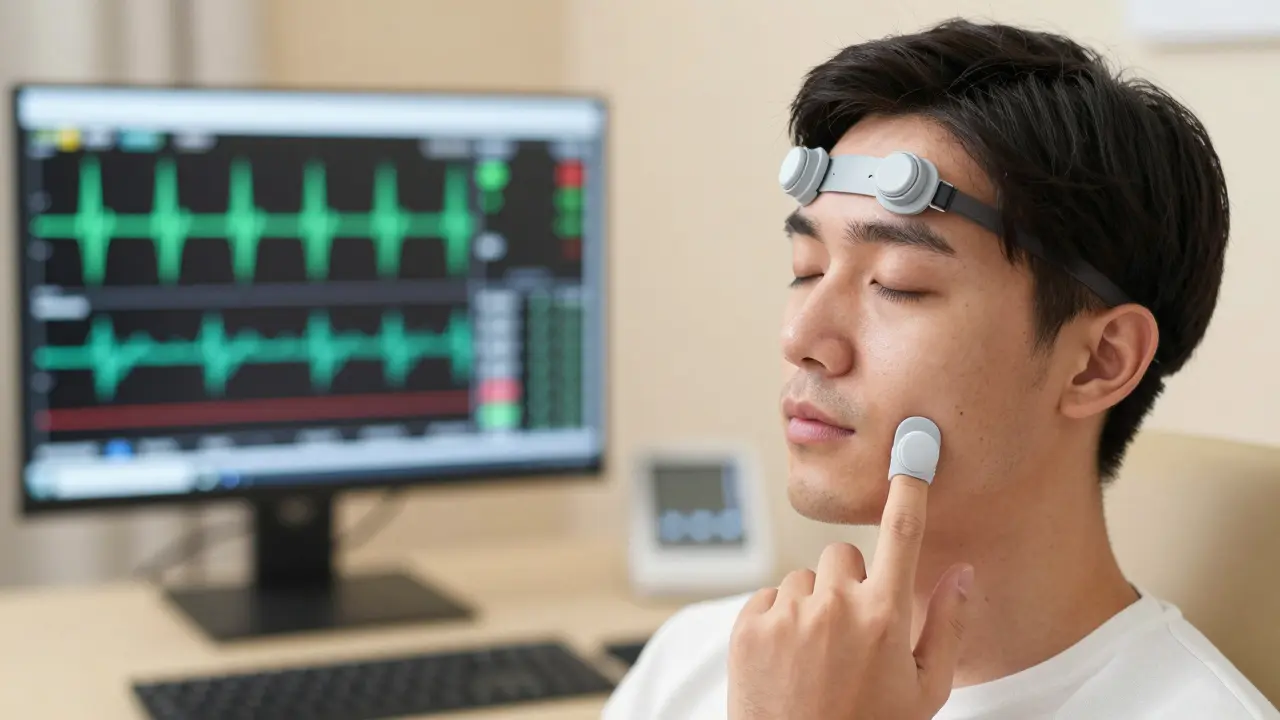
Imagine being able to see your stress levels on a screen. Not just feeling them in your chest or noticing your racing thoughts, but watching a real-time graph that shows exactly how your body is reacting to the world around you. That is the core promise of biofeedback, a therapeutic technique that uses electronic monitoring to convey information about physiological processes like muscle tension, skin temperature, and heart rate. For years, this technology was reserved for clinical labs. Today, it is becoming a mainstream tool for managing mental health conditions, offering a tangible way to regain control over the nervous system.
If you have tried meditation but find your mind wandering, or if relaxation techniques feel like guessing games, biofeedback offers a different approach. It turns abstract concepts like "calm" into concrete data. This article breaks down what biofeedback actually is, how it helps with specific mental health issues, and whether it is worth adding to your wellness routine.
What Is Biofeedback and How Does It Work?
Biofeedback is a non-invasive method that teaches you to control involuntary bodily functions. Usually, you cannot consciously change your heart rate or blood pressure. However, biofeedback devices measure these signals and feed them back to you instantly through visual or auditory cues. When you see your heart rate drop as you slow your breathing, you learn to replicate that state without the machine.
| Type | Measures | Primary Use |
|---|---|---|
| EMG (Electromyography) | Muscle tension | Tension headaches, chronic pain |
| HRV (Heart Rate Variability) | Time between heartbeats | Anxiety, PTSD, emotional regulation |
| Thermal | Skin temperature | Migraines, Raynaud's disease |
| EEG (Neurofeedback) | Brain wave activity | ADHD, insomnia, depression |
The process relies on operant conditioning. Think of it like learning to ride a bike. At first, you wobble and fall. But as you get feedback from your balance, you adjust. Similarly, biofeedback provides immediate rewards when your physiology moves toward a healthier state. Over time, these adjustments become automatic. You no longer need the sensors to calm down; your body remembers the pattern.
Why Biofeedback Matters for Mental Health
Mental health struggles often manifest physically before they are recognized emotionally. Anxiety might start as a tight chest. Depression can show up as low energy or disrupted sleep. Traditional talk therapy addresses the cognitive side-thoughts and behaviors-but biofeedback targets the physiological root. By regulating the body, you create a foundation for mental stability.
Research supports its efficacy. A systematic review published in *JAMA Internal Medicine* found that biofeedback significantly reduced symptoms of anxiety and depression compared to control groups. Unlike medication, which alters chemistry directly, biofeedback empowers patients with skills. It shifts the narrative from "I am broken" to "I can manage this." This sense of agency is crucial for long-term recovery.
Specific Conditions Biofeedback Can Help
Biofeedback is not a one-size-fits-all cure, but it is highly effective for several specific conditions. Here is how it applies to common mental health challenges:
- Anxiety Disorders: HRV biofeedback is particularly useful here. By training your heart rate variability, you strengthen the vagus nerve, which controls the parasympathetic nervous system (the "rest and digest" mode). Studies show that regular HRV training can lower cortisol levels and reduce panic attack frequency.
- PTSD: Individuals with post-traumatic stress disorder often live in a state of hyperarousal. Neurofeedback (EEG) can help retrain brain waves associated with fear and alertness. It helps quiet the amygdala, the brain's alarm bell, allowing for better emotional processing.
- Depression: While less commonly discussed, alpha-theta neurofeedback has shown promise in treating resistant depression. It encourages deeper states of relaxation and access to subconscious material, complementing traditional therapies.
- Insomnia: Sleep disorders are often linked to an inability to downregulate arousal. Thermal biofeedback or EMG can teach you to relax muscles and warm extremities, signaling to your brain that it is safe to sleep.

The Difference Between Clinical Sessions and Home Devices
You might be tempted to buy a consumer-grade biofeedback app or wearable. While these tools are improving, there is a significant difference between guided clinical sessions and DIY monitoring.
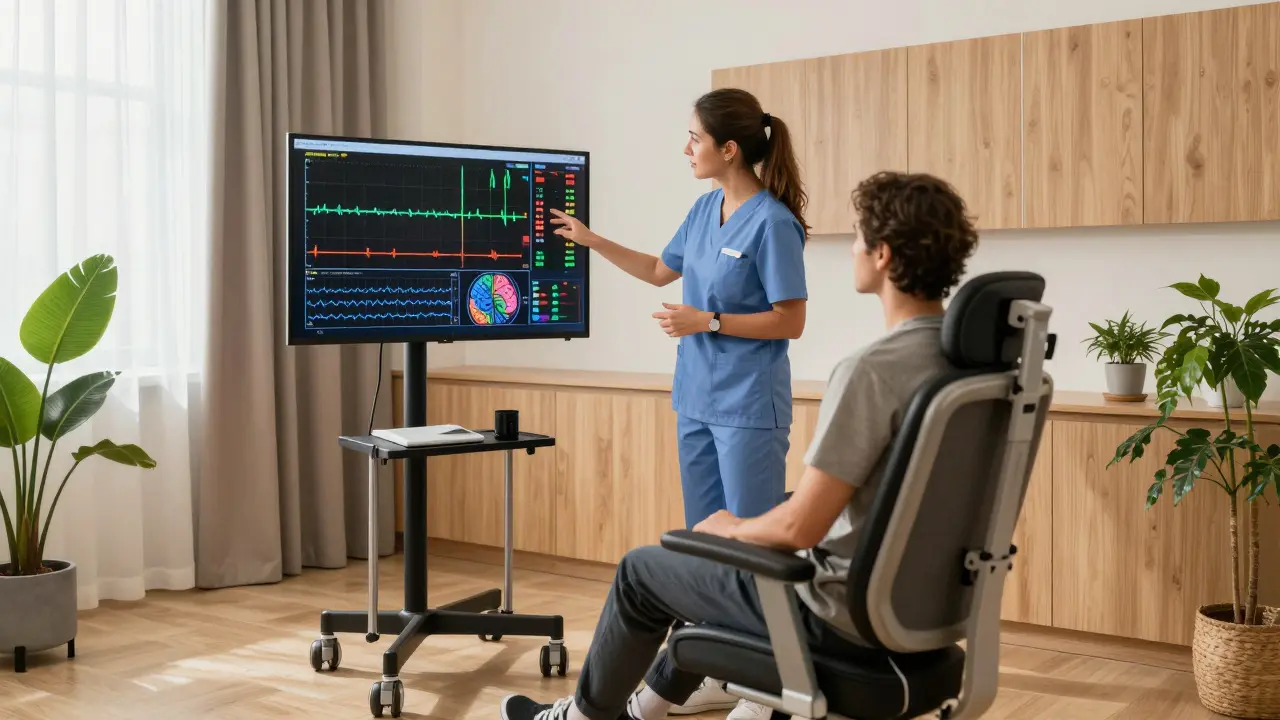
In a clinical setting, a certified therapist interprets the data alongside your subjective experience. They tailor the protocol to your needs. For example, if you are trying to reduce muscle tension but inadvertently increase your heart rate, the therapist notices and adjusts the strategy. Home devices provide raw data but lack contextual interpretation. You might see a number go down but not understand why or how to sustain it.
That said, home devices are excellent for maintenance. Once you have learned the skills in therapy, using a simple finger sensor or smartwatch can help you practice daily. The key is to view home tools as supplements, not replacements, for professional guidance, especially in the early stages.
What to Expect During Your First Session
If you decide to try biofeedback, here is a typical session flow:
- Assessment: The therapist discusses your history and goals. They may perform a baseline measurement to understand your current physiological state.
- Setup: Small sensors are attached to your skin. These are painless and look like small stickers or clips. You will connect to a computer screen showing real-time graphs.
- Training: You will engage in relaxation techniques while watching the feedback. If the goal is to lower muscle tension, you might focus on unclenching your jaw. As the tension drops, the graph changes color or plays a soothing sound.
- Integration: The therapist guides you through scenarios, asking you to maintain control while thinking about stressful events. This bridges the gap between the clinic and real life.
- Review: After 30-60 minutes, you discuss what worked. You leave with specific exercises to practice at home.
Most people require 8-15 sessions to see lasting changes. Consistency is key. Just like going to the gym, sporadic efforts yield minimal results.
Potential Risks and Limitations
Biofeedback is generally safe with few side effects. Some users report mild headaches or fatigue after intense sessions, similar to the feeling after a deep massage. However, it is not suitable for everyone. People with severe psychosis or certain cardiac conditions should consult a doctor before starting. Additionally, insurance coverage varies. In Australia, some private health funds cover biofeedback under allied health benefits, but Medicare rebates are limited unless prescribed by a specialist for specific conditions.
Another limitation is the cost. A single session can range from $100 to $200 AUD depending on the provider and location. If you are considering this path, check with your insurer first. Look for practitioners certified by organizations like the Biofeedback Certification International Alliance (BCIA) to ensure quality care.
How to Find a Qualified Practitioner
Not every therapist offers biofeedback. When searching, look for keywords like "certified biofeedback practitioner" or "neurofeedback specialist." In Brisbane and across Australia, many psychologists and physiotherapists integrate these tools into their practice. Ask potential providers about their certification and experience with your specific condition. A good practitioner will explain the science clearly and set realistic expectations.
Biofeedback is not magic, but it is powerful. It bridges the gap between mind and body, offering a practical toolkit for mental resilience. Whether you struggle with anxiety, pain, or sleep, understanding your physiology can be the first step toward healing.
Is biofeedback covered by Medicare in Australia?
Generally, standard biofeedback sessions are not directly rebated by Medicare. However, if you have a Chronic Disease Management Plan from your GP, you may be eligible for rebates on allied health services, which could include biofeedback if provided by a qualified psychologist or physiotherapist. Always check with your provider and insurer.
How many sessions of biofeedback do I need?
Most protocols recommend 8 to 15 sessions for noticeable improvement. Simple issues like tension headaches may improve faster, while complex conditions like PTSD or ADHD might require more extensive training. Maintenance sessions are often recommended quarterly.
Can I use biofeedback apps instead of seeing a therapist?
Apps can be helpful for maintenance and general awareness, but they lack the personalized guidance of a therapist. For clinical conditions, starting with a certified practitioner ensures you learn the correct techniques and avoid frustration from misinterpreting data.
Does biofeedback work for children?
Yes, biofeedback is increasingly used for children, particularly for ADHD and anxiety. Neurofeedback, a type of biofeedback, is often gamified to keep kids engaged. It is non-invasive and drug-free, making it an attractive option for parents.
Are there any side effects to biofeedback?
Side effects are rare and usually mild. Some people experience temporary fatigue, headache, or emotional release during sessions. These typically resolve quickly. Serious adverse events are extremely uncommon when performed by a certified professional.