Ever notice how you feel run down right after a stomach bug? Or maybe you’ve caught every cold going around the office while your colleague seems immune. The difference might not be luck; it could be what’s happening inside your digestive tract. Your gut is more than just a tube for processing food. It is actually the headquarters of your body’s defense system.
When we talk about gut health, we aren’t just talking about regular bowel movements or avoiding bloating. We are talking about a complex ecosystem that communicates directly with your immune cells. If this internal environment gets out of balance, your entire body’s ability to fight off viruses, bacteria, and inflammation takes a hit. Let’s look at exactly how this connection works and what you can do to strengthen it.
The Hidden Headquarters of Your Immune System
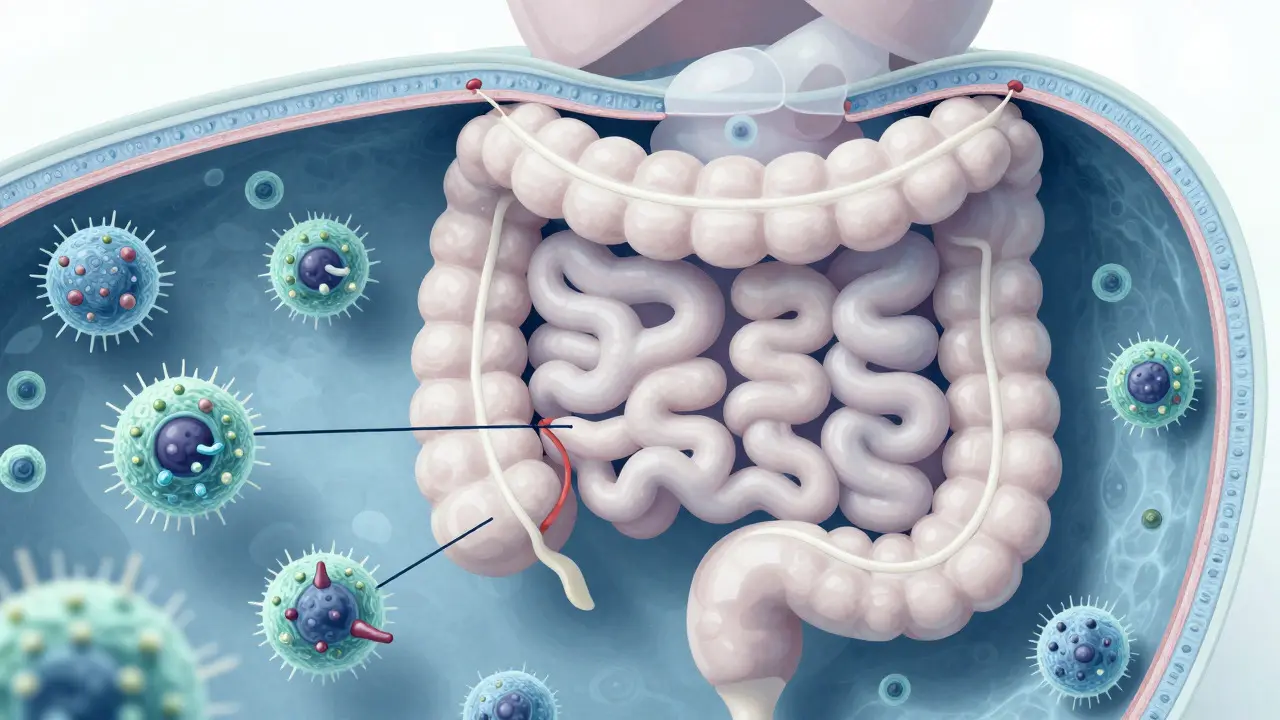
You might think your spleen or bone marrow runs the show when it comes to fighting infection. While they play huge roles, the majority of your immune activity happens in your gut. Specifically, in a tissue layer called Gut-Associated Lymphoid Tissue, or GALT. This isn't just a small part of your body; it accounts for roughly 70% of all immune cells in your system.
Gut-Associated Lymphoid Tissue (GALT) is a component of the mucosal immune system located in the gastrointestinal tract, responsible for initiating immune responses to pathogens entering through the gut. It acts as a surveillance network, constantly scanning the contents of your intestines to distinguish between harmless nutrients and dangerous invaders.
Imagine your gut lining as a border control checkpoint. It needs to let good things in (like vitamins and minerals) but keep bad things out (like toxins and harmful bacteria). The cells here, known as dendritic cells, sample the environment and report back to the rest of your immune army. If your gut barrier is weak-a condition often referred to as "leaky gut"-these checkpoints fail. Undigested food particles and bacteria slip into your bloodstream, triggering an unnecessary immune response. This leads to chronic inflammation, which drains your energy and makes you susceptible to other illnesses.
Your Microbiome: The Internal Security Team
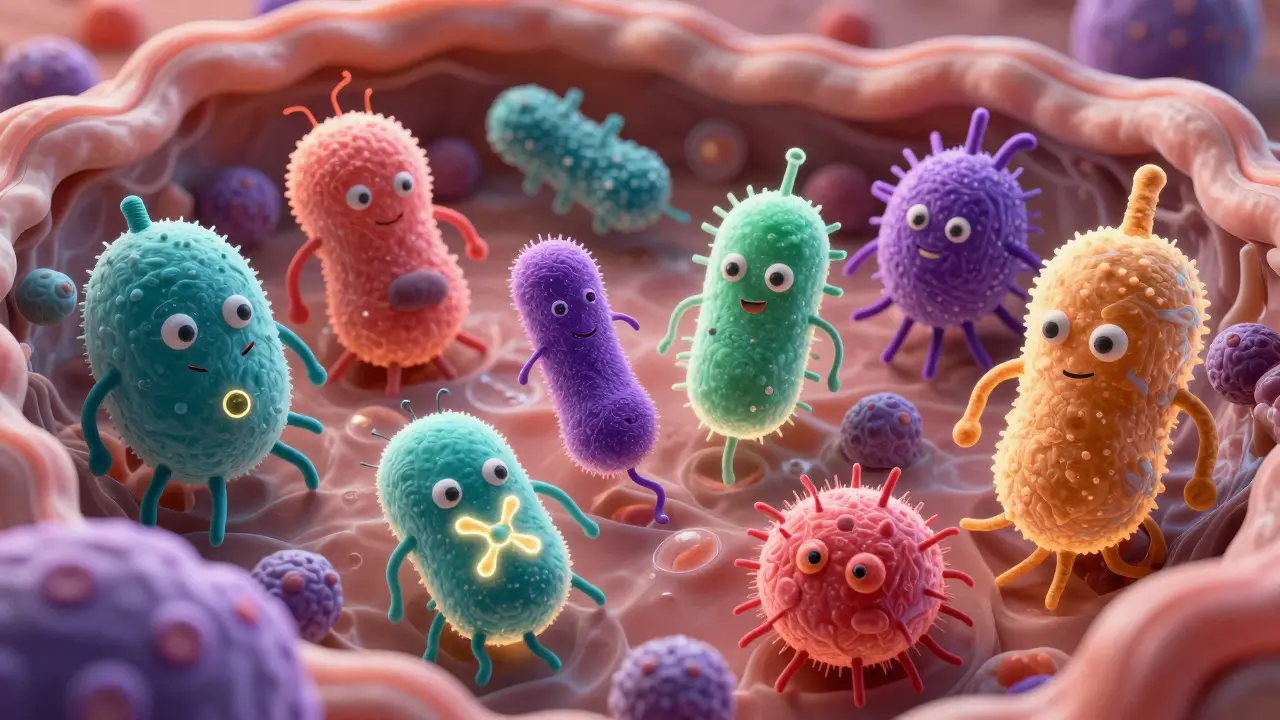
Living in your gut are trillions of microorganisms. Collectively, these are known as your gut microbiota. Think of them as your personal security team. They don’t just sit there; they actively train your immune system from the moment you are born.
When you have a diverse range of beneficial bacteria, such as Lactobacillus and Bifidobacterium, they compete with harmful pathogens for space and food. It’s a game of musical chairs where the good guys hold their spots so the bad guys can’t get in. These beneficial microbes also produce short-chain fatty acids (SCFAs), like butyrate. Butyrate is crucial because it feeds the cells lining your colon, keeping that protective barrier tight and strong.
Without enough of these friendly bacteria, your immune system gets confused. It might start attacking harmless substances, leading to allergies or autoimmune issues. Conversely, if your microbiome is robust, your immune system stays calm and ready to act only when a real threat appears. This balance is why people with poor gut health often suffer from frequent infections, skin issues like eczema, and even mood disturbances.
The Gut-Brain-Immune Axis
We used to think the brain, gut, and immune system operated in separate silos. We now know they are deeply connected via the vagus nerve and chemical messengers. This is called the gut-brain-immune axis. Stress, for example, doesn’t just make you feel anxious; it physically changes your gut environment.
When you are under high stress, your body releases cortisol. High levels of cortisol can alter the composition of your gut bacteria, reducing the number of helpful strains. At the same time, stress increases intestinal permeability, making that "leaky gut" problem worse. This creates a vicious cycle: stress damages your gut, a damaged gut triggers inflammation, and inflammation signals your brain to feel more stressed and fatigued.
This explains why you might get sick during a busy work period or a stressful life event. It’s not just coincidence. Your nervous system is directly impacting your immune defenses through your digestive tract. Managing stress is therefore not just a mental health priority; it is a physical immunity strategy.
Dietary Choices That Shape Your Defenses
What you eat determines who lives in your gut. You cannot buy a pill that will fix a diet-driven imbalance. To support your immunity, you need to feed the right bacteria. The most important factor here is fiber, specifically prebiotic fiber.
Prebiotics are non-digestible plant compounds that serve as food for your beneficial bacteria. When you eat foods rich in prebiotics, those bacteria ferment the fiber and produce the SCFAs mentioned earlier. Without enough prebiotics, your good bacteria starve, and opportunistic bad bacteria take over.
| Food Category | Specific Examples | Primary Benefit |
|---|---|---|
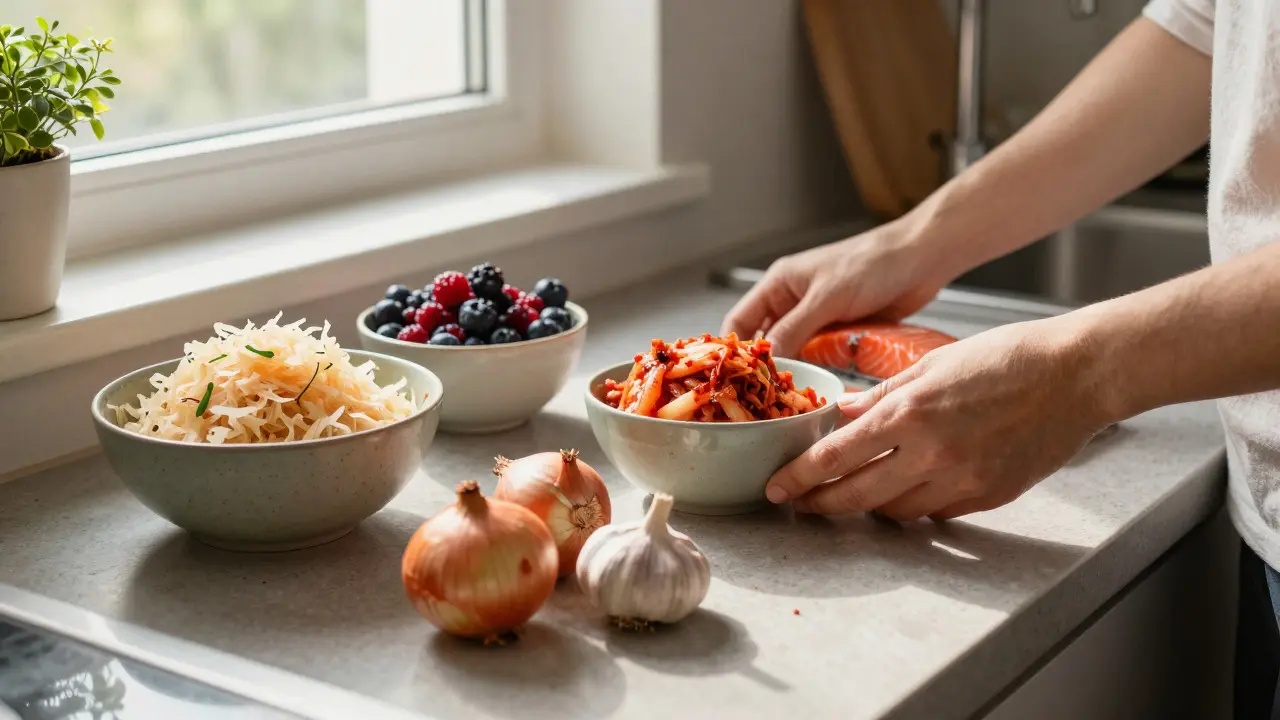
| Fermented Foods | Sauerkraut, Kimchi, Kefir, Yogurt (unsweetened) | Introduces live probiotic cultures to diversify microbiome |
| Prebiotic Fibers | Garlic, Onions, Leeks, Asparagus, Bananas | Feeds existing beneficial bacteria to produce SCFAs |
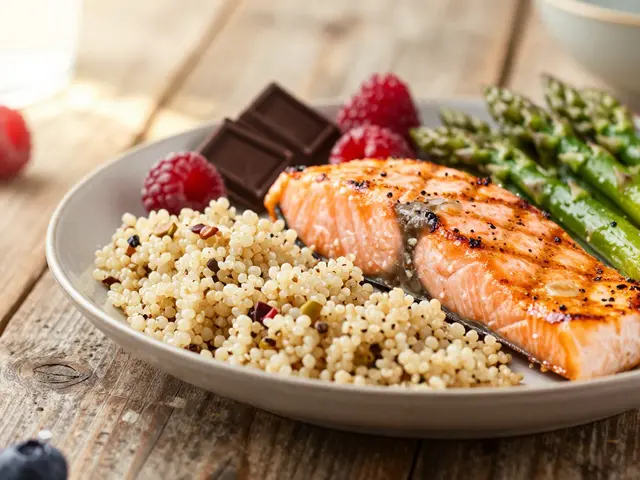
| Polyphenol-Rich Foods | Berries, Dark Chocolate, Green Tea, Nuts | Acts as antioxidants and supports bacterial growth |
| Fatty Fish | Salmon, Mackerel, Sardines | Provides Omega-3s to reduce systemic inflammation |
Notice that processed foods and added sugars are missing from that list. That’s because sugar feeds yeast and harmful bacteria, not the good stuff. A diet high in refined carbs and low in fiber essentially starves your immune-supporting microbes while feeding the inflammatory ones. If you want to boost your immunity, cutting back on ultra-processed snacks is just as important as adding superfoods.
Probiotics vs. Prebiotics: Knowing the Difference
You see these terms everywhere on supplement bottles, but they do different jobs. Confusing them can lead to ineffective strategies.
- Probiotics are the actual live bacteria or yeasts. They are the new recruits joining your security team. Sources include yogurt, kefir, kombucha, and supplements.
- Prebiotics are the food for those bacteria. They are the supplies that help your existing team thrive. Sources include garlic, onions, oats, and bananas.
While probiotic supplements can be helpful, especially after a course of antibiotics, they are not a magic bullet. If your gut environment is hostile due to poor diet or high stress, those new bacteria may not survive. It is better to focus on creating a hospitable environment with prebiotic fibers first. Think of it like planting seeds: you can buy the best seeds (probiotics), but if the soil is toxic (poor diet), nothing will grow. You need to fix the soil first.
Lifestyle Factors Beyond Food
Diet is huge, but it’s not the only lever you can pull. Sleep and exercise play critical roles in maintaining the diversity of your microbiome.
Poor sleep disrupts your circadian rhythm, which regulates your gut bacteria. Studies show that people who consistently get less than seven hours of sleep have lower microbial diversity. This drop in diversity correlates with higher levels of inflammation markers in the blood. So, when you skip sleep, you aren’t just tired; you are literally weakening your gut’s barrier function.
Exercise, on the other hand, tends to increase microbial diversity. Moderate aerobic activity promotes the growth of bacteria that produce anti-inflammatory SCFAs. However, extreme endurance training without adequate recovery can have the opposite effect, increasing gut permeability. Balance is key. A brisk walk or moderate jog is far better for your gut immunity than pushing yourself to exhaustion every day.
Signs Your Gut Health Is Compromised
How do you know if your gut-immune connection is broken? It’s not always obvious. Digestive discomfort is the most common sign, including bloating, gas, constipation, or diarrhea. But the signs can extend beyond the stomach.
Watch for these broader indicators:
- Frequent infections (colds, flu, urinary tract infections)
- Unexplained fatigue or brain fog
- Skin issues like acne, rosacea, or eczema
- New food sensitivities or allergies
- Mood swings or increased anxiety
If you are experiencing several of these, it might be time to audit your lifestyle. Start by tracking your diet for a week. Are you eating enough colorful plants? Are you drinking too much alcohol? Alcohol is particularly damaging to gut health as it erodes the intestinal lining and alters bacterial composition significantly.
Building Long-Term Resilience
Improving your gut health isn’t about a quick fix. It’s about building long-term resilience. The goal is to create a diverse, stable microbiome that can withstand shocks like stress, travel, or minor illnesses.
Start small. Add one serving of fermented food to your daily routine. Swap refined grains for whole grains to boost fiber intake. Prioritize seven to eight hours of sleep. These changes compound over time. Within weeks, many people report feeling more energetic and less bloated. Over months, you may find yourself catching fewer bugs and recovering faster when you do.
Your gut is a living organ that responds to everything you put into it. Treat it with respect, and it will defend you effectively. Ignore it, and your immune system will pay the price. The power to strengthen your body’s natural defenses lies largely in your kitchen and your daily habits.
How quickly can I improve my gut health?
Changes in your gut microbiome can begin within days of changing your diet, particularly by increasing fiber and fermented foods. However, establishing a stable, resilient microbiome typically takes several weeks to months. Consistency is key; sporadic efforts rarely yield lasting results.
Do antibiotics permanently damage gut health?
Antibiotics kill both harmful and beneficial bacteria, which can temporarily disrupt your gut balance. For most healthy adults, the microbiome recovers within a few weeks to months. Supporting recovery with prebiotic-rich foods and probiotics can help speed up this process, though some species may not fully return to pre-antibiotic levels.
Is yogurt really good for immunity?
Yogurt containing live active cultures (like Lactobacillus bulgaricus and Streptococcus thermophilus) can support gut health. However, many commercial yogurts are high in added sugar, which can negate benefits. Look for plain, unsweetened varieties and add your own fruit or honey for a better immune-boosting option.
Can stress alone cause gut problems?
Yes. Chronic stress alters gut motility, increases permeability, and changes the composition of gut bacteria. This can lead to symptoms like irritable bowel syndrome (IBS) flare-ups, bloating, and reduced immune function. Stress management techniques like meditation or deep breathing are valid medical interventions for gut health.
What is the best probiotic strain for immunity?
There is no single "best" strain, as individual responses vary. However, Lactobacillus rhamnosus GG and Bifidobacterium lactis have substantial research supporting their role in reducing the duration and severity of respiratory infections. Diversity is generally more important than focusing on one specific strain.