
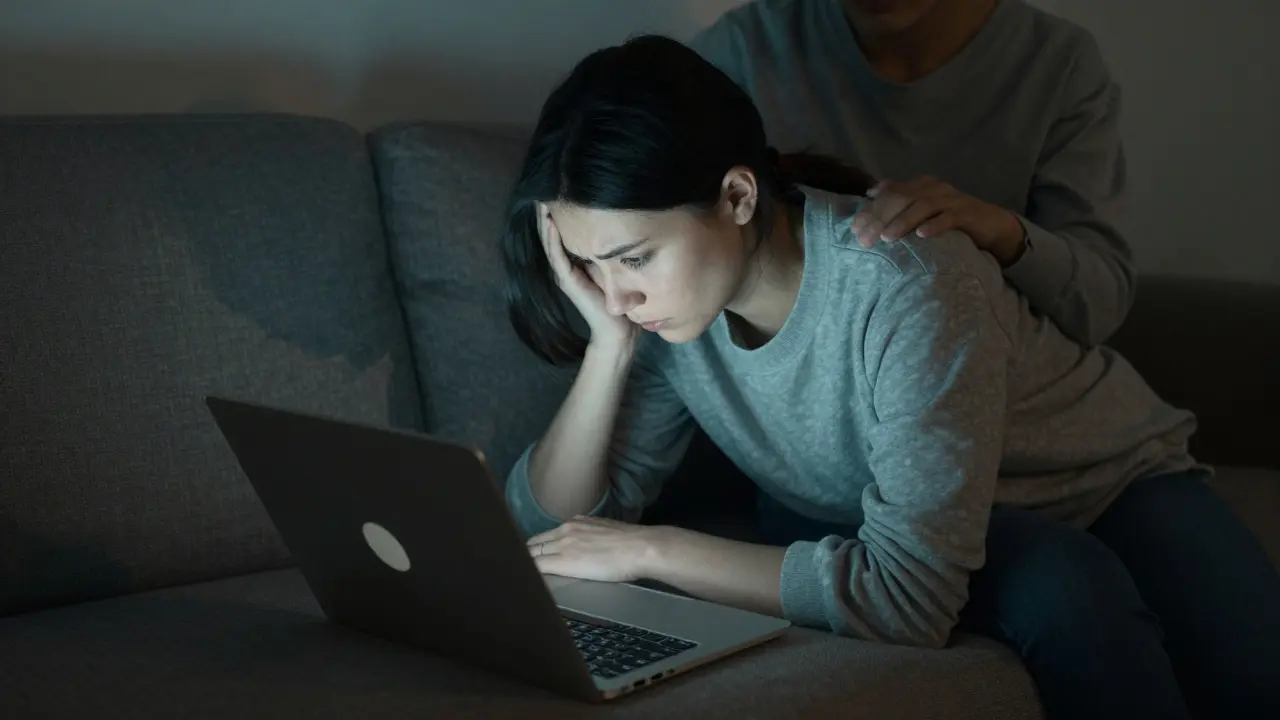
When someone you care about keeps checking their pulse, Googling every little ache, or canceling plans because they’re sure they’re dying of something rare, it’s hard to know what to do. You want to help, but saying "it’s all in your head" makes things worse. And giving constant reassurance? That only feeds the cycle. Health anxiety isn’t just worry-it’s a persistent, overwhelming fear that normal bodily sensations mean something deadly is wrong. And it’s more common than you think. Up to 5% of adults experience it seriously enough to disrupt daily life.
Understand What Health Anxiety Actually Is
Health anxiety isn’t being a hypochondriac or overly cautious. It’s a real mental health condition, sometimes called illness anxiety disorder. People with it don’t just worry about being sick-they become obsessed with it. A headache becomes a brain tumor. A cough turns into lung cancer. A racing heart? Heart attack. Even after doctors say they’re fine, the fear doesn’t fade. In fact, it often grows louder.
They might spend hours researching symptoms online. They avoid hospitals because they’re terrified of catching something. Or they visit doctors constantly, demanding tests. Some stop exercising, eating normally, or seeing friends because they’re too focused on monitoring their body. It’s exhausting-for them and for you.
Stop Reassuring, Start Validating
You probably want to say things like: "You’re fine," "You’ve had the tests," or "I don’t think you have cancer." But here’s the truth: reassurance doesn’t work. It gives temporary relief, then the fear comes back stronger. It’s like giving someone a cookie every time they cry-it teaches them crying gets cookies.
Instead, try validating their feelings without agreeing with the fear. Say: "I know how scary this feels," or "It makes sense that your mind would go there when your body feels strange." You’re not saying they’re sick. You’re saying their fear is real, even if the threat isn’t.
This shift takes practice. When they say, "I think I’m having a stroke," don’t jump to check their speech or pulse. Pause. Breathe. Say: "That sounds terrifying. What’s going through your mind right now?" Let them talk. Often, just being heard reduces the intensity.
Don’t Join the Rituals
People with health anxiety often develop rituals: checking their temperature 10 times a day, Googling symptoms before bed, asking you to confirm they’re not turning blue. These rituals give a false sense of control. And if you join in-helping them look up symptoms, agreeing to drive them to the ER, even joking about their symptoms-you’re reinforcing the behavior.
You don’t have to be cold or dismissive. But you do need to set boundaries. If they ask you to check their rash again, say: "I’ve seen it before. I know you’re scared, but I’m not going to check it again. I believe you can handle this feeling, even if it’s hard." It’s not about being uncaring. It’s about helping them build tolerance to uncertainty.
Encourage Professional Help-Without Pressure
Therapy works. Specifically, cognitive behavioral therapy (CBT) is the most proven treatment for health anxiety. It helps people learn to sit with uncomfortable thoughts without acting on them. They learn that physical sensations aren’t signals of danger-they’re just sensations.
But telling someone to "just see a therapist" rarely works. They might feel judged, or think you’re saying their fear isn’t real. Instead, normalize it. Say: "I heard a lot of people find CBT helpful for this kind of worry. There’s no shame in talking to someone about it. I can help you find someone if you want."
Offer to look up therapists together. Suggest starting with a telehealth session if they’re nervous. Mention that some GPs in Australia now offer bulk-billed mental health plans under Medicare. You’re not pushing. You’re opening the door.

Help Them Build a New Routine
Health anxiety thrives in idle moments. When the mind has nothing else to focus on, it turns inward-scanning for danger. Help them fill those gaps with activities that ground them in the present.
- Walks in the park-no phones, no symptom checking
- Simple cooking or baking-focusing on smells, textures, tastes
- Listening to music or podcasts-something that pulls attention outward
- Volunteering or helping others-shifts focus from self to others
Don’t say "you should do this." Say: "I’m going for a walk after dinner. Want to come? No pressure. We can just sit quietly if you’d rather." Small, low-pressure invitations build confidence over time.
Watch for the Signs of Progress
Recovery isn’t linear. There will be bad days. But look for small wins:
- They didn’t Google their symptoms today
- They went to the grocery store without checking their pulse first
- They laughed at a joke instead of worrying about a chest tightness
- They asked for help with their anxiety instead of asking for reassurance
These are victories. Say it out loud: "I noticed you didn’t check your heart rate after dinner. That’s huge." Recognition reinforces change.
Take Care of Yourself Too
Supporting someone with health anxiety is emotionally draining. You might feel guilty, frustrated, or helpless. That’s normal. You can’t pour from an empty cup.
Set limits. It’s okay to say: "I can’t talk about symptoms right now. I need a break." Schedule time for yourself-walks, coffee with friends, a movie. Talk to someone else about your feelings. A therapist can help you navigate this without burning out.
Remember: you’re not their therapist. You’re their person. Your job isn’t to fix them. It’s to be steady, kind, and consistent-even when it’s hard.
What Not to Say (and What to Say Instead)
Here are common phrases-and better alternatives:
| What People Often Say | Why It Doesn’t Work | What to Say Instead |
|---|---|---|
| "You’re fine." | Dismisses their experience | "I know this feels real to you." |
| "Stop Googling!" | Increases shame | "I notice you’ve been checking symptoms. Want to try something else for 10 minutes?" |
| "It’s all in your head." | Implies it’s fake | "Your brain is working overtime to protect you. That’s why it feels so real." |
| "I’ll take you to the doctor." | Reinforces medical seeking | "I believe you can handle this feeling. I’m here if you need to talk." |
When to Seek Emergency Help
Health anxiety rarely leads to physical danger-but it can lead to emotional crises. If your loved one:
- Expresses thoughts of self-harm or suicide
- Has stopped eating, sleeping, or leaving the house for weeks
- Is using alcohol or drugs to cope
Then it’s time to act. Contact a mental health crisis line. In Australia, call Lifeline at 13 11 14 or visit lifeline.org.au. Don’t wait. They’re trained to help.
You’re Not Alone in This
Health anxiety doesn’t happen in a vacuum. It affects families, friendships, workplaces. But change is possible. With the right support, people learn to live with uncertainty-not as a threat, but as a normal part of being human.
Your presence matters. Not because you have answers, but because you show up. Even on the hard days. Even when they don’t say thank you. Even when it feels like you’re not helping.
You are. Keep going.