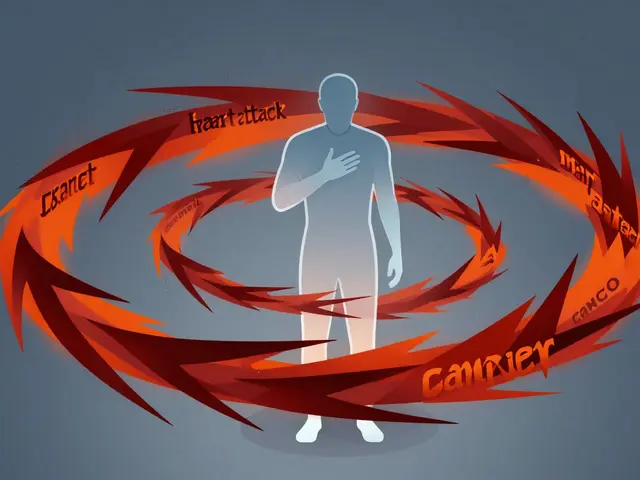

One in five adults in Australia experiences a mental health condition each year. That’s not a distant statistic-it’s your neighbor, your coworker, your sibling. Yet, most of us still treat mental health like a private shame, something to whisper about, not talk about. We check our blood pressure, track our steps, and eat kale like it’s a religion. But when someone says they’re struggling with anxiety or depression, we change the subject. Why? Because we haven’t built mental health awareness into the fabric of daily life like we have with physical health.
What Mental Health Awareness Actually Means
Mental health awareness isn’t just wearing a green ribbon in May. It’s knowing the signs of burnout before someone collapses at work. It’s recognizing that irritability in a teenager might not be "just hormones"-it could be depression. It’s understanding that a colleague who’s been quiet for weeks isn’t "just introverted," they might be drowning silently.
Real awareness means replacing myths with facts. You don’t become mentally ill because you’re weak. You don’t snap out of depression by "thinking positive." And therapy isn’t just for people who’ve hit rock bottom-it’s for anyone who wants to understand themselves better. Mental health is not a binary state: you’re either fine or broken. It’s a spectrum, and everyone moves along it, sometimes daily.
The Cost of Ignoring Mental Health
When we ignore mental health, the price gets paid by everyone. In Australia, workplace mental health issues cost the economy over $10 billion a year in lost productivity. That’s not just numbers-it’s projects delayed, teams fractured, managers overwhelmed trying to cover for someone who’s too scared to ask for help.
At home, untreated mental health conditions fuel cycles of conflict, neglect, and isolation. Kids grow up thinking their parent’s silence is normal. Partners learn to tiptoe around moods instead of talking about them. Emergency rooms fill with people who had no access to early support. Suicide rates haven’t dropped in a decade-not because we lack resources, but because we lack the courage to ask: "Are you okay?" and mean it.

How Awareness Changes Systems
Awareness doesn’t just change hearts-it changes systems. Schools that teach emotional literacy from Year 1 see fewer suspensions and higher attendance. Companies that train managers to spot signs of distress report 30% lower turnover. Primary care clinics that screen for depression during routine check-ups catch issues before they spiral.
In Queensland, a community program called "Talk It Out" trained local librarians, bus drivers, and café staff to recognize signs of distress and offer a simple script: "You seem off today. Want to talk?" No advice. No fixing. Just space. Within two years, referrals to mental health services in those areas rose by 45%. Why? Because people finally felt safe enough to speak up.
Breaking the Stigma Starts With Language
Stigma lives in the words we use. "Crazy." "Lunatic." "Just snap out of it." These aren’t just rude-they’re dangerous. They make people feel like their pain is a character flaw, not a human experience.
Replace "they’re mentally ill" with "they’re living with a mental health condition." Swap "committed suicide" for "died by suicide." Don’t say "she’s bipolar"-say "she has bipolar disorder." Language shapes perception. When we speak differently, we start thinking differently.
And when we stop labeling people by their illness, we start seeing them as people first. Someone can have anxiety and still be brilliant at their job. Someone can live with PTSD and still be the most loyal friend you have. Their condition doesn’t define them-it’s one part of their story.
What You Can Do Today
You don’t need to be a therapist or a politician to make a difference. Here’s what actually works:
- Ask the hard question. If someone seems off, say: "I’ve noticed you’ve been quiet lately. Is everything okay?" Then shut up and listen. Don’t offer solutions. Don’t compare their pain to yours. Just be there.
- Check your own habits. Are you constantly scrolling at 2 a.m.? Skipping meals because you’re "too busy"? Saying "I’m fine" when you’re not? Your mental health matters too. You can’t pour from an empty cup.
- Call out harmful jokes. If someone says, "I’m so OCD about my desk," or "That meeting was insane," gently correct them. "Actually, OCD is a real condition. Let’s not use it as slang."
- Share your story-if you’re ready. You don’t have to go public. But telling one trusted person-your partner, your sibling, your coworker-can break the silence for someone else.
- Support organizations doing real work. Donate time or money to groups like Beyond Blue, Lifeline, or Headspace. They’re not asking for pity-they’re asking for partnership.
It’s Not About Fixing Everyone
Mental health awareness isn’t about making everyone happy all the time. It’s about creating a world where it’s safe to not be okay. Where you can take a mental health day without fear of judgment. Where a kid can tell their teacher they’re overwhelmed and get help-not a detention. Where a man can say, "I can’t do this anymore," and get a hug instead of a lecture about being strong.
We’ve built hospitals for broken bones. We’ve made seatbelts mandatory. We vaccinate children. We know how to care for physical bodies. Now we need to do the same for minds. Not because it’s trendy. Not because it’s politically correct. But because people are dying-quietly, alone, because they believed no one cared enough to ask.
Mental health isn’t a side issue. It’s the foundation. A society that ignores its mental health is like a house with a cracked foundation. No matter how nice the paint, the walls will eventually fall. We can fix the foundation. We just have to start.
What’s the difference between mental health awareness and mental illness treatment?
Awareness is about understanding, reducing stigma, and creating environments where people feel safe to seek help. Treatment is the clinical support-therapy, medication, crisis services-that follows once someone asks for it. Awareness makes treatment accessible. Without awareness, people stay silent, even when help is available.
Can mental health awareness really prevent suicide?
Yes. Studies show that communities with strong mental health awareness programs see up to a 25% reduction in suicide attempts. Why? Because awareness leads to earlier intervention. When people know the warning signs and feel safe talking, they reach out before reaching a crisis. It’s not a magic fix, but it’s one of the most effective tools we have.
Is mental health awareness only for adults?
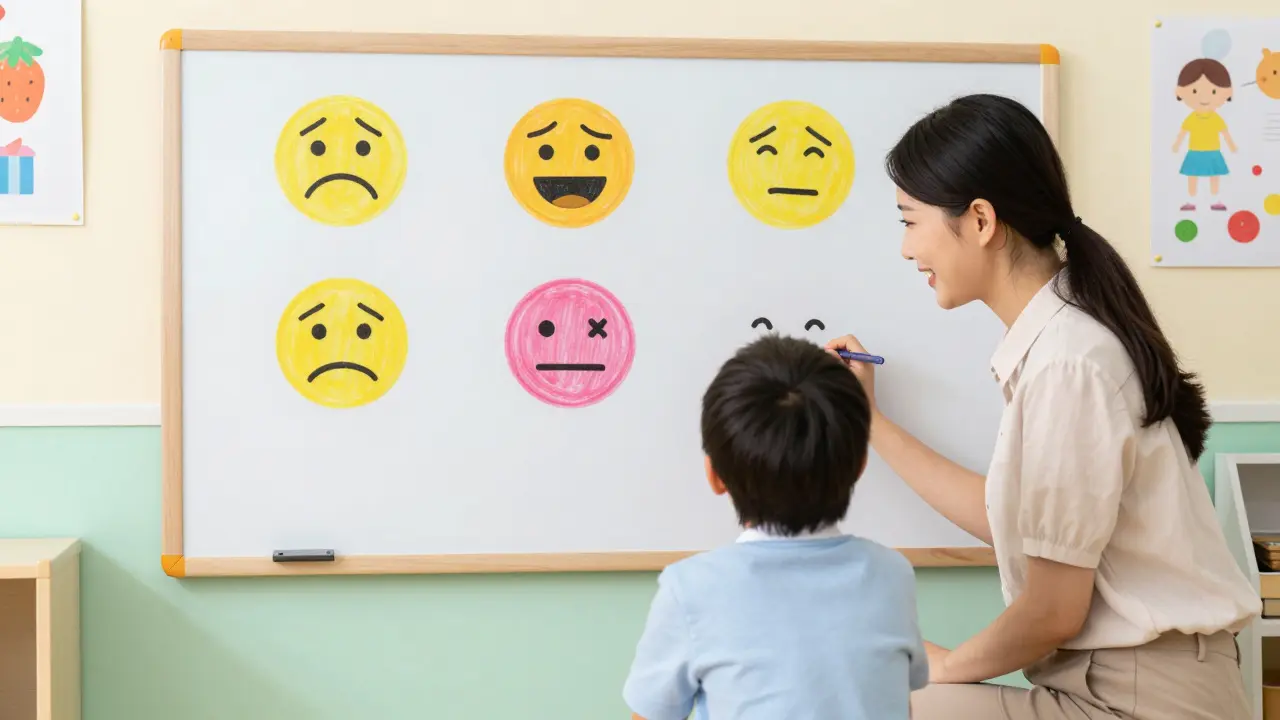
No. Children as young as five can learn to name emotions like sadness, anger, and anxiety. Schools that include emotional literacy in their curriculum report fewer behavioral issues and higher academic performance. Teaching kids that feelings aren’t bad-it’s how you handle them that matters-builds resilience before problems arise.
Why do some people still think mental health isn’t real?
It often comes from misunderstanding. If you can’t see a wound, you assume it’s not there. But the brain is an organ. Depression isn’t laziness. Anxiety isn’t overreacting. These are real, measurable conditions with biological, psychological, and social causes. Just like diabetes affects insulin, mental health conditions affect brain chemistry and function. The science is clear-it’s the stigma that’s outdated.
How do I help someone who doesn’t want help?
You can’t force someone to accept help. But you can stay present. Keep checking in. Say, "I’m here whenever you’re ready." Offer practical support-bring food, walk the dog, sit with them in silence. Sometimes, just knowing someone won’t leave is enough to keep them alive until they’re ready to reach out.