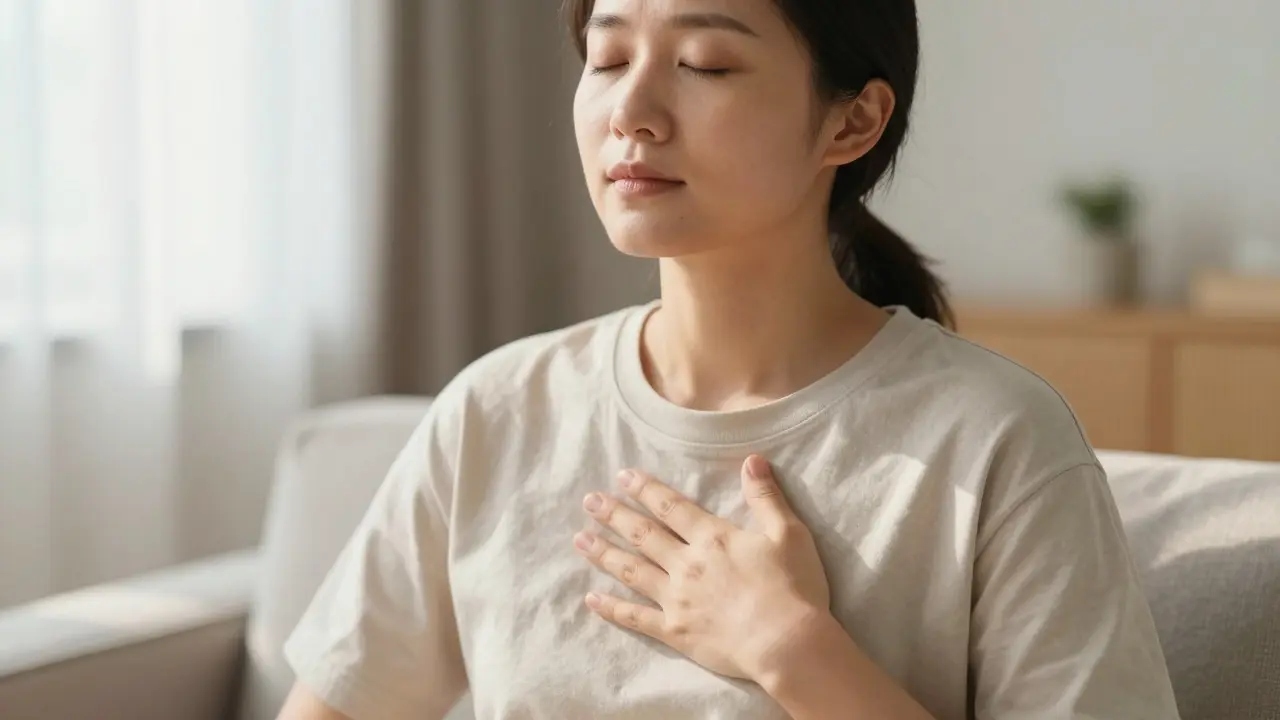
You feel it in your shoulders first. Then your jaw tightens. Your heart starts beating a little faster, not because you’re running, but because your mind is racing. This is the body’s alarm system going off when there is no actual tiger chasing you-just an email that needs answering or a deadline approaching. In our modern world, this state of high alert has become the default setting for many people. But what if you could flip a switch? What if you had tools to calm your nervous system on demand?
Relaxation techniques are not just about feeling good; they are physiological interventions. They signal to your brain that you are safe, allowing your body to shift from the sympathetic nervous system (fight or flight) to the parasympathetic nervous system (rest and digest). Mastering these methods can lower blood pressure, reduce anxiety, improve sleep, and help you think more clearly under pressure.
What is the most effective relaxation technique?
There is no single "best" technique for everyone, as effectiveness depends on individual preference and the type of stress. However, deep breathing exercises like diaphragmatic breathing are widely considered the most accessible and immediately effective method for reducing acute stress. For long-term resilience, combining physical relaxation with cognitive strategies like mindfulness meditation often yields the best results.
The Science Behind Calming Down
To understand why relaxation works, you need to look at the vagus nerve. This is the longest cranial nerve in your body, stretching from your brainstem to your colon. It acts as the main component of the parasympathetic nervous system. When you engage in slow, rhythmic breathing or gentle movement, you stimulate the vagus nerve. This stimulation releases acetylcholine, a neurotransmitter that slows down your heart rate and lowers cortisol levels.
Cortisol is the primary stress hormone. In small doses, it helps you wake up and respond to challenges. In chronic excess, it leads to inflammation, weight gain, and mental fog. Relaxation techniques do not eliminate stressors from your life-you will still have bills and traffic-but they change how your body responds to them. By regularly practicing these methods, you shorten the duration of your stress response, preventing it from becoming chronic.
Diaphragmatic Breathing: The Foundation
If you only learn one technique, make it diaphragmatic breathing, also known as belly breathing. Most people breathe shallowly into their chest when stressed, which signals danger to the brain. Diaphragmatic breathing reverses this process.
- Find a comfortable seated position or lie flat on your back.
- Place one hand on your chest and the other on your abdomen.
- Breathe in slowly through your nose, focusing on making the hand on your abdomen rise while keeping the hand on your chest still.
- Exhale slowly through pursed lips, as if blowing out a candle gently, letting the abdomen fall.
- Repeat for five to ten minutes.
This simple act forces your body to slow down. You cannot panic effectively while breathing deeply and rhythmically. It is a biological lockout mechanism for anxiety. Try doing this before a difficult conversation or right after waking up to set a calm tone for the day.
Progressive Muscle Relaxation (PMR)
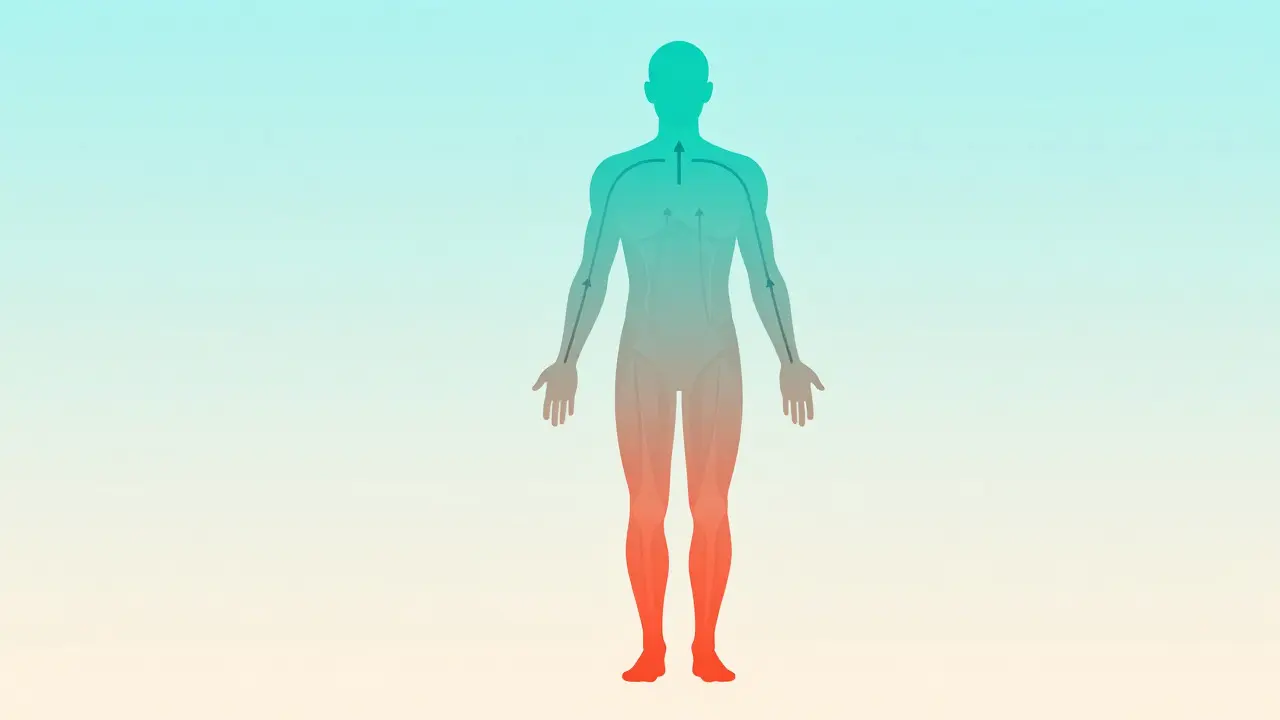
Sometimes, tension hides in places you don’t notice until it hurts. Progressive Muscle Relaxation, developed by physician Edmund Jacobson in the 1920s, helps you identify and release this hidden tension. The principle is simple: you tense a muscle group tightly for a few seconds, then suddenly release it, noticing the difference between tension and relaxation.
Start with your feet. Curl your toes downward and tense your calves for five seconds. Feel the strain. Now, let go completely for ten seconds. Notice the warmth and heaviness that follows. Move up to your thighs, squeezing them tight, then releasing. Continue up through your buttocks, abdomen, hands, arms, shoulders, neck, and finally your face. Scrunch your eyes shut and furrow your brow, then smooth it out.
This technique is particularly useful for people who carry stress physically. If you find yourself grinding your teeth or hunching over your keyboard, PMR can reset your muscular baseline. It takes about fifteen minutes to do a full body scan, but even spending two minutes on just your shoulders and neck can provide immediate relief during a work break.
Mindfulness Meditation: Observing Without Judgment
Meditation gets a bad reputation for being too spiritual or requiring hours of silence. Modern mindfulness meditation, however, is secular and practical. It is not about stopping your thoughts; it is about changing your relationship with them.
In mindfulness, you focus your attention on the present moment, usually by anchoring it to your breath or bodily sensations. When your mind wanders-and it will-you notice it without criticism and gently bring it back. This practice strengthens the prefrontal cortex, the part of the brain responsible for decision-making and emotional regulation, while shrinking the amygdala, the fear center.
You can practice mindfulness anywhere. While washing dishes, feel the warm water and the texture of the soap. While walking, notice the sensation of your feet hitting the ground. You don’t need an app or a cushion. The goal is to interrupt the cycle of rumination about the past or worry about the future. By staying in the now, you deprive anxiety of its fuel.
Visualization and Guided Imagery
Your brain has trouble distinguishing between vividly imagined experiences and real ones. This is why visualization is a powerful tool for athletes and performers, and it works equally well for stress reduction. Guided imagery involves creating a detailed mental scene of a peaceful place.
Close your eyes and imagine a location where you feel completely safe and relaxed. It could be a beach, a forest, or a cozy room. Engage all your senses. What do you smell? Salt air? Pine needles? What do you hear? Waves crashing? Birds singing? What does the temperature feel like on your skin? The more sensory details you add, the more real the experience becomes, and the more your body will relax in response.
This technique is excellent for sleep. If you lie awake worrying about tomorrow, visualize a boring, repetitive task like sorting mail or peeling potatoes. Or, better yet, drift mentally to your safe haven. It distracts the conscious mind and allows the subconscious to settle.
Physical Movement: Yoga and Tai Chi
For some people, sitting still to relax feels impossible. Their energy is trapped in their muscles. For these individuals, dynamic relaxation techniques are more effective. Yoga and Tai Chi combine slow, deliberate movement with breath control.
Yoga is a physical, mental, and spiritual practice that originated in ancient India. It uses postures (asanas) to stretch and strengthen the body while regulating breath. Styles like Hatha or Yin yoga are particularly relaxing, holding poses for longer periods to release deep tissue tension.
Tai Chi is often described as "meditation in motion." It consists of a series of slow, flowing movements performed in a continuous sequence. It improves balance, flexibility, and focus. Research has shown that regular Tai Chi practice can significantly reduce perceived stress and improve quality of life, especially in older adults. You don’t need to be flexible to start; both practices meet you where you are.
Creating a Personal Relaxation Toolkit
No single technique works for every situation. A busy parent might not have time for a twenty-minute meditation session during the day, but they can take three deep breaths in the car before entering the house. A student facing exam anxiety might benefit from progressive muscle relaxation before bed to ensure restful sleep.
Experiment with different methods. Keep a journal to track what works best for you. Note the time of day, your stress level, the technique used, and how you felt afterward. Over time, you will build a personalized toolkit. The key is consistency. Practicing for five minutes daily is more effective than once for an hour on Sunday. Make relaxation a habit, not a rescue mission.
| Technique | Time Required | Best For | Difficulty Level |
|---|---|---|---|
| Diaphragmatic Breathing | 1-5 minutes | Acute stress, anxiety attacks | Easy |
| Progressive Muscle Relaxation | 10-20 minutes | Physical tension, insomnia | Medium |
| Mindfulness Meditation | 5-30 minutes | Chronic stress, focus improvement | Medium-Hard |
| Guided Imagery | 5-15 minutes | Sleep aid, pain management | Easy |
| Yoga/Tai Chi | 20-60 minutes | General wellness, flexibility | Medium |
Overcoming Common Barriers
Many people try relaxation techniques and give up because they feel they aren't "doing it right." This is a common misconception. There is no perfect way to meditate or breathe. If your mind wanders, that’s normal. If you get frustrated, that’s also normal. The practice is in returning to the technique, not in achieving a state of perfect emptiness.
Another barrier is lack of time. Start small. Two minutes is enough to trigger the relaxation response. Set a reminder on your phone. Use triggers in your environment, like waiting for the coffee to brew or standing in line, as cues to take three deep breaths. Consistency matters more than duration.
Finally, remember that relaxation is a skill. Like learning to play guitar or cook a new recipe, it takes practice. Don’t judge your progress harshly. Be patient with yourself. Over weeks and months, you will notice that your baseline stress level drops, your reactions become less reactive, and you feel more in control of your life.
How long does it take for relaxation techniques to work?
Some techniques, like deep breathing, can produce immediate effects within minutes by slowing the heart rate. However, long-term benefits such as reduced anxiety and improved emotional regulation typically require consistent practice over several weeks. Studies suggest that practicing mindfulness for just ten minutes a day for eight weeks can lead to measurable changes in brain structure related to stress processing.
Can relaxation techniques replace medication for anxiety?
For mild to moderate anxiety, relaxation techniques can be highly effective and may reduce the need for medication. However, for severe anxiety disorders, they are often used as a complementary therapy alongside medication and psychotherapy. Always consult with a healthcare provider before making changes to your treatment plan.
Is it possible to relax too much?
It is rare to "over-relax," but some people may feel drowsy or lightheaded if they practice deep breathing too vigorously. This is usually temporary. Listening to your body is key. If a technique makes you feel worse, stop and try a different approach. Relaxation should feel comfortable, not forced.
What is the difference between mindfulness and meditation?
Meditation is a broad term that encompasses various practices aimed at training attention and awareness. Mindfulness is a specific type of meditation that focuses on non-judgmental awareness of the present moment. You can practice mindfulness without formal meditation, such as by being fully present during daily activities.
How can I incorporate relaxation into a busy schedule?
Integrate micro-practices into your existing routine. Take three deep breaths while brushing your teeth. Practice progressive muscle relaxation in the shower. Use guided imagery during your commute. These small moments add up and help maintain a lower baseline stress level throughout the day.