For decades, the scent of lavender was dismissed as a spa-day luxury, something to unwind with after work but never serious enough for a hospital room. That perception is shifting rapidly. Today, Aromatherapy is the practice of using plant-derived essential oils to support physical and psychological well-being. It is no longer just about smelling nice; it is increasingly finding its place within modern medicine, particularly in integrative care settings where patient comfort and holistic outcomes are prioritized alongside surgical precision and pharmaceutical intervention.
You might be wondering how inhaling vapor from a drop of oil can possibly impact complex medical conditions. The answer lies in the biology of smell and the chemistry of plants. This isn't magic; it's pharmacology meeting physiology. As we move further into 2026, hospitals and clinics are moving away from viewing aromatherapy as an alternative fringe therapy and toward treating it as a complementary tool that can reduce medication loads, lower stress hormones, and improve recovery times. Let’s look at what the data actually says, how it works in your body, and where it fits in today’s healthcare landscape.
How Essential Oils Interact With the Body
To understand why doctors are taking notice, you first need to understand the mechanism. When you inhale an essential oil, the aroma molecules travel up your nasal passages and hit the olfactory bulb. This part of your brain has direct neural pathways to the limbic system-the emotional center that controls memory, behavior, and heart rate. This is why a sudden whiff of rain or burnt toast can instantly trigger a memory or an emotion.
But it goes deeper than just feelings. Many essential oils contain volatile organic compounds (VOCs) like linalool, terpenes, and phenols. When these molecules enter the bloodstream through inhalation or skin absorption, they interact with cell membranes and receptors. For example, linalool, found in high concentrations in lavender, has been shown in studies to modulate GABA receptors in the brain, similar to how some anti-anxiety medications work, but without the heavy sedative side effects. This biological interaction is the bridge between a pleasant scent and a measurable clinical outcome.
Clinical Applications in Hospital Settings
The most robust evidence for aromatherapy in modern medicine comes from acute care environments. Here, the goal is often symptom management rather than cure. Hospitals are using specific protocols to address three major issues: anxiety, pain, and nausea.
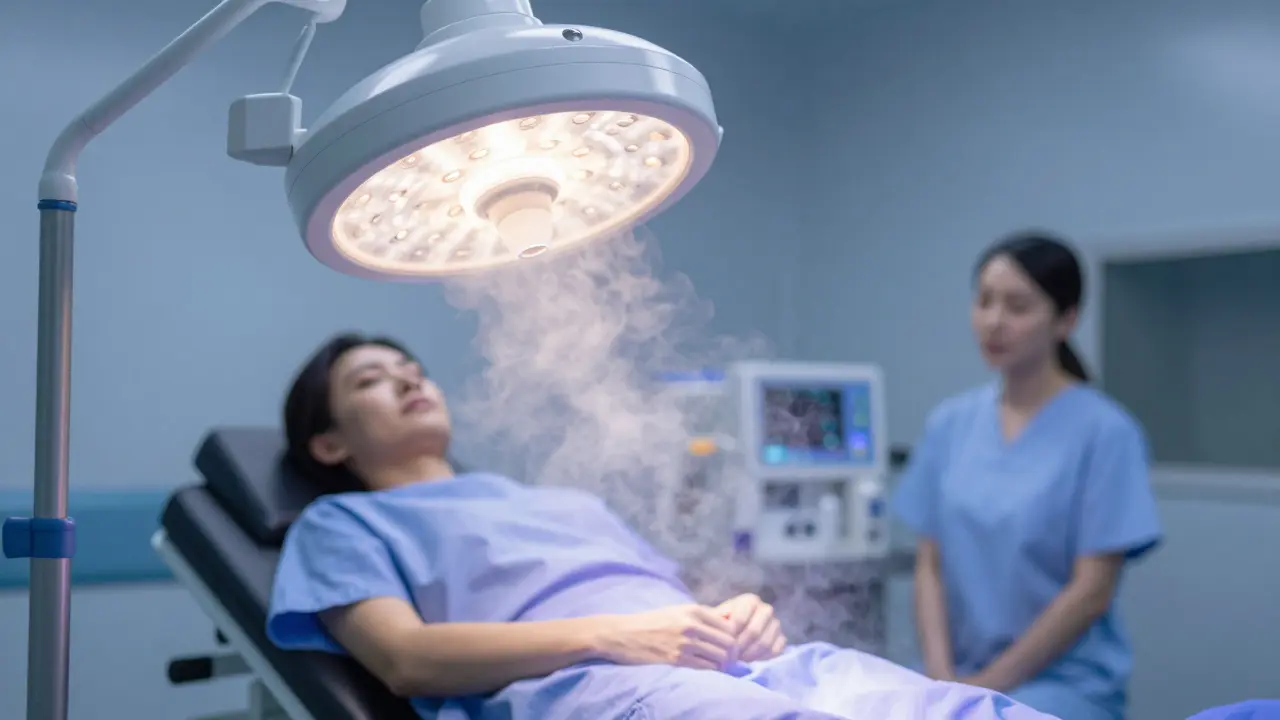
- Anxiety Reduction: Pre-operative anxiety is a massive issue. High cortisol levels can delay healing. Studies published in journals like the *Journal of Clinical Nursing* have consistently shown that patients who receive lavender or bergamot aromatherapy before surgery report significantly lower anxiety scores compared to those receiving standard care alone. In many UK and Australian hospitals, this is now part of the standard pre-op checklist.
- Pain Management: While essential oils won’t replace morphine for severe trauma, they are effective for mild to moderate pain. Peppermint oil, applied topically (diluted), has demonstrated efficacy in reducing tension headaches and migraines by relaxing muscle contractions around the temples. Similarly, chamomile and ylang-ylang are used post-surgery to help manage discomfort, allowing patients to use lower doses of opioids.
- Nausea Control: Post-operative nausea and vomiting (PONV) affects nearly 30% of surgical patients. Ginger and peppermint aromatherapy have emerged as powerful non-pharmacological interventions. A meta-analysis involving thousands of patients indicated that inhaling ginger oil reduced the incidence of PONV by nearly half compared to placebo groups.
The Rise of Integrative Oncology
Cancer care represents one of the fastest-growing areas for aromatherapy integration. Patients undergoing chemotherapy face intense side effects: fatigue, neuropathy, insomnia, and profound emotional distress. Conventional medicine treats the tumor, but integrative oncology treats the person.
In cancer centers across Europe and North America, aromatherapy massage is being used to combat cancer-related fatigue. Research suggests that combining massage with lavender and geranium oils improves sleep quality and reduces fatigue more effectively than massage alone. Furthermore, for patients experiencing chemotherapy-induced peripheral neuropathy (CIPN)-a painful tingling in hands and feet-topical applications of diluted ginger or turmeric oil are being explored for their anti-inflammatory properties. While not a cure for the neuropathy, these therapies provide significant symptomatic relief, improving the patient’s quality of life during treatment.

Mental Health and Neurological Support
Beyond the hospital walls, aromatherapy is gaining traction in mental health clinics and dementia care units. The connection between scent and memory is potent, especially for neurodegenerative conditions.
In dementia care, patients often experience "sundowning"-increased agitation and confusion in the late afternoon. Traditional responses involve sedatives, which carry risks of falls and cognitive decline. However, studies utilizing rosemary and lemon essential oils have shown a marked reduction in agitation levels. Rosemary, in particular, contains 1,8-cineole, a compound that may inhibit the breakdown of acetylcholine, a neurotransmitter linked to memory. While it doesn’t reverse Alzheimer’s, it helps maintain calm and orientation for longer periods.
For general anxiety and depression, aromatherapy serves as an adjunct therapy. It doesn’t replace antidepressants or psychotherapy, but it enhances them. Clinical trials indicate that regular use of citrus scents like sweet orange and grapefruit can elevate mood and reduce perceived stress levels, likely due to their ability to stimulate serotonin production. This makes them valuable tools in outpatient mental health settings where patients need accessible, low-risk coping mechanisms.
| Essential Oil | Key Active Compound | Primary Medical Application | Evidence Level |
|---|---|---|---|
| Lavender (Lavandula angustifolia) | Linalool, Linalyl acetate | Anxiety, Insomnia, Pre-op stress | High (Multiple RCTs) |
| Peppermint (Mentha piperita) | Menthol | Tension Headaches, Nausea, IBS | Moderate to High |
| Ginger (Zingiber officinale) | Gingerol, Zingerone | Chemotherapy-induced nausea, PONV | Moderate |
| Rosemary (Rosmarinus officinalis) | 1,8-Cineole | Dementia agitation, Cognitive focus | Moderate |
| Sweet Orange (Citrus sinensis) | Limonene | Mood elevation, Mild anxiety | Moderate |
Safety, Regulation, and Risks
If aromatherapy were truly harmless, everyone would be using it freely. But here is the hard truth: essential oils are concentrated chemical extracts. They are potent. Using them incorrectly can lead to skin burns, respiratory irritation, or even toxicity, especially in children and pets.
In modern medicine, safety is paramount. Unlike the wellness industry, where "more is better," clinical aromatherapy relies on precise dosing. Dilution rates are strictly controlled-typically 1-2% for adults, much lower for children and the elderly. Furthermore, drug interactions are a real concern. For instance, grapefruit oil can interfere with the metabolism of certain medications by inhibiting cytochrome P450 enzymes in the liver, potentially leading to dangerous drug buildup. St. John’s Wort oil can increase sensitivity to sunlight, causing severe burns.
Regulation remains a gray area. In many countries, including Australia and the US, essential oils are sold as cosmetics or supplements, not drugs. This means they aren’t held to the same rigorous purity standards as pharmaceuticals. Adulteration-mixing cheap synthetic fragrances with real oils-is common. For medical use, practitioners must source therapeutic-grade oils from reputable suppliers who provide Gas Chromatography/Mass Spectrometry (GC/MS) reports to verify purity. Without this verification, you’re not practicing medicine; you’re guessing.
The Future: Personalization and Technology
As we look ahead from 2026, the role of aromatherapy is becoming more personalized. Advances in genomics are helping us understand how individual genetic variations affect our sense of smell and our metabolic response to essential oils. What calms one person might agitate another based on their unique olfactory receptor profile.
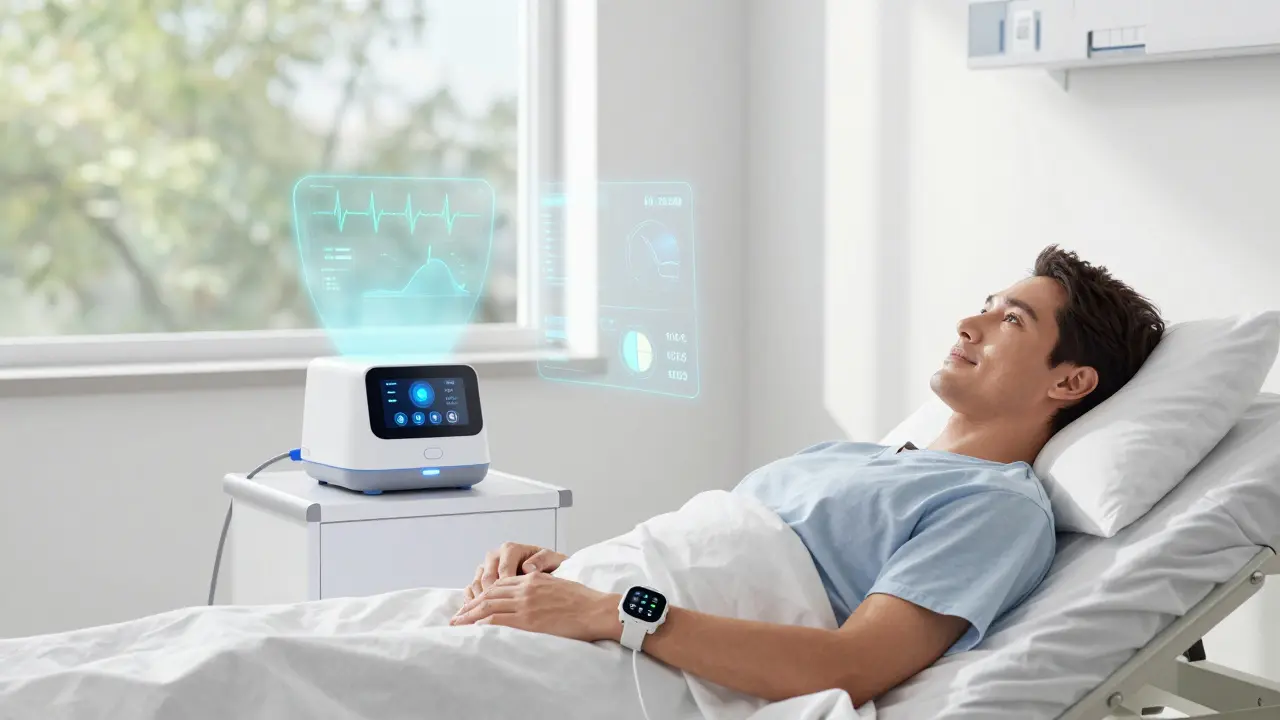
Technology is also changing delivery methods. We are seeing the rise of smart diffusers that integrate with wearable health monitors. If your heart rate variability indicates stress, the device automatically releases a calibrated dose of lavender or frankincense. This closed-loop system moves aromatherapy from a passive activity to an active, responsive medical intervention. Additionally, nano-emulsion technologies are allowing essential oils to be absorbed transdermally with greater efficiency, opening doors for localized pain relief without systemic side effects.
Integrating Aromatherapy Into Your Care Plan
If you want to leverage aromatherapy for health benefits, start with communication. Tell your doctor or specialist that you are interested in complementary therapies. Ask if there are any contraindications based on your current medications or conditions. Don’t self-prescribe for serious issues like chronic pain or severe anxiety without professional guidance.
Start simple. Use a single, well-researched oil like lavender for sleep or peppermint for headaches. Ensure proper dilution if applying to the skin. Keep a journal to track your responses-not just how you feel emotionally, but physiological changes like heart rate or sleep duration. Data matters. By tracking results, you turn a subjective experience into objective evidence that can inform your healthcare decisions.
Is aromatherapy covered by insurance?
Coverage varies widely by country and provider. In some regions, if prescribed by a licensed integrative medicine physician or used within a hospital setting, it may be partially covered. However, most private insurance plans do not cover over-the-counter essential oils or standalone aromatherapy sessions. Always check with your specific provider and ask for documentation of medical necessity if available.
Can essential oils replace prescription medication?
No. Aromatherapy is a complementary therapy, not a replacement for conventional medicine. It should be used alongside, not instead of, prescribed treatments. Stopping medication abruptly to rely solely on essential oils can be dangerous and life-threatening, especially for conditions like hypertension, diabetes, or severe mental health disorders.
Are there risks for pregnant women?
Yes. Some essential oils, such as clary sage, rosemary, and juniper, can stimulate uterine contractions or affect hormone levels. Pregnant women should consult their obstetrician before using any essential oils. Generally, diffusion is safer than topical application during pregnancy, but caution is still required.
How do I know if an essential oil is pure?
Look for brands that provide third-party testing results, specifically GC/MS reports. These documents detail the chemical composition of the oil, ensuring it hasn't been adulterated with synthetics or fillers. Reputable companies will make these reports easily accessible on their website or upon request.
What is the best way to use aromatherapy for sleep?
Lavender is the most researched oil for sleep. You can add 2-3 drops to a pillow spray, use a bedside diffuser 30 minutes before bed, or apply a diluted mixture to your wrists. Consistency is key; try it for at least two weeks to assess its effectiveness on your sleep cycle.