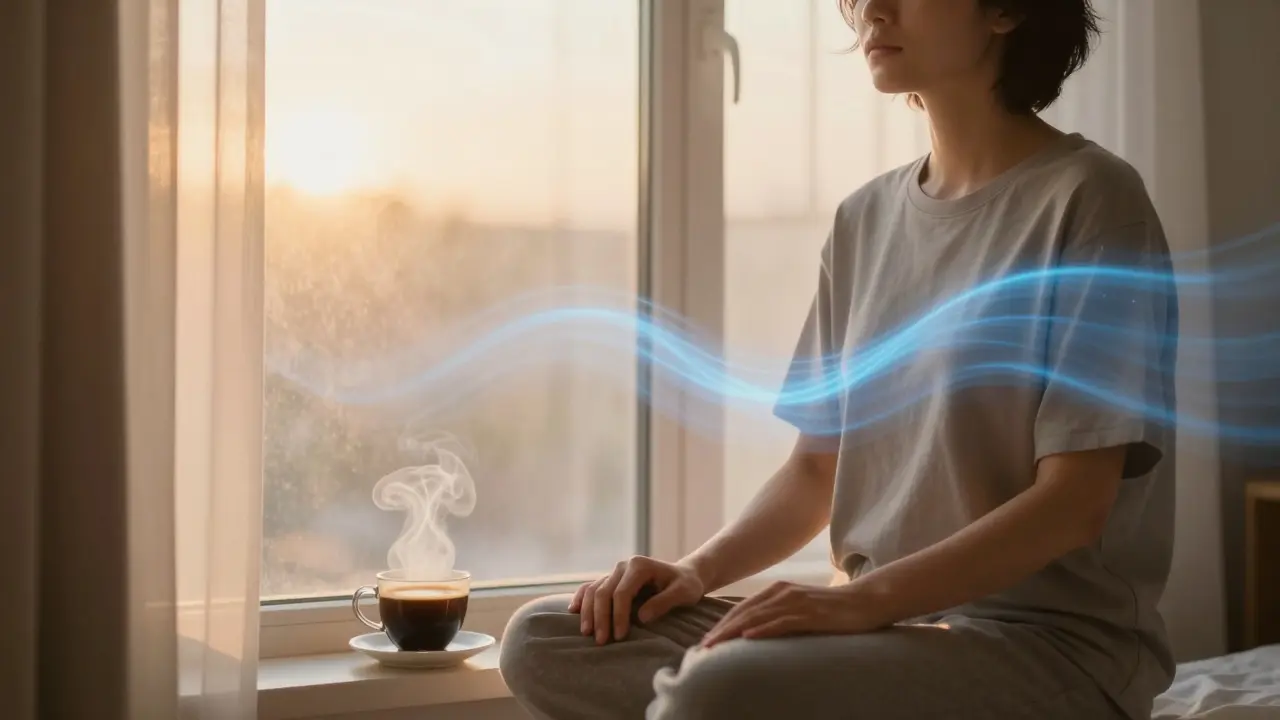
When was the last time you truly relaxed-really let go, with no agenda, no phone, no mental to-do list? If you can’t remember, you’re not alone. Most people think relaxation means watching TV or scrolling through social media. But those activities don’t reset your nervous system. They just distract it. True relaxation is a skill, and like any skill, it needs practice. The good news? You don’t need hours, expensive tools, or a spa day. Just a few minutes and the right techniques can bring your body back from fight-or-flight mode into calm, steady recovery.
Why Relaxation Isn’t Just a Luxury
Your body wasn’t designed for constant stress. Back in the Stone Age, stress meant running from a lion. Your heart pounded, your muscles tensed, your breathing sped up. Then, when the lion was gone, your body returned to normal. Today, stress comes from emails, traffic, bills, and endless notifications. Your body reacts the same way-but the lion never leaves. That’s why chronic stress leads to high blood pressure, trouble sleeping, irritability, and even weakened immunity. Relaxation techniques are your body’s reset button. They signal to your nervous system: you’re safe now.
Studies from the American Psychological Association show that people who practice daily relaxation techniques report 30% less anxiety and improved sleep quality within just two weeks. It’s not magic. It’s biology.
Deep Breathing: The Fastest Way to Calm Down
Of all the relaxation methods, deep breathing is the most accessible-and the most powerful. It works because your breath is the only bodily function you can control consciously, yet it directly influences your autonomic nervous system.
Try this simple method: 4-7-8 breathing. Inhale slowly through your nose for 4 seconds. Hold your breath for 7 seconds. Exhale completely through your mouth for 8 seconds. Repeat four times. That’s it. You don’t need to sit cross-legged or light candles. Do it while waiting for your coffee, stuck in traffic, or right before bed.
Why does this work? Holding your breath briefly increases carbon dioxide levels slightly, which triggers a calming response in your brain. The long exhale activates the vagus nerve-the main highway for your parasympathetic nervous system, the one responsible for rest and digestion. A 2022 study in Frontiers in Neurology found that participants who practiced 4-7-8 breathing daily for 30 days saw a 27% drop in cortisol levels.
Progressive Muscle Relaxation: Tension Is a Habit
Most people carry tension like a backpack they forgot they were wearing. Shoulders up to your ears. Jaw clenched. Fists tight. You don’t even notice it until you’re in pain.
Progressive muscle relaxation (PMR) teaches you to recognize that tension and release it on purpose. Here’s how:
- Start with your feet. Tense the muscles as hard as you can for 5 seconds-curl your toes, squeeze your soles.
- Suddenly let go. Notice the difference. Feel the warmth, the heaviness.
- Move up: calves, thighs, buttocks, abdomen, chest, hands, arms, shoulders, neck, face.
- Don’t rush. Spend 15-20 minutes total. Do this once a day, especially before bed.
A 2021 clinical trial from the University of California found that chronic insomnia patients who used PMR for four weeks reduced their time to fall asleep by 42%. It also cut nighttime awakenings in half. You’re not just relaxing muscles-you’re rewiring your brain to stop holding onto stress.
Mindfulness: Being Present Is the Antidote to Overthinking
Mindfulness doesn’t mean emptying your mind. It means noticing what’s happening without judging it. You’re not trying to stop thoughts. You’re learning to watch them like clouds passing.
Start small. Pick one routine activity: brushing your teeth, washing dishes, walking to your car. Focus entirely on the sensations. The cool water on your hands. The sound of the toothbrush. The rhythm of your steps. When your mind wanders (and it will), gently bring it back. No scolding. No frustration. Just return.
Research from Harvard Medical School shows that eight weeks of daily mindfulness practice shrinks the amygdala-the brain’s fear center-and thickens the prefrontal cortex, where rational thinking lives. That means less panic, better focus, and fewer emotional overreactions. You don’t need an app or a guru. Just five minutes a day, done consistently.
Guided Imagery: Your Brain Believes What You Imagine
Have you ever felt real fear watching a scary movie? Or warmth imagining a sunny beach? Your brain doesn’t distinguish between real and imagined sensory experiences. That’s why guided imagery works so well.
Close your eyes. Picture a place where you feel completely safe and calm. Maybe it’s a quiet forest, a beach at dawn, or your childhood reading nook. Engage all five senses. What do you hear? Birds? Waves? The creak of a wooden floor? What do you smell? Pine trees? Salt air? Old books? Feel the temperature. Notice the light. Stay there for five minutes.
A 2023 meta-analysis in the Journal of Clinical Psychology showed that guided imagery reduced anxiety levels in hospital patients by 51% compared to those who received no intervention. Even cancer patients using it before chemotherapy reported less nausea and fear. You’re not escaping reality-you’re giving your nervous system a safe space to heal.
Body Scan Meditation: Tuning Into Physical Signals
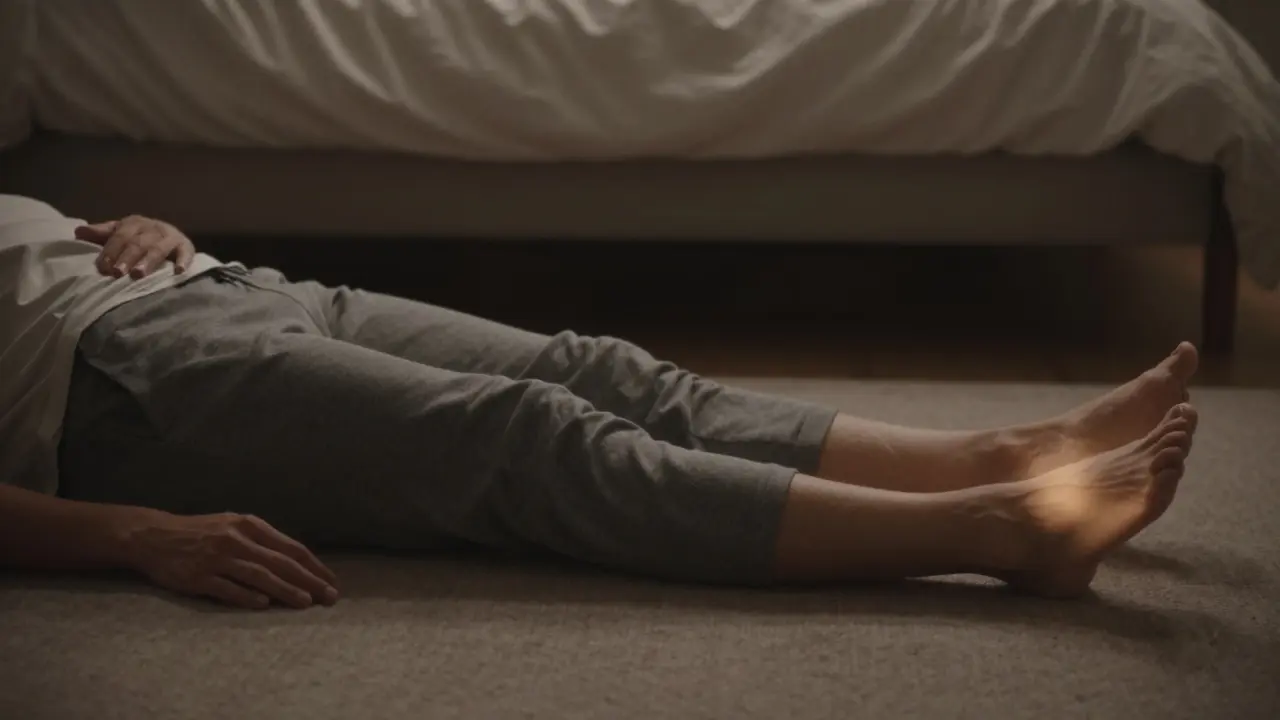
This is mindfulness with a focus on physical sensation. Lie down or sit comfortably. Bring your attention to your toes. Notice any tingling, warmth, pressure, or numbness. Don’t try to change anything. Just observe. Slowly move your awareness up your body-ankles, calves, knees, thighs, hips, belly, chest, arms, hands, neck, face.
When you reach your head, pause. Feel the weight of your skull on the pillow. Notice your breath moving in and out. If your mind drifts, gently return. This isn’t about relaxation-it’s about awareness. And awareness is the first step to releasing tension you didn’t even know you had.
People who do body scans daily for four weeks report feeling more grounded, less reactive, and more connected to their bodies. It’s especially helpful if you’ve ever felt disconnected from your physical self-like you’re living in your head.
What Doesn’t Work (And Why)
Not all relaxation methods are created equal. Some popular ideas actually backfire.
- Alcohol or drugs might make you feel relaxed, but they disrupt sleep cycles and increase anxiety the next day.
- Overworking as a distraction? That’s avoidance, not relief. Your body still holds the stress.
- Watching intense TV or gaming can overstimulate your brain instead of calming it.
- Trying too hard to relax? That’s another form of stress. The goal isn’t to achieve perfect calm-it’s to notice what’s happening without forcing change.
Relaxation isn’t about fixing yourself. It’s about giving yourself permission to be still.
Building a Personal Relaxation Routine
You don’t need to do all of these every day. Pick one or two that feel natural. Try them for two weeks. Track how you feel.
Here’s a simple weekly plan:
- Mondays: 4-7-8 breathing for 3 minutes after waking up
- Tuesdays: Body scan before bed (10 minutes)
- Wednesdays: Mindful walk-no headphones, just walking
- Thursdays: Progressive muscle relaxation (15 minutes)
- Fridays: Guided imagery while waiting for dinner to cook
- Saturdays: Try something new-a warm bath, humming, or listening to nature sounds
- Sundays: No scheduled relaxation. Just notice what you naturally gravitate toward
Consistency beats intensity. Five minutes daily is better than an hour once a month.
When to Seek Help
Relaxation techniques are powerful, but they’re not a cure-all. If you’re constantly overwhelmed, unable to sleep, or feel emotionally numb for weeks, you may be dealing with anxiety, depression, or burnout. These aren’t signs of weakness-they’re signals that your system is overloaded. Talking to a therapist or doctor isn’t giving up. It’s upgrading your toolkit.
There’s no shame in needing more support. The goal isn’t to be perfectly calm all the time. It’s to have tools that help you bounce back faster.
Can relaxation techniques really change my brain?
Yes. Neuroimaging studies show that regular relaxation practices, like mindfulness and deep breathing, physically change brain structure. The amygdala, which drives fear and stress, shrinks. The prefrontal cortex, responsible for calm decision-making, thickens. These changes are measurable after just 8 weeks of consistent practice. It’s not theoretical-it’s science.
How long until I feel the effects of relaxation techniques?
You might feel calmer after one session, especially with deep breathing or guided imagery. But lasting changes-better sleep, less reactivity, lower stress hormones-take about two to four weeks of daily practice. Think of it like building muscle. One push-up won’t change your body. But 10 minutes a day for a month? That’s transformative.
Do I need to meditate to relax?
No. Meditation is one tool, but not the only one. Progressive muscle relaxation, deep breathing, and even mindful walking count as relaxation techniques. You don’t need to sit still or chant. If sitting still feels impossible, try moving relaxation-stretching, yoga, or walking while noticing your steps. The goal is awareness, not posture.
What if I fall asleep during relaxation?
That’s okay. Especially if you’re sleep-deprived. Your body is telling you it needs rest. If you’re practicing before bed, falling asleep means it’s working. If you’re trying to relax during the day and keep nodding off, try doing it sitting up, or right after a light snack. Don’t judge yourself-sleep is a form of healing.
Can children or older adults use these techniques?
Absolutely. Deep breathing and guided imagery work for kids as young as five. For older adults, progressive muscle relaxation helps with joint stiffness and sleep issues. These techniques are adaptable. A child might imagine a favorite cartoon character in a calm place. An older adult might focus on the warmth of a blanket. The method adjusts to the person-not the other way around.
Relaxation isn’t about escaping life. It’s about returning to yourself-calmer, clearer, and more in control. You’ve been through a lot. You deserve to rest, not just survive.