Let’s be real-most people set health goals and quit before the month ends. You start with a clean fridge, a gym membership, and a motivational quote on your phone. Then life happens. Work piles up. Sleep disappears. The pizza delivery app becomes your best friend. It’s not that you lack willpower. It’s that most advice is too vague. "Drink more water." "Exercise more." "Eat clean." That’s not a plan. That’s a wish. Here’s what actually works, based on real people who stuck with it-not the influencers with perfect lighting.
Start with one habit, not five
You don’t need to overhaul your entire life on January 1st. That’s how you burn out. Instead, pick one tiny habit and nail it for 30 days. Not "I’ll work out five times a week." Not "I’ll eat only salads." Try this: "I’ll walk 20 minutes after dinner every night." That’s it. No exceptions. Rain or shine, tired or busy-you walk. After 30 days, you’ll notice changes: better sleep, less bloating, more energy. And here’s the secret-you’ll naturally start adding more. Your brain starts believing you’re the kind of person who follows through. That’s when real change begins.
A study from the University of College London tracked 96 people trying to build new habits. Those who focused on one small habit were 3x more likely to stick with it after six months than those trying to change five things at once. The magic isn’t in the number of goals-it’s in the consistency of one.
Food is fuel, not a reward or punishment
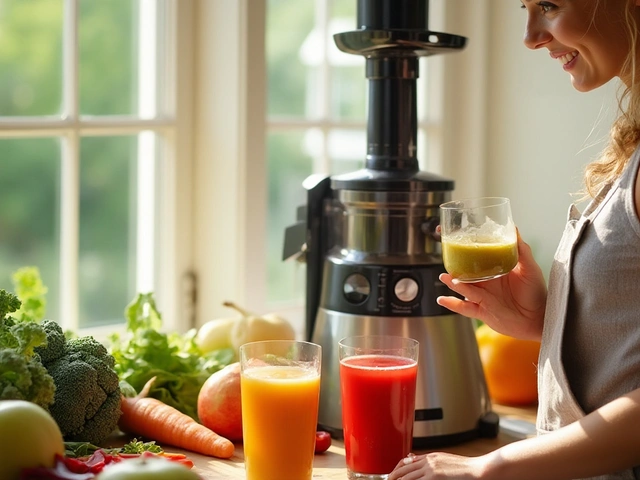
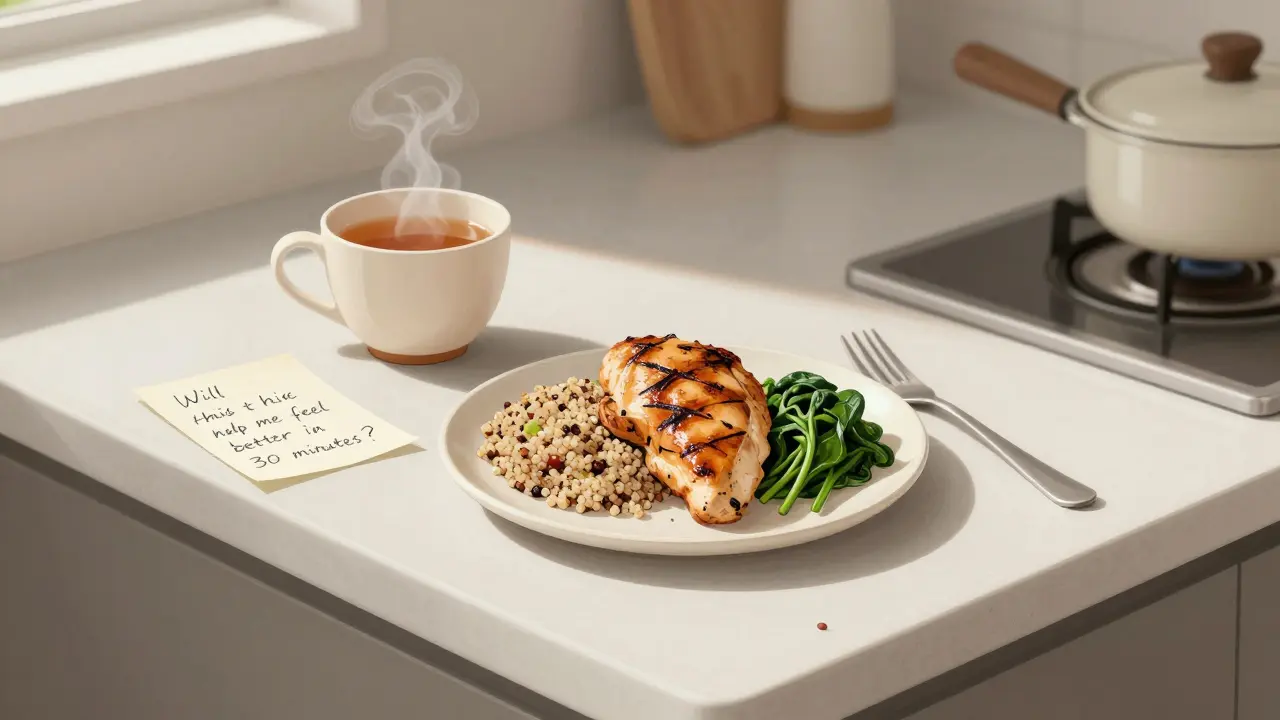
Stop labeling food as "good" or "bad." That mindset sets you up for guilt and binge cycles. Instead, think in terms of energy. What does your body need right now? If you’re tired after work, you need protein and complex carbs-not a sugar crash from a cookie. If you’re stressed, you need magnesium-rich foods like spinach, almonds, or dark chocolate (yes, really).
Try this: Before you eat, ask, "Will this help me feel better in 30 minutes?" If the answer is no, pause. Maybe you’re bored. Maybe you’re anxious. Maybe you just need a glass of water. Food isn’t the enemy. The emotional trigger is. Learn to read your body’s signals instead of your emotions. You’ll stop overeating not because you’re on a diet, but because you finally know what your body actually needs.
Sleep isn’t optional-it’s your performance enhancer
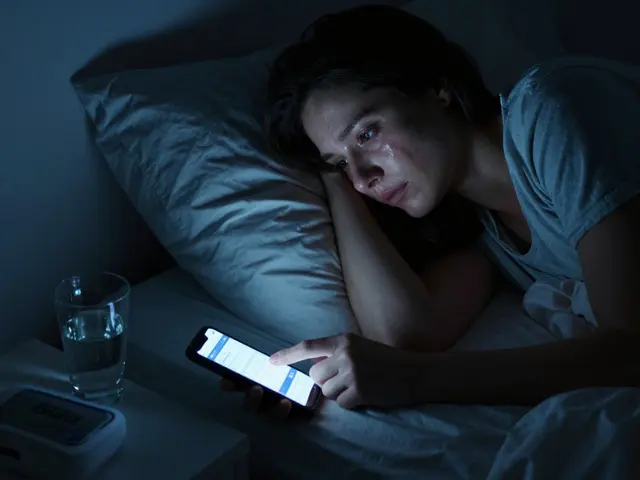
You can eat perfectly, hit the gym daily, and still feel like garbage if you’re not sleeping. Sleep isn’t downtime. It’s when your body repairs muscle, balances hormones, and clears brain fog. If you’re consistently tired, it’s not because you’re lazy. It’s because your sleep quality is broken.
Here’s what works for most people in Brisbane: Set a bedtime alarm-not a wake-up alarm. Turn off screens 45 minutes before bed. Use dim, warm lighting. Keep your bedroom cool (around 18°C). No phones. No work emails. If you can’t fall asleep, get up, read a book under a dim lamp, and come back when you’re sleepy. No more than 20 minutes out of bed. Do this for 10 days straight. You’ll notice the difference in focus, mood, and cravings. One person I know lost 4kg in six weeks-not because she dieted, but because she started sleeping 7 hours instead of 5.

Move like you mean it, not like you’re checking a box
Forget the 10,000-step myth. Step counters don’t tell you if you’re moving with purpose. You could walk 10,000 steps shuffling around the house and still be sedentary. What matters is movement that challenges you.
Find something that makes you feel alive. Maybe it’s dancing in your living room. Maybe it’s climbing stairs at the park. Maybe it’s lifting weights twice a week. The key? It has to be something you look forward to, not dread. If you hate the treadmill, don’t do it. Try swimming, cycling, or even gardening. The goal isn’t to burn calories-it’s to build a habit that sticks. Movement should make you feel stronger, not exhausted. When you move because you enjoy it, you don’t need motivation. You just do it.
Research from the American College of Sports Medicine shows people who enjoy their exercise routine are 50% more likely to stick with it long-term than those who force themselves through workouts they hate.
Track progress, not perfection
Most people quit because they think progress has to look like a dramatic transformation. Weight loss. Six-pack abs. Running a marathon. But real health isn’t about how you look-it’s about how you feel. So stop obsessing over the scale. Start tracking energy, mood, sleep, and consistency.
Keep a simple journal: Every night, write down one thing that went well. "I slept 7 hours." "I drank water instead of soda." "I walked even though I was tired." That’s it. No numbers. No comparisons. Just evidence that you’re showing up. Over time, you’ll see patterns. You’ll notice that on days you sleep well, you make better food choices. On days you move, you’re less anxious. That’s your real progress. It’s not visible in the mirror. It’s in your daily life.
One woman I spoke to in Brisbane stopped weighing herself for six months. She started journaling her energy levels. Within three months, she dropped 8kg-not because she cut carbs, but because she stopped stressing about perfection. She was finally free.
Crushing your health goals isn’t about willpower. It’s about building systems so small they’re impossible to fail. One walk. One good night’s sleep. One mindful meal. Do those every day, and you’ll wake up one morning and realize-you didn’t just reach your goal. You became the kind of person who doesn’t need goals anymore. Because now, health is just how you live.