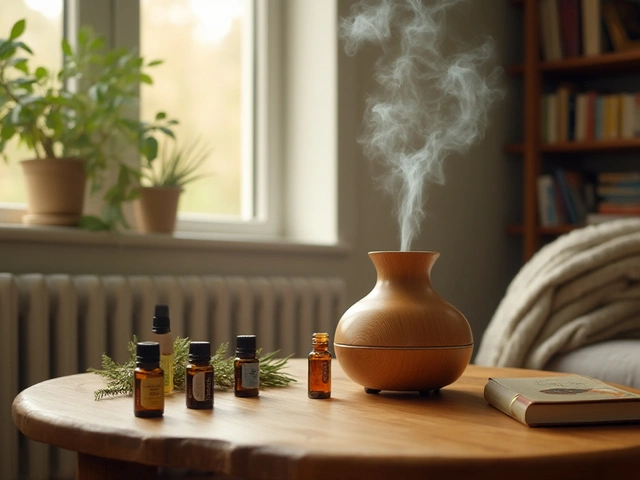
Walk into a high-end spa or a boutique hotel lobby in Orlando, and you likely catch a faint scent of lavender or eucalyptus. That subtle fragrance isn't just decoration; it is the modern echo of a practice that stretches back thousands of years. Aromatherapy is the use of plant extracts, specifically essential oils, to promote health and well-being through inhalation or topical application. While often grouped with alternative medicine, its roots are deeply embedded in ancient history, from Egyptian embalming rituals to traditional Chinese medicine.
You might wonder if this is just a trendy wellness fad or if there is actual substance behind the scents. The answer lies in understanding how your body processes these molecules. It is not magic, but it is biology. When you inhale an aroma, the scent molecules travel to your brain’s limbic system, which controls emotions and memory. This direct line explains why a smell can instantly shift your mood or trigger a vivid recollection. Understanding this mechanism helps you move beyond guesswork and start using these tools intentionally.
The Ancient Roots of Scent Therapy
To appreciate what aromatherapy is today, you have to look at where it started. Long before laboratories synthesized fragrances, civilizations relied on plants for healing. In ancient Egypt, people used resins like frankincense and myrrh in religious ceremonies and medical treatments. They believed these scents had spiritual power, but they also observed their physical effects. For instance, cedar oil was used to preserve mummies because of its antimicrobial properties, effectively preventing decay.
In China, the tradition was different but equally profound. Traditional Chinese Medicine (TCM) incorporated aromatic herbs into acupuncture and herbal teas. Practitioners used scents to balance the body's energy, or "qi." Similarly, in India, Ayurveda utilized turmeric, sandalwood, and other botanicals to treat ailments ranging from digestive issues to skin conditions. These weren't isolated incidents; they were systematic approaches to using nature's chemistry for health.
The term "aromatherapy" itself didn't appear until the early 20th century. French chemist René-Maurice Gattefossé is often credited with popularizing the concept. In 1937, after suffering burns in his laboratory, he instinctively dipped his hands into a nearby bottle of lavender oil. He found that the burn healed quickly without scarring. This anecdote sparked his research into the therapeutic properties of essential oils, laying the groundwork for the industry we see today.
How Your Brain Processes Scents
Why does a smell hit you harder than a sound or a sight? The answer is anatomical. Most sensory information goes through the thalamus, a relay station in the brain, before reaching conscious awareness. Smell skips this step. Olfactory receptors in your nose send signals directly to the Olfactory Bulb, which connects directly to the Limbic System.
The limbic system is responsible for processing emotions, forming memories, and regulating hormones. This direct connection means that aromatherapy can influence your physiological state rapidly. For example, inhaling peppermint oil stimulates the sympathetic nervous system, increasing alertness. Conversely, lavender oil tends to activate the parasympathetic nervous system, promoting relaxation. This isn't placebo; it's a measurable response in heart rate and cortisol levels.
However, context matters. Your personal history shapes your reaction. If you associate the smell of lemon with cleaning, it might make you feel energized and productive. If you associate it with a bad experience, it could cause stress. This subjectivity is why aromatherapy works best when tailored to individual preferences rather than following rigid rules.

Choosing the Right Essential Oils
With hundreds of essential oils available, choosing the right one can feel overwhelming. You don't need them all. Start with a few versatile options that cover common needs. Here are some staples and what they do:
- Lavender Oil: Known for calming effects. Good for sleep, anxiety, and minor skin irritations. It is generally safe for most people and children over two years old when diluted.
- Eucalyptus Oil: Strong and refreshing. Often used for respiratory congestion and mental clarity. Avoid using it near the face of infants under six months due to potential breathing issues.
- Peppermint Oil: Invigorating and cooling. Helpful for headaches, focus, and digestion. Always dilute it before applying to skin, as it can be irritating in high concentrations.
- Tea Tree Oil: Antimicrobial and antifungal. A go-to for acne spot treatment and nail fungus. Never ingest it, as it can be toxic if swallowed in large amounts.
- Bergamot Oil: Citrusy and uplifting. Used for mood enhancement and stress relief. Note that some citrus oils are phototoxic, meaning they can cause skin sensitivity to sunlight. Wait 12 hours before sun exposure if applied topically.
Quality matters more than brand name. Look for oils labeled as "100% pure" or "therapeutic grade." Check if they list the Latin name of the plant (e.g., *Lavandula angustifolia* for lavender). This ensures you know exactly what species you are buying, as different varieties have different chemical profiles.
Methods of Application
There are three main ways to use essential oils: inhalation, topical application, and baths. Each method has specific benefits and safety considerations.
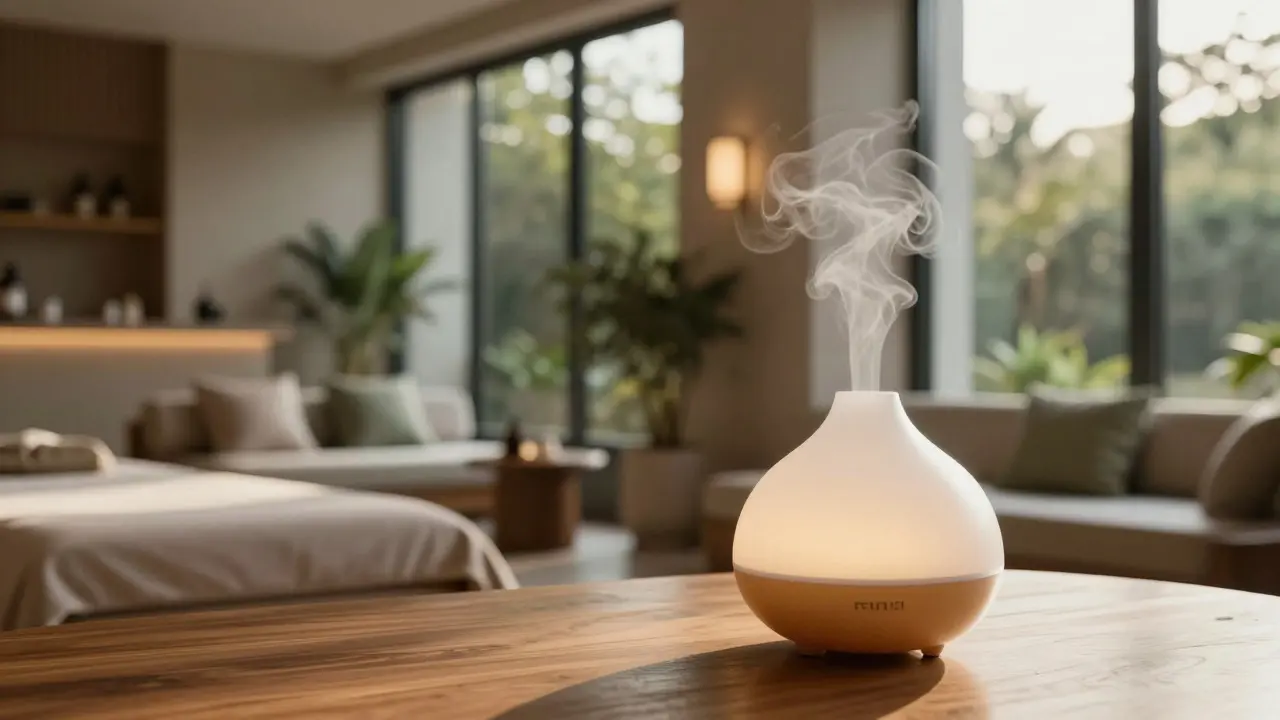
- Inhalation: The safest and easiest method. You can sniff directly from the bottle, add drops to a diffuser, or put a drop on a tissue. Diffusers disperse the oil into the air, affecting everyone in the room. Ultrasonic diffusers are popular because they use water and mist, reducing the risk of fire associated with heat-based nebulizers.
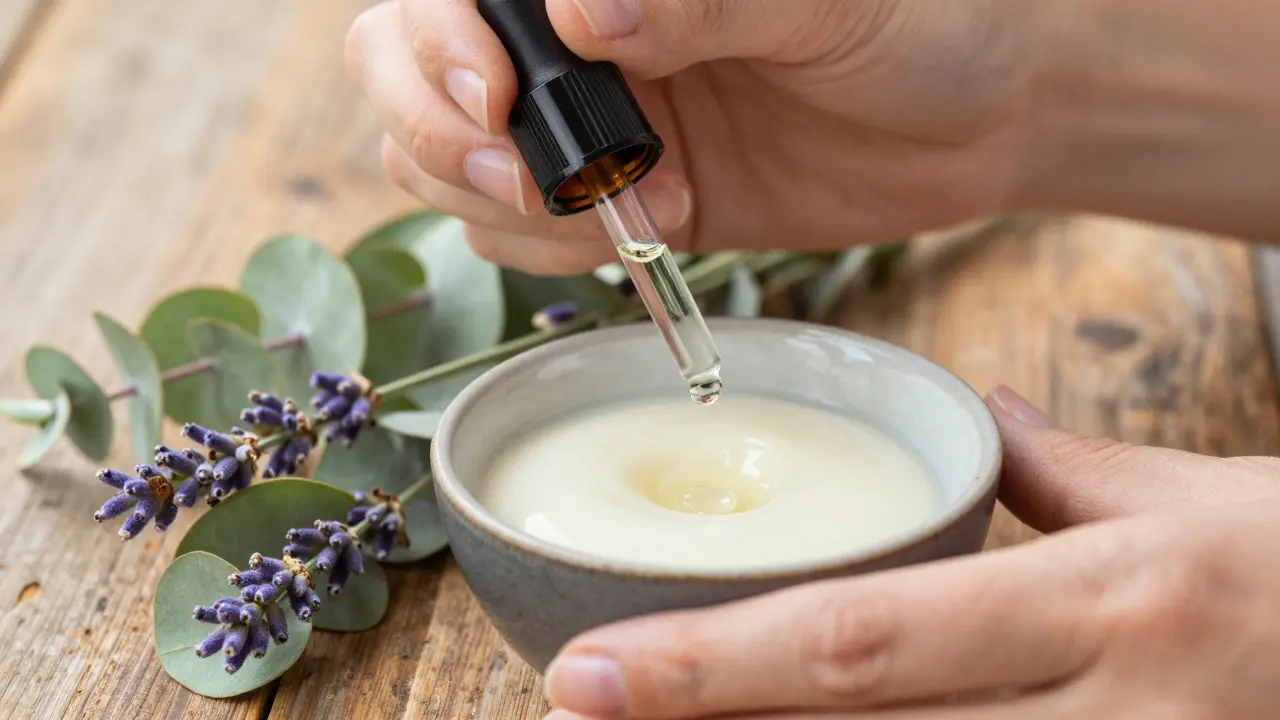
- Topical Application: Applying oil to the skin requires caution. Essential oils are highly concentrated and can cause burns or irritation if used undiluted. Mix them with a carrier oil like jojoba, almond, or coconut oil. A standard dilution ratio is 2-5% for adults (about 12-30 drops per ounce of carrier oil). Test a small patch of skin first to check for allergic reactions.
- Baths: Adding oils to bathwater sounds simple, but water doesn't mix with oil. To ensure even distribution and prevent slipping, mix the essential oil with a dispersant like milk, honey, or a solubilizer before adding it to the tub. Limit bath time to 15-20 minutes to avoid drying out your skin.
Safety and Common Pitfalls
Just because something is natural doesn't mean it's harmless. Essential oils are potent chemicals produced by plants to protect themselves. Humans can react to them too. Here are the most common mistakes people make:
- Skipping Dilution: Applying undiluted clove or cinnamon bark oil to skin can cause chemical burns. Always dilute unless directed otherwise by a professional.
- Ignoring Phototoxicity: Citrus oils like lime, lemon, and bergamot can blister skin if exposed to UV light. If you apply them topically, stay out of direct sunlight for 12 hours.
- Mixing Too Many Oils: Using five or six different oils in one blend can overwhelm your senses and increase the risk of sensitization. Stick to 2-3 complementary oils.
- Using on Pets Without Care: Cats lack certain liver enzymes to process terpenes found in many oils. Tea tree and citrus oils can be toxic to cats. Dogs are more tolerant but still require lower doses. Always consult a vet before using aromatherapy around pets.
- Expecting Instant Cures: Aromatherapy is a supportive therapy, not a replacement for medical treatment. It works best as part of a holistic routine.
Building Your Personal Routine
You don't need a complex setup to benefit from aromatherapy. Start small. Pick one goal, such as better sleep or reduced stress, and choose one or two oils aligned with that goal. Create a consistent habit. For example, diffuse lavender for 30 minutes before bed or apply a diluted chamomile blend to your temples during a headache.
Keep a journal. Note which scents you enjoy, how long you use them, and any changes in your mood or symptoms. This data helps you refine your practice. Over time, you'll develop an intuition for what works best for your body. Remember, consistency is key. One session won't change your life, but a daily practice will.
Is aromatherapy scientifically proven?
Yes, partially. Research supports the use of certain essential oils for specific purposes, such as lavender for anxiety and peppermint for headaches. The mechanism involves the olfactory system's direct link to the limbic system. However, it is considered a complementary therapy, not a standalone cure for serious medical conditions.
Can I use essential oils if I am pregnant?
Generally, yes, but with caution. Avoid strong, heavy oils during the first trimester. Lavender and sweet orange are often considered safe. Always consult your healthcare provider before starting any new regimen, especially if you have pre-existing conditions or are taking medication.
What is the difference between essential oil and fragrance oil?
Essential oils are extracted from plants and retain their chemical composition. Fragrance oils are synthetic blends designed to mimic scents. While fragrance oils are fine for perfumes, essential oils are preferred for therapeutic use due to their natural bioactive compounds.
How long should I run a diffuser?
Most experts recommend running a diffuser for 30 to 60 minutes at a time, followed by a break. Continuous diffusion can lead to olfactory fatigue, where you stop noticing the scent, and may dry out the air in your home.
Do essential oils expire?
Yes. Most essential oils last 1-2 years, while citrus oils degrade faster, often within 6-12 months. Store them in dark glass bottles away from heat and light to extend their shelf life. If the scent changes significantly or becomes sharp, it may be oxidized.