The goal is to find foods that combine protein, fiber, and healthy fats. When you eat just a piece of fruit, your blood sugar spikes and then crashes, leaving you hungry an hour later. But when you pair that apple with a bit of almond butter, you slow down digestion and stay satisfied longer. This is the core of healthy snacks for weight loss: focusing on nutrient density over empty calories.
Quick Guide: What Makes a Weight-Loss Snack?
- High Volume: Foods that take up a lot of space in your stomach but have few calories (like leafy greens or cucumber).
- Protein-Packed: Elements that suppress the hunger hormone ghrelin (like Greek yogurt or eggs).
- Fiber-Rich: Complex carbs that keep your insulin levels stable (like chia seeds or berries).
The Protein Powerhouses
If you want to stop mindless munching, start with protein. It takes more energy for your body to digest protein than fats or carbs, and it keeps you feeling full for hours.
Greek Yogurt is a concentrated source of protein and probiotics, containing significantly more protein per serving than regular yogurt. A 5-ounce serving of plain non-fat Greek yogurt packs about 15-20 grams of protein. To keep it weight-loss friendly, skip the pre-flavored cups which are often sugar bombs. Instead, stir in a handful of blueberries or a dash of cinnamon. The probiotics also help with gut health, which research from the American Journal of Clinical Nutrition suggests is linked to easier weight management.
Then there are Hard-Boiled Eggs, which are essentially nature's portable protein pods. One large egg contains roughly 78 calories and 6 grams of high-quality protein. They are incredibly versatile; you can sprinkle them with paprika or a pinch of sea salt. Because they contain a healthy dose of choline and leucine, they help maintain lean muscle mass while you lose fat.
For those who prefer a plant-based route, Edamame is a game-changer. These young soybeans are a complete protein, meaning they provide all nine essential amino acids. A cup of steamed edamame offers about 18 grams of protein and 8 grams of fiber. That fiber-protein duo is a double-whammy for satiety, making it nearly impossible to overeat them.
Low-Calorie Volume Eaters
Sometimes you just need to chew. When the urge to snack is more about boredom or habit than actual hunger, go for "volume eating." This means eating large quantities of food that have very few calories.
Cucumber Slices with vinegar and lemon are virtually calorie-free. Cucumbers are mostly water, which helps with hydration-a key factor since the brain often confuses thirst with hunger. Try slicing them thinly and topping them with a sprinkle of Tajín or a drizzle of apple cider vinegar for a tangy kick that wakes up your taste buds without adding calories.
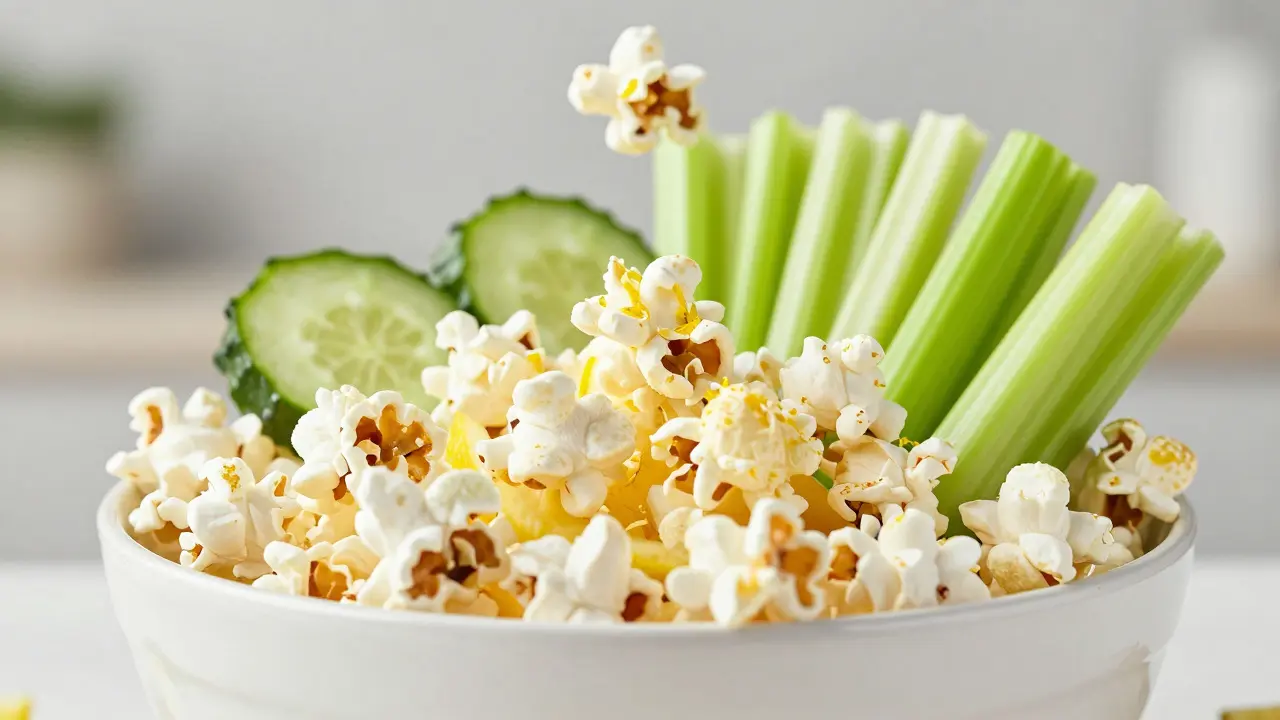
Another fantastic option is Air-Popped Popcorn. As long as you avoid the movie-theater butter, popcorn is a whole-grain snack that provides a surprising amount of fiber. Three cups of air-popped popcorn have only about 90 calories. Instead of butter, try nutritional yeast for a cheesy flavor and an extra boost of B vitamins.
If you crave something crunchy, Celery Sticks paired with a small amount of hummus are the way to go. Celery is a classic low-calorie vegetable, and Hummus (a dip made from cooked, mashed chickpeas blended with tahini, lemon juice, and garlic) provides the healthy fats and protein needed to make the snack satisfying. Just watch the portion size of the hummus-two tablespoons is usually plenty.
Satiating Fats and Fiber
Don't be afraid of fats. While they are higher in calories, they trigger the release of hormones that tell your brain you're full. The trick is moderation and choosing the right sources.
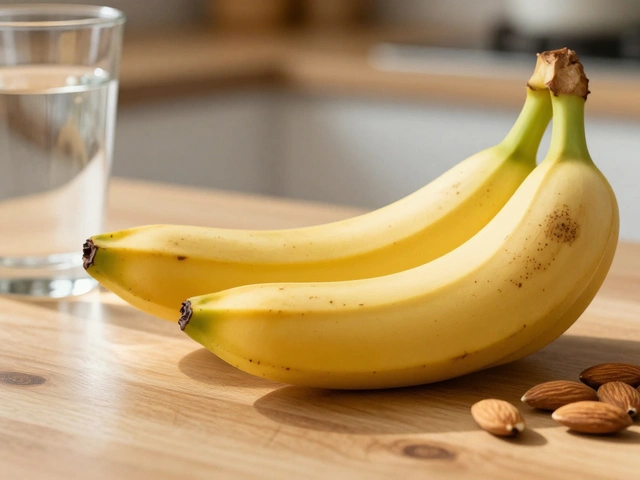
Almonds are a powerhouse of monounsaturated fats and vitamin E. However, it's easy to eat 500 calories of nuts without noticing. The rule of thumb is a single handful (about 23 almonds), which is roughly 160 calories. Pairing them with a piece of fruit creates a balanced snack that prevents the "sugar crash" associated with eating fruit alone.
Chia Seed Pudding is a great make-ahead option. Chia Seeds are tiny seeds from the Salvia hispanica plant that can absorb up to 12 times their weight in water, turning into a gel-like substance. This expansion happens in your stomach too, making you feel full for much longer. Mix two tablespoons of seeds with a cup of unsweetened almond milk and let it sit overnight. It's like a healthy dessert that stabilizes your blood glucose.
Cottage Cheese is often overlooked, but it's a weight-loss staple. It is rich in casein protein, a slow-digesting protein that provides a steady release of amino acids into your bloodstream. Pairing cottage cheese with sliced pineapple or cucumbers gives you a mix of sweetness and crunch while keeping your calorie count low.
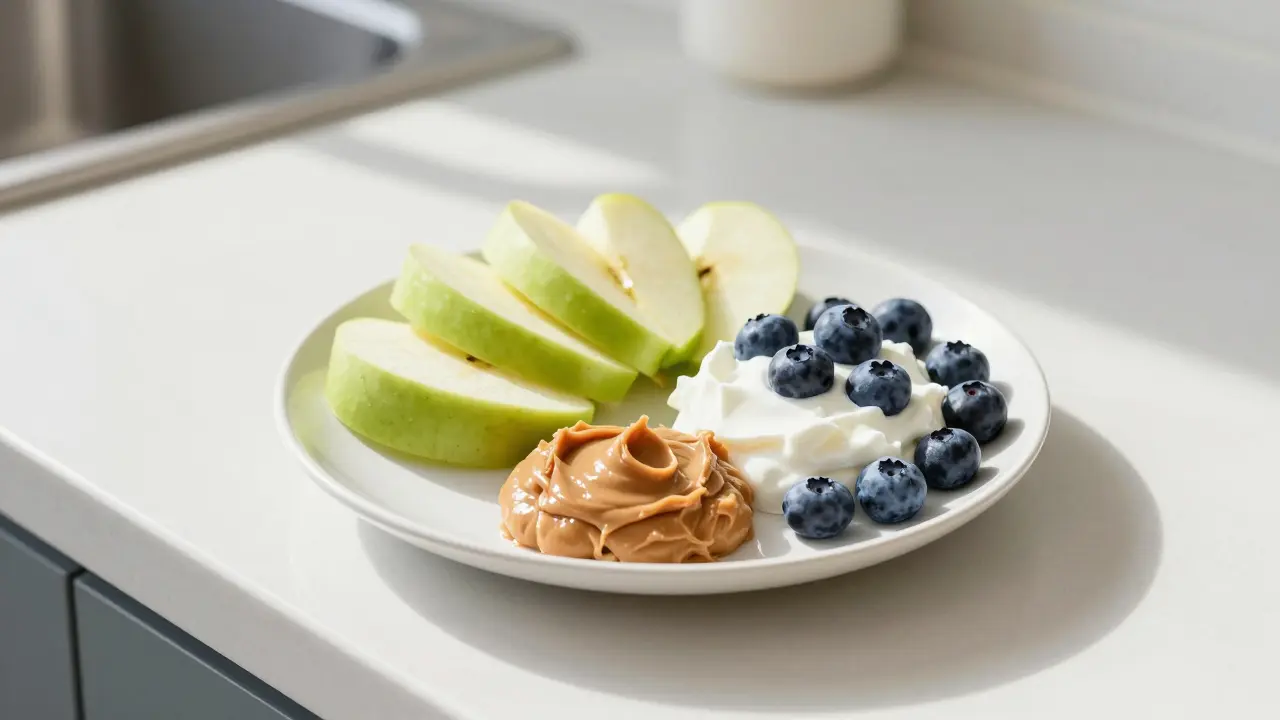
Finally, try Apple Slices with Peanut Butter. This is a classic for a reason. The pectin (fiber) in the apple and the healthy fats in the peanut butter work together to curb appetite. Stick to natural peanut butter (where the only ingredients are peanuts and salt) to avoid the added sugars and hydrogenated oils found in commercial brands.
| Snack Entity | Main Benefit | Approx. Calories (Per Serving) | Key Nutrient |
|---|---|---|---|
| Greek Yogurt | High Satiety | 100-130 | Protein |
| Hard-Boiled Egg | Muscle Maintenance | 78 | Protein / Choline |
| Edamame | Blood Sugar Control | 188 (1 cup) | Fiber / Protein |
| Air-Popped Popcorn | High Volume | 90 (3 cups) | Whole Grain Fiber |
| Almonds | Heart Health | 160 (23 nuts) | Monounsaturated Fat |
| Chia Pudding | Long-term Fullness | 150-200 | Omega-3 Fatty Acids |
Common Snacking Pitfalls to Avoid
Even healthy snacks can stall weight loss if you aren't mindful of how you eat them. One common mistake is the "health halo" effect. This happens when we see a label like "Gluten-Free" or "Organic" on a snack and assume it's low-calorie. A gluten-free cookie is still a cookie; it's still full of sugar and refined flour. Always check the nutrition label for added sugars and serving sizes.
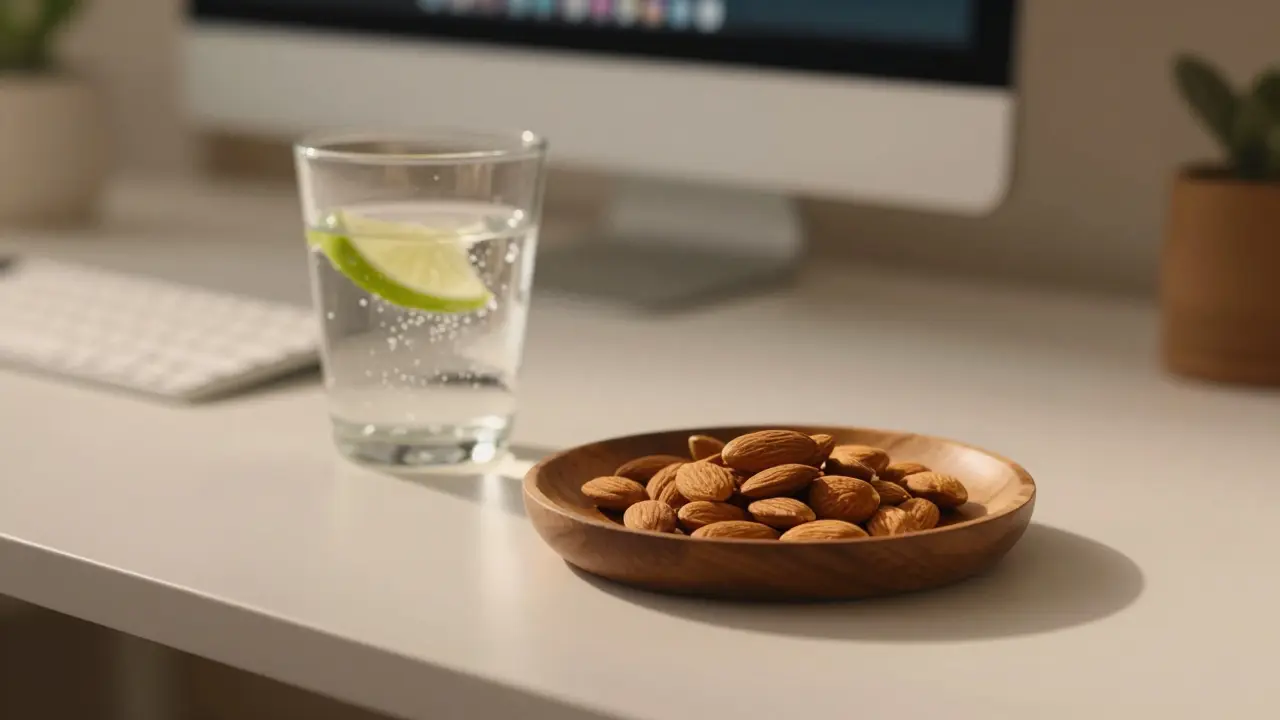
Another trap is mindless eating. If you eat your snacks while scrolling through your phone or watching TV, your brain misses the satiety signals from your stomach. You might find yourself finishing a whole bag of almonds without even tasting them. Instead, try a "mindful snack break." Step away from your screen, put your snack on a small plate, and actually focus on the flavor and texture. You'll likely find you feel full with a smaller portion.
Lastly, beware of the liquid calorie trap. Many people pair a healthy snack with a glass of orange juice or a sweetened latte. These drinks can easily add 200-300 calories without adding any feeling of fullness. Stick to water, black coffee, or herbal teas to keep your caloric budget focused on foods that actually nourish you.
How to Build Your Own Weight-Loss Snack Plate
You don't have to stick to a rigid list. You can create your own snacks using a simple formula: Fiber + Protein + Healthy Fat = Success. When you follow this trio, you manage your insulin levels and keep your energy steady throughout the day.
For example, if you have a craving for something salty, don't just grab chips. Instead, take some sliced bell peppers (Fiber), dip them in hummus (Protein and Fat), and maybe add a few olives (Fat). This combination hits all the marks and keeps you from crashing before dinner.
If you have a sweet tooth, try a bowl of raspberries (Fiber) with a dollop of Greek yogurt (Protein) and a sprinkle of hemp seeds (Fat). This satisfies the craving while providing an array of micronutrients that help your body function optimally during a calorie deficit.
Can I eat snacks multiple times a day and still lose weight?
Yes, as long as you are in a total daily calorie deficit. For many, snacking 2-3 times a day prevents extreme hunger, which often leads to overeating during main meals. The key is to plan your snacks in advance so you don't rely on impulse choices.
What is the best time to eat a healthy snack?
The ideal time is usually when you feel a slight dip in energy, often between breakfast and lunch or in the mid-afternoon. Eating a snack before you reach "starving" status helps you make rational food choices rather than emotional ones driven by low blood sugar.
Are nuts actually good for weight loss since they are high in calories?
Nuts are nutrient-dense and highly satisfying, which prevents you from eating other, less healthy foods. However, because they are calorie-dense, portion control is vital. Stick to 1 ounce (about a handful) to get the benefits of the healthy fats without overshooting your calorie goals.
Can I replace a meal with these snacks?
Generally, no. Snacks are designed to bridge the gap between meals. Meals provide the bulk of your daily micronutrients and larger amounts of protein and calories needed for sustained energy. Use snacks to maintain stability, not to replace balanced nutrition.
What if I don't have time to prep snacks?
Focus on "zero-prep" options like hard-boiled eggs (which can be bought pre-cooked), almonds, or pre-cut veggies from the grocery store. Keeping a stash of these in your bag or office drawer removes the friction of healthy eating.
Next Steps for Your Snacking Routine
If you are just starting out, don't try to overhaul your entire pantry overnight. Pick two snacks from the list above and commit to them for one week. Once those become a habit, add another. If you find yourself still hungry, try increasing your water intake first; often, our bodies signal hunger when we are actually just dehydrated.
For those who struggle with late-night snacking, try moving your most filling snack (like the chia pudding or cottage cheese) to about two hours before bed. This keeps your blood sugar stable overnight and prevents the dreaded 11 PM raid of the kitchen cabinets. Small, consistent changes in what you eat between meals are often the catalyst for long-term weight loss success.