The Secret World of the Microbiome
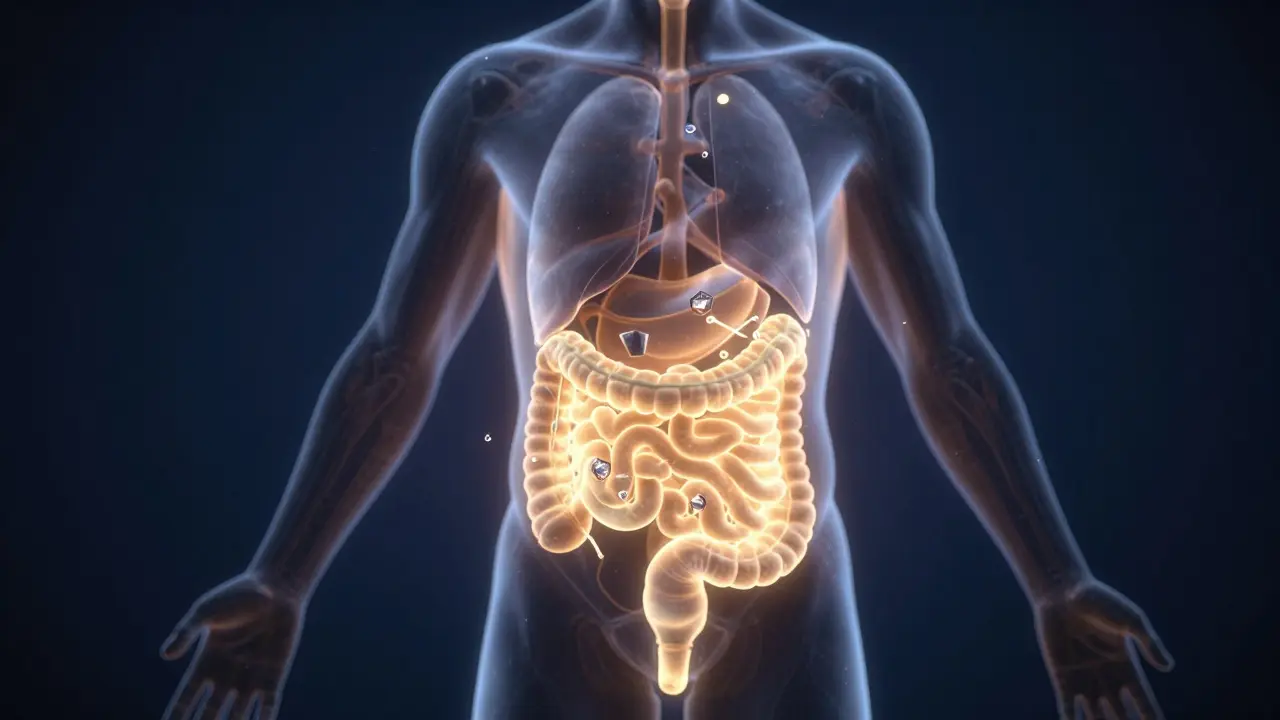
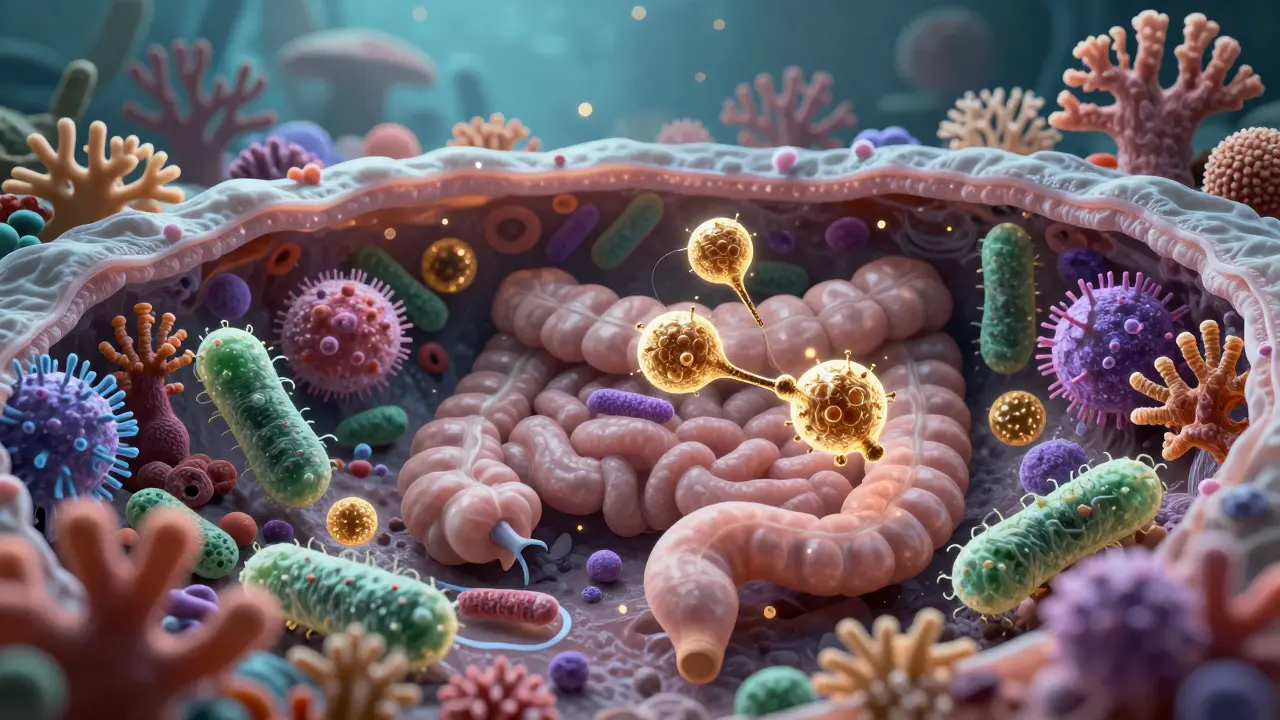
Inside your intestines, you have a massive ecosystem. The Gut Microbiome is a complex community of trillions of bacteria, fungi, and viruses living in the gastrointestinal tract. It functions like a living organ, weighing roughly 2 to 5 pounds. These microorganisms aren't just hitchhikers; they are active partners in your survival. They break down fibers your body can't digest and produce vitamins like K and B12.
But the real magic happens when these bacteria talk to your immune system. They train your T-cells to tell the difference between a harmless piece of pollen and a dangerous pathogen. Without this training, your immune system becomes erratic. This is why we see a rise in autoimmune issues when the microbiome is out of balance-the guards forget who the enemy is and start attacking the fortress itself.
How the Gut Barrier Works
Your gut lining is only one cell layer thick, yet it has to be a strict bouncer. It lets nutrients through but keeps toxins out. When this lining is healthy, it produces a thick layer of mucus that traps pathogens. However, when the lining becomes porous-a condition often called Leaky Gut or increased intestinal permeability-small particles of undigested food and toxins leak into the bloodstream.
Once these "intruders" hit the bloodstream, your immune system goes into overdrive. This creates systemic inflammation. You might feel it as brain fog, joint pain, or a constant feeling of fatigue. When your body is busy fighting these internal leaks, it has fewer resources to fight an actual flu or cold, leaving you vulnerable. It's like having a security team that is so distracted by a broken window in the basement that they don't notice someone walking through the front door.
| Feature | Healthy Gut (Eubiosis) | Imbalanced Gut (Dysbiosis) |
|---|---|---|
| Microbial Diversity | High variety of bacterial strains | Dominance of a few harmful strains |
| Gut Lining | Tight junctions, strong barrier | Gaps in lining (permeability) |
| Immune Response | Targeted and efficient | Chronic inflammation / Hyper-reactive |
| Common Symptoms | High energy, regular digestion | Bloating, sugar cravings, frequent illness |
The Power of Probiotics and Prebiotics
If your gut is a garden, Probiotics are the seeds. These are live beneficial bacteria found in fermented foods. When you eat a serving of kimchi or kefir, you are essentially sending in reinforcements to help the good bacteria outnumber the bad ones. Specific strains, like Lactobacillus and Bifidobacterium, are known to enhance the activity of natural killer cells that hunt down viruses.
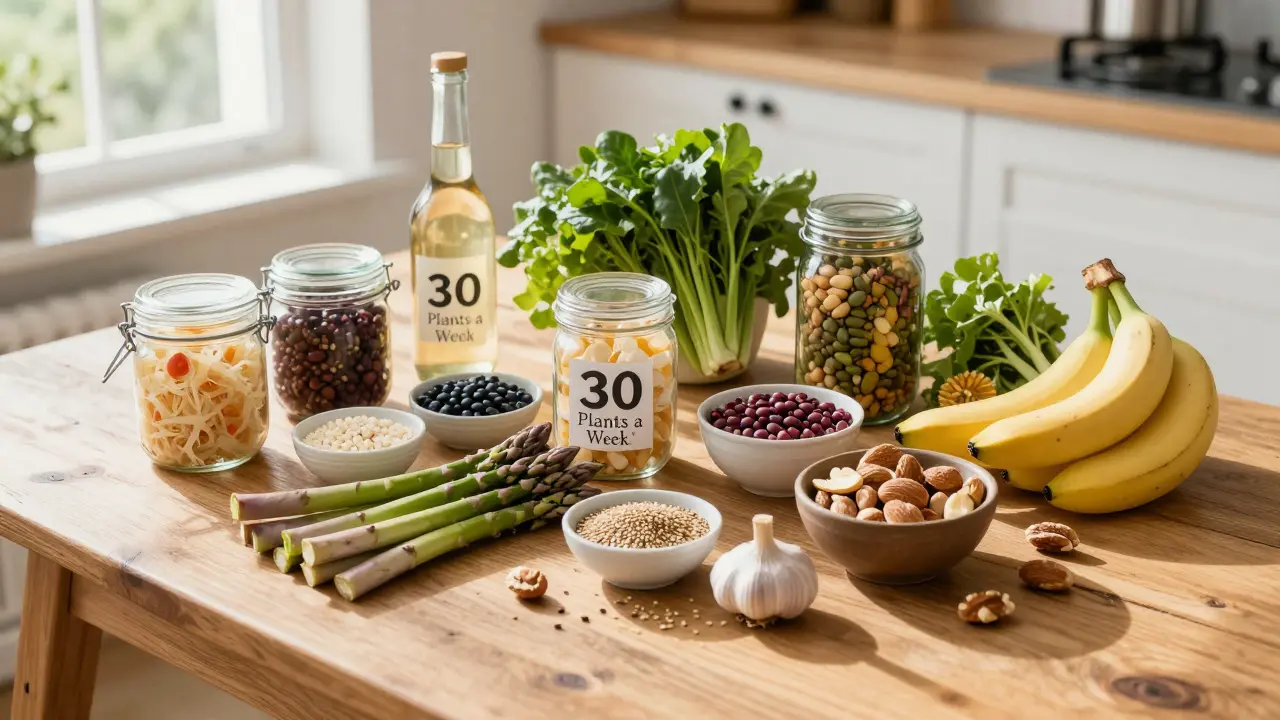
But seeds can't grow without soil. That is where Prebiotics come in. These are non-digestible fibers that act as food for your good bacteria. If you eat probiotics but skip prebiotics, those beneficial bacteria will starve and die. You find prebiotics in foods like garlic, onions, slightly under-ripe bananas, and asparagus. When your bacteria ferment these fibers, they produce Short-Chain Fatty Acids (SCFAs), like butyrate, which literally seal the gaps in your gut lining.
Common Gut Killers and How to Stop Them
Most of us are accidentally sabotaging our immunity every day. The biggest culprit is the standard modern diet, heavy on ultra-processed sugars. Pathogenic bacteria and yeast, like Candida, thrive on sugar. When these overgrow, they crowd out the beneficial strains, leading to a crash in your immune defense. Then there are antibiotics. While life-saving, a single course of broad-spectrum antibiotics can wipe out beneficial species that take months, or even years, to recover.
Chronic stress is another silent killer. Have you ever felt "butterflies" in your stomach when nervous? That is the gut-brain axis in action. High levels of cortisol (the stress hormone) increase gut permeability and shift the microbiome composition. If you are constantly stressed, your gut lining weakens, and your immune system becomes sluggish. This is why people often get sick right after a high-pressure project at work or a family crisis.
Practical Steps to Build Your Immune Foundation
You don't need an expensive supplement regime to fix your gut. Start with the basics of feeding and protecting your microbiome. A simple rule of thumb is the "30 Plants a Week" challenge. This doesn't mean 30 heads of lettuce, but 30 different types of plant foods-including nuts, seeds, herbs, grains, and vegetables. Diversity in your diet leads to diversity in your bacteria, which leads to a more resilient immune system.
Combine this with these habits for a measurable difference in how often you get sick:
- Intermittent Fasting: Giving your gut a 12-16 hour break allows the Migrating Motor Complex (MMC) to sweep out undigested food and waste, preventing bacterial overgrowth.
- Fermented Foods: Incorporate one serving of raw sauerkraut, kombucha, or miso daily to introduce live cultures.
- Manage Sleep: Your microbiome has its own circadian rhythm. Poor sleep disrupts the bacteria, which in turn suppresses your immune response.
- Limit Emulsifiers: Avoid additives like carboxymethylcellulose or polysorbate 80 found in many processed sauces, as they can erode the protective mucus layer of the gut.
Connecting the Dots: Gut, Brain, and Body
The gut is often called the "second brain" because it contains the enteric nervous system. This system communicates directly with the brain via the Vagus Nerve, the longest nerve in the body. When your gut is inflamed, it sends signals to the brain that can trigger anxiety or depression. Conversely, a happy gut produces a large portion of your body's serotonin. When your gut health is optimized, you don't just get a stronger immune system; you get better mental clarity and emotional stability.
How long does it take to improve gut health for better immunity?
You can feel changes in digestion and energy within a few days of increasing fiber and fermented foods. However, significantly altering the microbiome composition to boost immune function typically takes 3 to 6 months of consistent dietary changes and stress management.
Can probiotics actually replace a healthy diet?
No. Supplements can provide a temporary boost or help after antibiotics, but without prebiotics (fiber) and the avoidance of gut-irritants like excessive sugar, the beneficial bacteria won't colonize and thrive. Food-first is always the most sustainable approach.
What are the signs that my gut health is affecting my immunity?
Common signs include catching every cold that goes around, taking an unusually long time to recover from minor infections, chronic skin issues like eczema, and frequent digestive distress combined with low energy.
Is there a difference between prebiotics and probiotics?
Yes. Probiotics are the living beneficial bacteria themselves (the guests), while prebiotics are the specialized fibers that feed those bacteria (the food for the guests). You need both for a functioning ecosystem.
Does stress really damage the gut lining?
Absolutely. Chronic stress triggers the release of cortisol and other chemicals that can increase the permeability of the gut wall, allowing toxins to enter the blood and triggering a systemic immune response.