Forget the elixirs sold by medieval alchemists. If you are looking for a real fountain of youth, it is probably sitting in your refrigerator right now. We all want to feel energetic, look vibrant, and age gracefully. The idea that a single glass of liquid can reverse time is a myth, but the science behind what happens when you drink nutrient-dense liquids is powerful. Drinking the right combination of fruits and vegetables can significantly impact your cellular health, skin elasticity, and daily energy levels.
I have spent years experimenting with different blends here in Brisbane, where the humidity makes you crave hydration and the local markets offer some of the freshest produce in the world. I am not talking about sugary fruit punches that spike your blood sugar and leave you crashing an hour later. I am talking about true health juice, which is a concentrated source of vitamins, minerals, antioxidants, and enzymes derived from fresh fruits and vegetables. When done correctly, this practice supports your body’s natural repair mechanisms.
The Science Behind Liquid Nutrition
Why does drinking nutrients sometimes work better than chewing them? It comes down to digestion. When you eat whole foods, your body has to break down fiber and cell walls to access the nutrients. This takes time and energy. With juicing, especially using a centrifugal or masticating juicer, you separate the liquid from the insoluble fiber. The result is a bioavailable shot of nutrients that hits your bloodstream faster.
This rapid absorption is crucial for oxidative stress, which is the damage caused to cells by unstable molecules called free radicals. As we age, oxidative stress increases, leading to wrinkles, joint pain, and fatigue. Antioxidants found in dark leafy greens and colorful berries neutralize these free radicals. By consuming them in juice form, you maximize their immediate availability to your tissues.
- Vitamin C: Essential for collagen production, keeping skin firm.
- Beta-carotene: Converts to Vitamin A, supporting eye health and immunity.
- Magnesium: Found in spinach and kale, it aids muscle relaxation and sleep.
- Polyphenols: Plant compounds that reduce inflammation throughout the body.
Juice vs. Smoothie: What’s the Difference?
People often confuse juices with smoothies, but they serve different purposes. A smoothie is a blended mixture of whole fruits, vegetables, and often protein sources like yogurt or nuts. Because the fiber remains intact, smoothies are more filling and help regulate blood sugar spikes. They are great as meal replacements or post-workout snacks.
Juice, on the other hand, is thinner and easier to digest. It is ideal for morning routines when your digestive system is waking up. However, because it lacks fiber, you should never replace all your meals with juice. Use it as a supplement to a balanced diet, not a substitute. Think of juice as a multivitamin boost and smoothies as a meal.
| Feature | Juice | Smoothie |
|---|---|---|
| Fiber Content | Low (removed) | High (retained) |
| Digestion Speed | Fast | Slower |
| Satiety | Low | High |
| Best For | Nutrient boosting, detox support | Meal replacement, muscle recovery |
Top Ingredients for Anti-Aging Juices
To create a juice that actually fights aging, you need to focus on specific ingredients known for their high antioxidant capacity. Here are the powerhouses I use regularly.
Ginger Root: This spicy root is incredible for digestion and reducing inflammation. Just one inch of ginger adds a warm kick that wakes up your palate. It contains gingerol, a compound with strong anti-inflammatory effects.
Spinach and Kale: These leafy greens are packed with chlorophyll, which helps cleanse the blood. They also provide iron and calcium without the heaviness of a salad. Spinach is milder, making it easier for beginners to tolerate.
Turmeric: Often paired with black pepper to enhance absorption, turmeric contains curcumin. Curcumin is famous for its ability to fight chronic inflammation, a key driver of aging diseases.
Citrus Fruits: Lemons, limes, and oranges provide Vitamin C and citric acid. Citric acid helps balance the pH of your body and improves mineral absorption. Always include a citrus element to brighten the flavor profile.
Beets: Beets are rich in nitrates, which convert to nitric oxide in the body. Nitric oxide relaxes blood vessels, improving blood flow and lowering blood pressure. Better circulation means healthier skin and organs.
Three Proven Recipes for Vitality
You do not need exotic superfoods to make effective juice. Simple combinations often yield the best results. Here are three recipes that taste good and deliver serious health benefits.
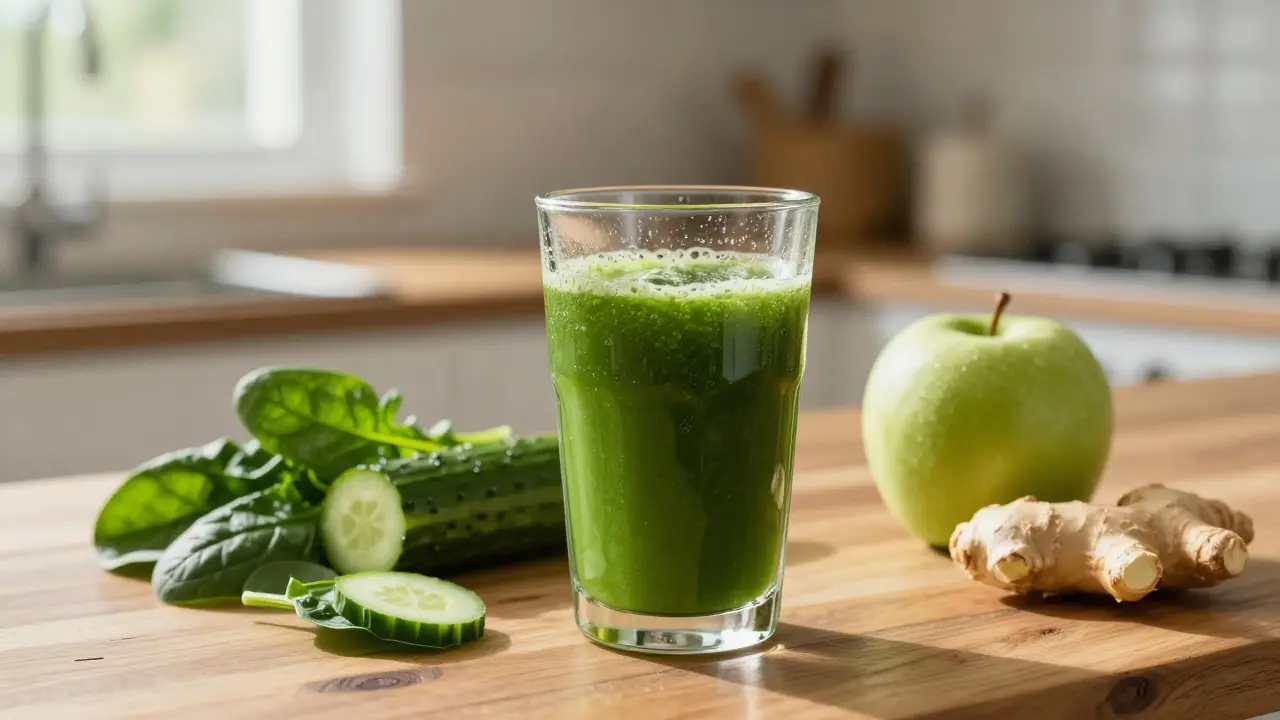
1. The Green Glow
This recipe focuses on skin health and energy. It is mild enough for daily consumption.
- 2 cups spinach
- 1 green apple (cored)
- 1/2 cucumber
- 1 inch ginger root
- Juice of 1 lemon
The sweetness of the apple masks the earthiness of the spinach. The cucumber provides hydration, while the ginger adds a metabolic boost.
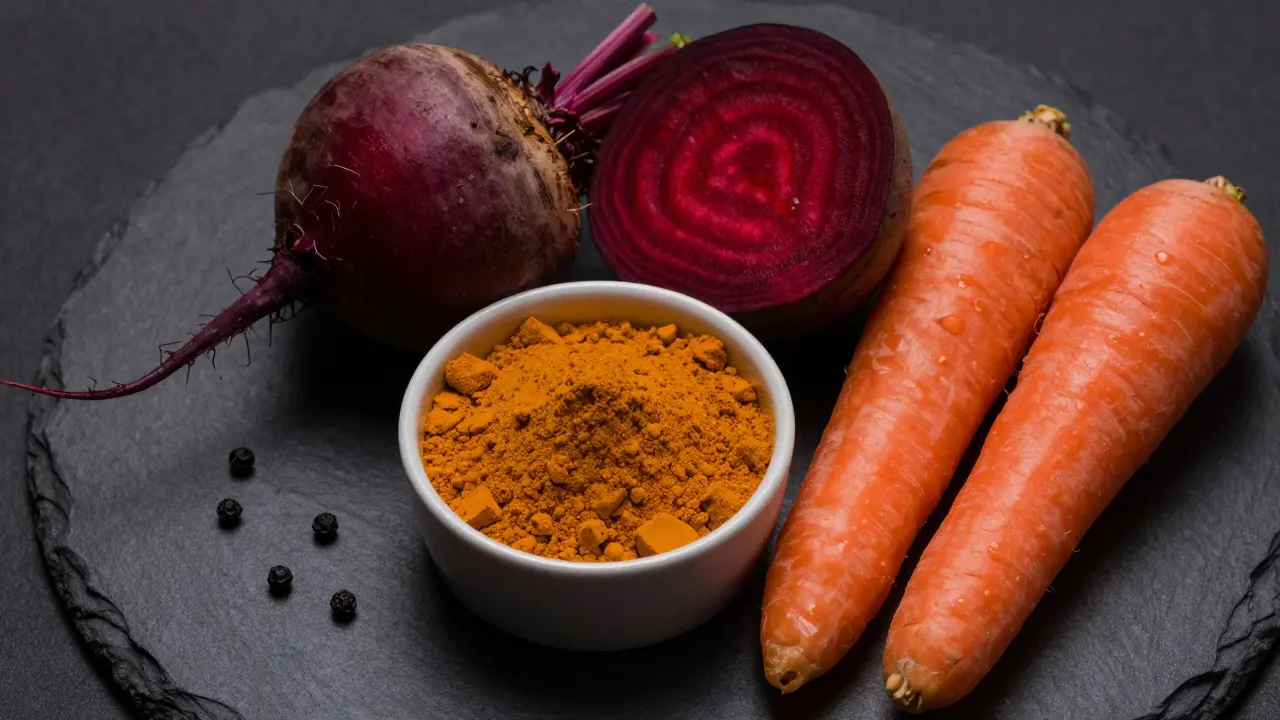
2. The Inflammation Fighter
If you suffer from joint pain or general stiffness, this blend is a game-changer.
- 1 small beet (peeled)
- 2 carrots
- 1/2 inch turmeric root
- 1/4 teaspoon black pepper
- Juice of 1/2 orange
The earthy beet pairs well with sweet carrots. Turmeric needs the black pepper to be effective, so do not skip it. The orange balances the strong flavors.
3. The Immunity Shield
Perfect for cold seasons or when you feel run down.
- 3 oranges
- 1/2 grapefruit
- 1 inch ginger root
- A pinch of cayenne pepper
This is pure Vitamin C power. The cayenne pepper stimulates circulation and warms the body from the inside out.
Common Mistakes to Avoid
Even with the best ingredients, bad habits can ruin your juice routine. Here is what most people get wrong.
Drinking Too Much Fruit: Fruit contains fructose. While natural, too much sugar can still cause inflammation and weight gain. Aim for a ratio of 80% vegetables to 20% fruit. Use fruit only to sweeten the vegetable base.
Storing Juice Improperly: Fresh juice oxidizes quickly. Enzymes begin to die within minutes of extraction. Drink your juice immediately after making it. If you must store it, use an airtight glass container filled to the brim to minimize air exposure. Keep it in the fridge for no more than 24 hours.
Ignoring Taste: If you hate the taste, you will not drink it consistently. Experiment with herbs like mint or basil. Add a splash of coconut water for electrolytes. Make it something you look forward to, not a chore.
Is Cold-Pressed Worth the Hype?
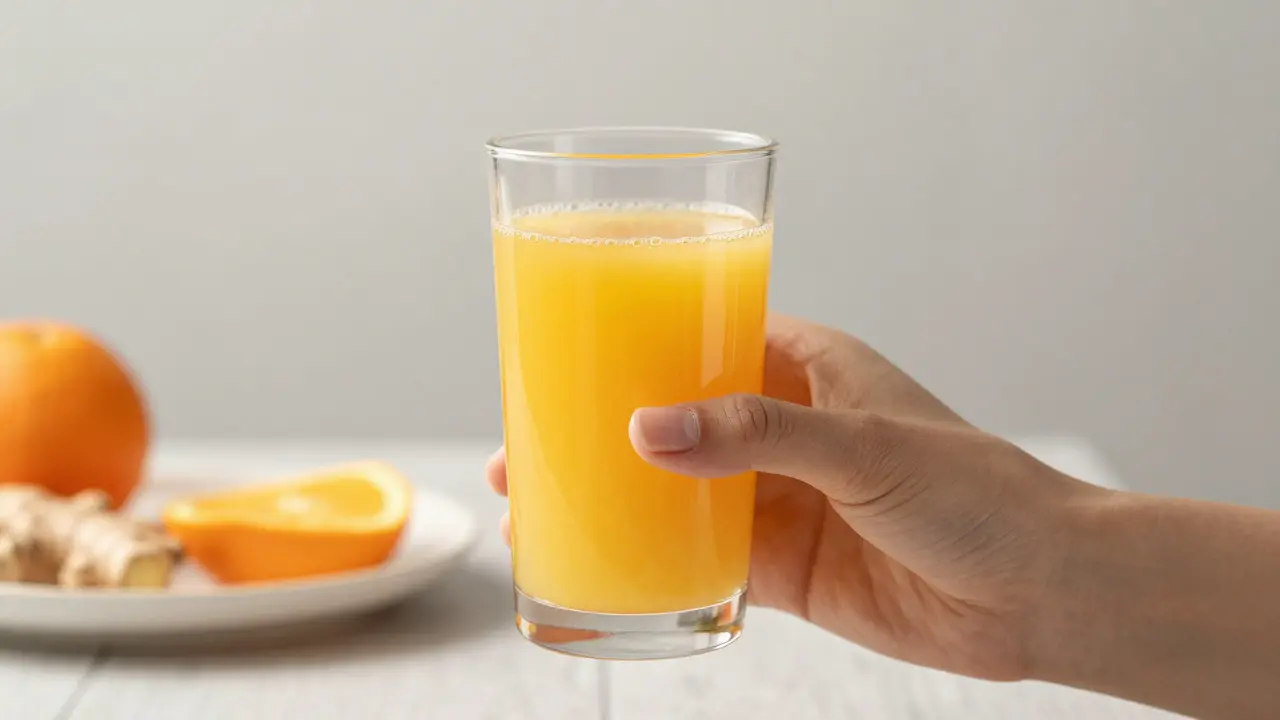
You will see cold-pressed juice described as juice extracted using a hydraulic press rather than a spinning blade, preserving more enzymes and nutrients everywhere. Is it necessary? Not necessarily. Cold-pressing generates less heat, which theoretically preserves more delicate enzymes. However, home-made fresh juice is still superior to any store-bought option because it is consumed immediately.
If you buy pre-packaged juice, check the label. Many commercial brands pasteurize their juice at high temperatures, killing beneficial bacteria and enzymes. Look for "not from concentrate" and minimal processing. Ideally, invest in a good quality masticating juicer for home use. It is slower but extracts more juice and produces less oxidation.
Timing Your Juice Intake
When you drink your juice matters almost as much as what is in it. The best time is first thing in the morning, on an empty stomach. After sleeping, your body is dehydrated and ready to absorb nutrients efficiently. Waiting 20 minutes before eating breakfast allows the nutrients to enter your bloodstream without competition from other foods.
Avoid drinking juice with heavy meals containing fats and proteins. These slow down digestion, causing the juice to sit in your stomach longer and potentially ferment, leading to bloating. Treat juice as a standalone beverage, spaced apart from solid meals.
Can I lose weight by drinking health juice?
Juicing alone does not guarantee weight loss. However, replacing high-calorie snacks or sugary sodas with low-calorie vegetable juices can create a calorie deficit. Remember that juice lacks fiber and protein, so it is not very satiating. Combine juicing with a balanced diet and exercise for sustainable results.
How long can I store homemade juice?
Ideally, drink it immediately. If stored in an airtight glass container in the refrigerator, it lasts up to 24-48 hours. After that, nutrient content drops significantly, and oxidation increases. Freezing is an option but may alter texture and taste upon thawing.
Should I eat the pulp left over from juicing?
You can, but it is mostly dry fiber. Some people add pulp to baked goods or compost it. If you want the fiber, make a smoothie instead of juice. The pulp itself has little nutritional value once the liquid is extracted.
Is green juice safe for everyone?
Most people benefit from green juice, but those on blood-thinning medication should consult a doctor due to the high Vitamin K content in leafy greens. People with kidney issues should monitor potassium intake. Always listen to your body and start with small amounts.
What is the best type of juicer for beginners?
A centrifugal juicer is fast and easy to clean, making it great for beginners. However, a masticating (slow) juicer produces higher quality juice with less foam and oxidation. If budget allows, invest in a slow juicer for better nutrient retention.