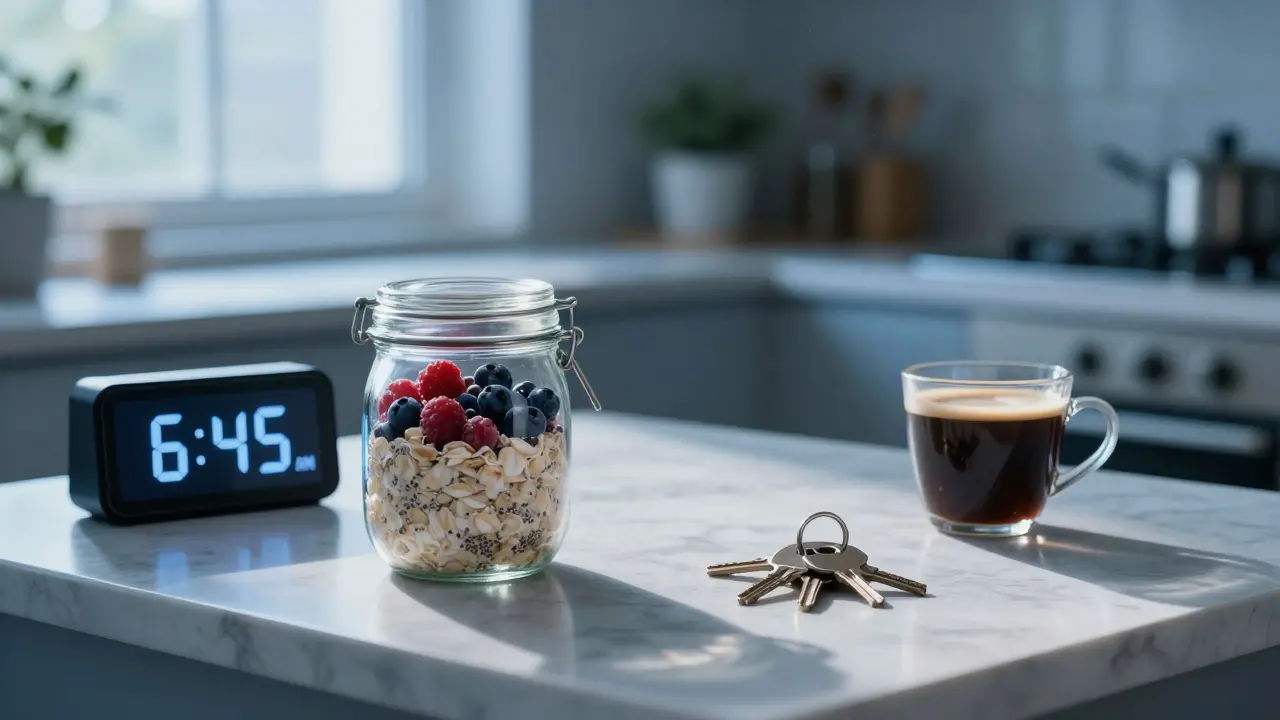
It is 6:45 AM. The alarm has been ignored twice. You have exactly ten minutes before the school bus arrives or your Zoom call starts. Your stomach growls, but the idea of cooking feels like a marathon you didn't sign up for. This is the daily reality for millions of people who know they should eat a nutritious breakfast but simply don't have the time to prepare one.
We often fall into the trap of thinking that healthy breakfast means waking up an hour earlier to blend a complex smoothie or bake oatmeal from scratch. That mindset leads to skipping meals entirely or grabbing a sugary pastry on the way out the door. The good news? You can fuel your body with real food in under five minutes if you shift your strategy from "cooking" to "assembling."
Key Takeaways
- Prep is key: Spend 20 minutes on Sunday to save 10 minutes every weekday morning.
- Protein prevents crashes: Aim for at least 15-20 grams of protein to stay full until lunch.
- Freezer friends: Overnight oats and frozen smoothie packs are your best allies for speed.
- Sweet vs. Savory: Rotate between flavors to keep mornings interesting without extra effort.
The Science of Speed: Why Protein Matters More Than Perfection
Before we get to the recipes, let's talk about why most quick breakfasts fail us. A bagel or a bowl of plain cereal spikes your blood sugar rapidly. You feel great for thirty minutes, then crash, leading to intense cravings by 10:30 AM. To avoid this, your morning meal needs a balance of fiber and protein.
You don't need a nutrition degree to figure this out. Just remember the "Fiber + Protein" rule. If your breakfast has neither, it’s not doing its job. For example, a banana alone is just sugar. But a banana with peanut butter adds protein and fat, slowing down digestion and keeping you energized. This simple adjustment changes how you feel during those stressful mid-morning meetings.
5-Minute Sweet Breakfasts (No Cooking Required)
If you crave something sweet, these options require zero heat and minimal cleanup. They rely on ingredients you likely already have in your pantry.
1. The Classic Overnight Oats
This is the gold standard for busy mornings. You make it the night before, so in the morning, you just grab the jar and go. It takes less than two minutes to assemble.
- Ingredients: ½ cup rolled oats, ½ cup milk (dairy or plant-based), 1 tablespoon chia seeds, 1 teaspoon maple syrup, and your favorite fruit topping.
- Method: Mix everything in a jar or container. Seal it and put it in the fridge overnight. In the morning, give it a stir and eat cold, or microwave for 30 seconds if you prefer warm.
- Why it works: Rolled oats provide slow-release energy, while chia seeds add omega-3 fatty acids and thickness. One serving typically contains around 5-7 grams of fiber.
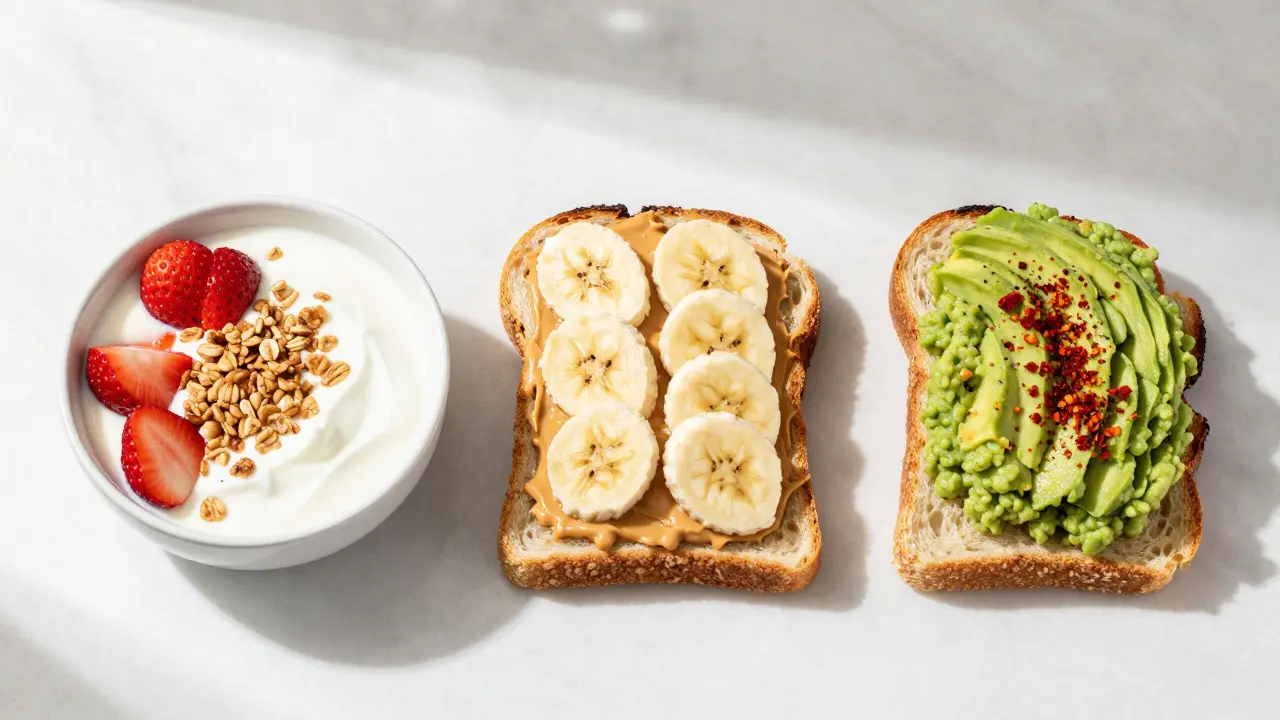
2. Greek Yogurt Power Bowl
Greek yogurt is naturally higher in protein than regular yogurt. It’s creamy, satisfying, and ready instantly.
- Ingredients: ¾ cup plain Greek yogurt, 1 tablespoon honey or agave, ¼ cup granola, and fresh berries or sliced apple.
- Method: Scoop the yogurt into a bowl. Drizzle with sweetener. Top with crunchy granola and fruit.
- Pro Tip: Buy large tubs of yogurt instead of single-serving cups to save money and reduce plastic waste. Pre-wash your berries on Sunday so they are ready to scoop.
3. Peanut Butter Banana Toast
Toast is fast, but white bread won't keep you full. Switch to whole grain or sourdough for better satiety.
- Ingredients: 1 slice whole-grain bread, 1 tablespoon natural peanut butter (no added sugar), ½ banana sliced, optional dash of cinnamon.
- Method: Toast the bread. Spread peanut butter while hot. Arrange banana slices on top.
- Nutritional Note: This combo provides roughly 8-10 grams of protein and healthy fats from the nuts, which helps stabilize blood sugar levels.
Savory Options for When You Don't Want Sugar
Sometimes, especially after a heavy dinner, sweet breakfasts feel wrong. Savory options are often more filling and can be prepped ahead just as easily.
4. Avocado Egg Mash
This sounds fancy, but it’s essentially mashed avocado with an egg. It’s rich in healthy monounsaturated fats.
- Ingredients: 1 slice whole-grain toast, ¼ ripe avocado, 1 hard-boiled egg, salt, pepper, and red chili flakes.
- Method: Hard-boil a batch of eggs on Sunday. On Monday morning, mash the avocado onto the toast. Slice the pre-cooked egg on top. Season generously.
- Time Saver: Keep hard-boiled eggs in the fridge. They last up to a week unpeeled. Peel them right before eating to prevent drying out.
5. Cottage Cheese & Fruit Plate
Cottage cheese is a protein powerhouse that many people overlook. It’s mild, creamy, and incredibly versatile.
- Ingredients: ½ cup low-fat cottage cheese, cherry tomatoes, cucumber slices, and everything bagel seasoning.
- Method: Spoon cottage cheese into a bowl. Arrange veggies around it. Sprinkle with seasoning.
- Why it works: Cottage cheese is made mostly of casein protein, which digests slowly, keeping you fuller for longer compared to whey proteins found in other dairy products.
The "Sunday Reset": How to Prep Without Stressing
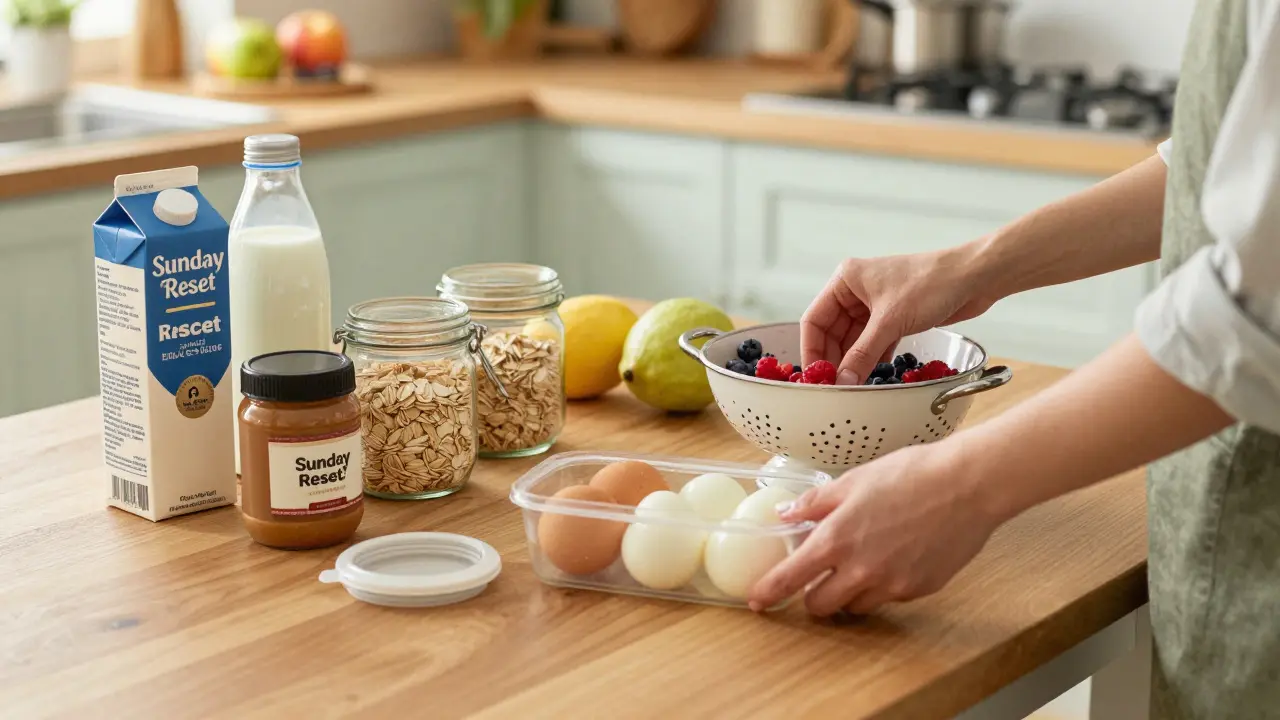
The secret to a quick breakfast isn't speed in the morning; it's preparation the night before or the weekend prior. Here is a realistic routine that takes only 20 minutes on a Sunday afternoon.
- Hard-boil 6-8 eggs: Place them in a pot, cover with water, bring to a boil, turn off heat, cover, and let sit for 10 minutes. Cool in ice water. Store in the fridge.
- Wash and chop fruits: Wash berries, apples, and bananas. Store them in clear containers at eye level in the fridge so you see them first.
- Portion out oats: If you like variety, prep three jars of overnight oats with different toppings (e.g., chocolate peanut butter, berry almond, apple cinnamon).
- Check your pantry: Ensure you have enough milk, yogurt, and nut butter. Running out of these staples forces you to buy unhealthy convenience foods.
| Recipe | Prep Time | Protein Content | Best For |
|---|---|---|---|
| Overnight Oats | 2 mins (morning) | Medium (10-15g) | Long-lasting energy |
| Greek Yogurt Bowl | 1 min | High (15-20g) | Muscle recovery/satiety |
| PB Banana Toast | 3 mins | Medium (8-10g) | Craving satisfaction |
| Avocado Egg Mash | 3 mins | High (12-15g) | Savory lovers/low sugar |
| Cottage Cheese Plate | 1 min | Very High (14g+) | Weight management |
Troubleshooting Common Morning Struggles
Even with the best recipes, life happens. Here is how to handle common obstacles.
"I'm not hungry in the morning." This is common if you drink coffee on an empty stomach or sleep poorly. Try drinking a glass of water first to wake up your digestion. If you still aren't hungry, opt for a liquid breakfast like a protein shake or a small smoothie. Liquid calories are easier to consume when appetite is low.
"I run out of time." If you truly have zero time, keep "emergency" snacks in your car or desk drawer. Good options include individual packets of nut butter, beef jerky, or a protein bar with less than 5g of sugar. Eating something small is better than nothing, as it prevents overeating at lunch.
"My kids hate healthy food." Kids are notoriously picky. Focus on familiar textures. If they love pancakes, try making banana-oat pancakes (mashed banana + egg + oats) which take 5 minutes to cook. Or, let them build their own yogurt bowls with fun toppings. Autonomy increases willingness to eat.
Understanding Nutrient Density in Small Packages
When you are rushing, it is tempting to reach for processed bars or cereals marketed as "healthy." Read the label. Many contain hidden sugars and refined grains. Instead, focus on whole foods. An apple is nutrient-dense because it provides vitamins, fiber, and antioxidants in a package that requires no processing. A granola bar might provide calories, but often lacks the micronutrients your brain needs for focus.
In Brisbane, where fresh produce is available year-round, utilizing local seasonal fruits like mangoes in summer or citrus in winter can boost your vitamin C intake effortlessly. Vitamin C supports immune function and helps absorb iron from plant-based sources like spinach or fortified cereals.
What is the healthiest breakfast for weight loss?
The healthiest breakfast for weight loss is one high in protein and fiber, as these nutrients promote satiety. Options like Greek yogurt with berries, scrambled eggs with vegetables, or overnight oats with chia seeds are excellent choices. They help control hunger hormones and prevent mid-morning snacking, which contributes to overall calorie reduction.
Can I drink coffee before eating breakfast?
While occasional black coffee is fine, regularly drinking coffee on an empty stomach can increase cortisol levels and cause jitters or acidity for some people. It is generally better to eat a small amount of food, such as a few almonds or half a banana, before or with your coffee to buffer the acid and stabilize blood sugar.
How do I make overnight oats taste better?
To enhance the flavor of overnight oats, use strong-flavored mix-ins. Add cocoa powder for chocolate flavor, cinnamon and vanilla extract for warmth, or freeze-dried fruits for intense berry taste without adding moisture. Using almond milk or oat milk instead of cow's milk can also change the texture and flavor profile significantly.
Is it okay to skip breakfast if I'm not hungry?
Intermittent fasting involves skipping breakfast, but for most people, especially children and active adults, skipping breakfast can lead to poor food choices later in the day. If you are not hungry, try a light liquid meal like a smoothie or bone broth. Listening to your body is important, but ensure you meet your nutritional needs throughout the day.
What are good gluten-free quick breakfast ideas?
Great gluten-free options include Greek yogurt with fruit, scrambled eggs with avocado, rice cakes with peanut butter, or certified gluten-free oats for overnight oats. Always check labels on oats to ensure they are processed in a gluten-free facility, as cross-contamination is common.