
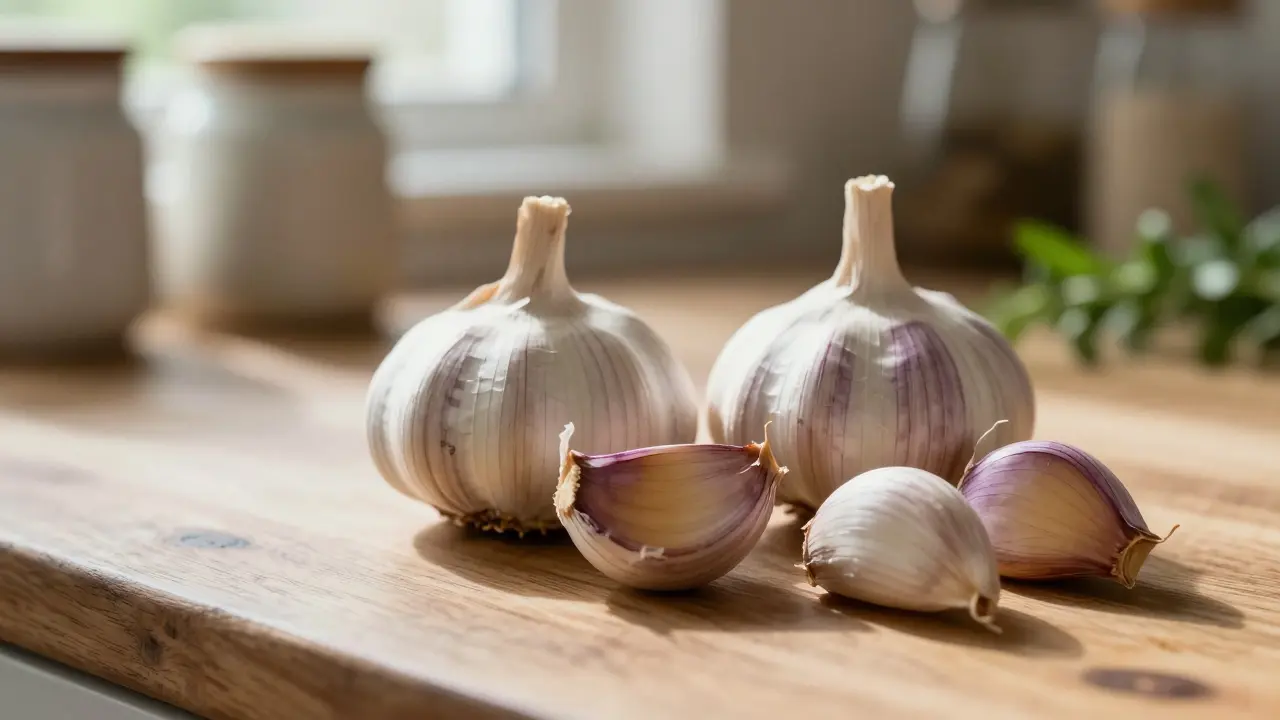
Why Your Kitchen Cabinet Holds a Medical Powerhouse
You probably have it in your pantry right now. It sits there, wrapped in papery white or purple skins, smelling pungent and earthy. For centuries, people have treated garlic as more than just a flavor enhancer for pasta sauce or steak. Ancient Egyptians fed it to workers building the pyramids for strength. During World War I and II, soldiers used crushed cloves on wounds to prevent infection. Today, modern science is catching up with ancient wisdom, confirming that this humble bulb is indeed a natural superfood capable of supporting nearly every system in your body.
But let’s cut through the hype. Is garlic really a miracle cure? Not exactly. It won’t replace prescribed medication for serious conditions. However, when you incorporate it correctly into your daily diet, it offers significant, measurable health advantages. From lowering blood pressure to boosting your immune response, the evidence suggests that garlic deserves a starring role in your meals, not just a cameo.
Key Takeaways
- The Active Ingredient: The compound allicin is responsible for most of garlic’s health benefits, but it only forms when you crush or chop fresh cloves.
- Heart Health: Regular consumption can help lower high blood pressure and reduce LDL cholesterol levels.
- Immune Support: Studies suggest garlic may reduce the severity and duration of colds and flu.
- Preparation Matters: Letting chopped garlic sit for 10 minutes before cooking preserves its medicinal properties better than immediate heating.
- Antioxidant Power: Garlic contains antioxidants that support brain health and may reduce the risk of neurodegenerative diseases like Alzheimer’s.
The Secret Sauce: Understanding Allicin
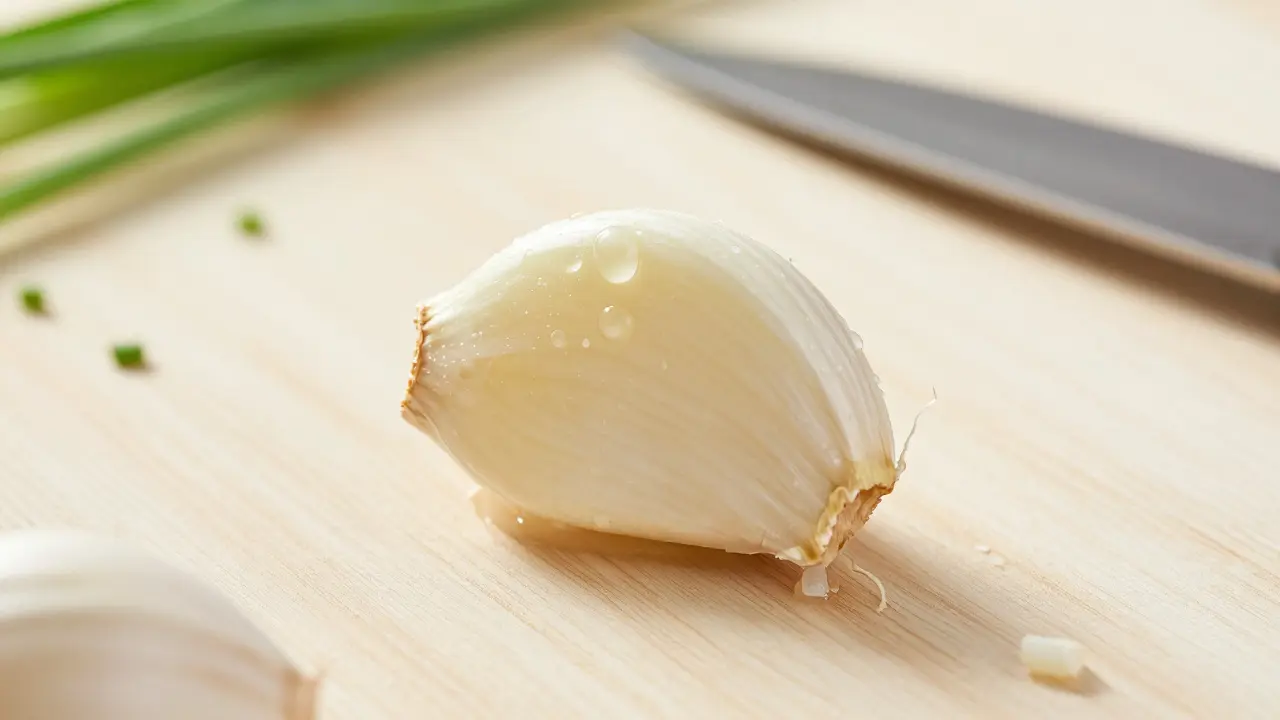
To understand why garlic works, you need to know what’s inside it. Garlic contains sulfur compounds, specifically amino acids like alliin. On their own, these are harmless. But when you crush, chop, or chew a clove, an enzyme called alliinase mixes with alliin. This chemical reaction creates allicin.
Allicin is unstable. It breaks down quickly when exposed to heat or air. This is crucial because allicin is the primary driver behind garlic’s antimicrobial, antiviral, and anti-inflammatory effects. If you throw whole, uncrushed cloves directly into a hot pan, you miss out on most of the benefits. The heat destroys the enzyme before it can create allicin. So, the secret isn’t just eating garlic; it’s preparing it right.
Boosting Your Immune System Naturally
We’ve all been there: you feel that tickle in your throat, the slight chill running down your spine. You reach for supplements, hoping to stop a cold in its tracks. Garlic might be one of the most effective tools in that fight. Research indicates that regular garlic intake can improve the function of the immune system.
In a notable study published in the journal Advances in Therapy, participants who took a standardized garlic extract supplement every day during the cold and flu season experienced fewer colds than those taking a placebo. Even more impressive, the people who did get sick recovered faster. Their symptoms were less severe and lasted for fewer days. While eating raw garlic isn’t the same as taking a concentrated supplement, the underlying mechanism remains similar: the sulfur compounds stimulate immune cells, helping your body recognize and fight off pathogens more efficiently.
- Antiviral Properties: Allicin interferes with the ability of viruses to replicate.
- Anti-bacterial Action: Garlic has shown effectiveness against certain strains of bacteria, including some antibiotic-resistant types like MRSA (though it should not replace antibiotics for serious infections).
- Anti-fungal Effects: It can help combat fungal infections like Candida overgrowth.
Protecting Your Heart and Blood Vessels
Cardiovascular disease remains the leading cause of death globally. While lifestyle changes like exercise and quitting smoking are paramount, dietary tweaks can make a substantial difference. Garlic shines here, particularly in two areas: blood pressure and cholesterol.
High blood pressure is a silent killer. A meta-analysis of multiple studies found that aged garlic extract significantly reduced blood pressure in hypertensive individuals, comparable to standard medications like atenolol or captopril, but without the side effects. How does it work? Garlic increases the production of nitric oxide and hydrogen sulfide, gases that signal your blood vessels to relax and widen. Wider vessels mean less resistance to blood flow, which lowers pressure.
Regarding cholesterol, the data is promising but nuanced. Garlic appears to modestly lower total and LDL ("bad") cholesterol by about 10-15%. It doesn’t seem to affect HDL ("good") cholesterol or triglycerides significantly. For someone with borderline high cholesterol, this reduction could be enough to keep them out of the "high-risk" category. For those with severely elevated levels, garlic is a helpful adjunct, not a replacement for statins.
| Health Marker | Effect of Garlic Consumption | Recommended Form |
|---|---|---|
| Systolic Blood Pressure | Reduction of ~8-10 mmHg in hypertensive patients | Aged Garlic Extract or Daily Raw Cloves |
| LDL Cholesterol | Modest decrease (~10-15%) | Powdered Garlic Supplement or Fresh Garlic |
| Blood Clotting | Mild antiplatelet effect (reduces clot formation) | Fresh Garlic |
| Arterial Stiffness | Improved elasticity in arteries | Aged Garlic Extract |
Brain Health and Longevity
Your brain consumes about 20% of your body’s energy, making it highly susceptible to oxidative stress. This stress contributes to aging and neurodegenerative diseases like Alzheimer’s and Parkinson’s. Garlic is rich in antioxidants, including selenium and vitamin C, which help protect cells from damage.
One specific benefit involves the prevention of plaque buildup in the brain. Oxidative stress triggers inflammation, which leads to the accumulation of amyloid plaques, a hallmark of Alzheimer’s disease. By reducing oxidative stress, garlic may slow this process. Additionally, the anti-inflammatory properties of allicin help calm chronic inflammation in the brain, preserving cognitive function as you age.
It’s not just about preventing disease. Some animal studies suggest that garlic extracts can improve memory and learning capabilities. While human trials are still ongoing, the correlation between diets high in antioxidant-rich foods (like the Mediterranean diet, which features garlic prominently) and lower rates of dementia is strong.
Detoxification and Heavy Metal Protection
This might sound surprising, but garlic can actually help detoxify heavy metals. In a study involving factory workers exposed to lead, those who took garlic supplements for four weeks experienced a 19% reduction in blood lead levels. They also reported significant reductions in headache, blood pressure, and urinary lead excretion.
Garlic contains sulfur compounds that bind to heavy metals, forming complexes that the body can easily excrete through urine. This chelation effect makes garlic a valuable dietary component for anyone living in urban areas with higher pollution levels or working in industries with metal exposure. It’s a natural way to support your liver and kidneys in their natural detoxification processes.
How to Eat Garlic for Maximum Benefit
Knowing the benefits is one thing; getting them into your system is another. Most people cook garlic until it’s golden brown or even burnt, thinking it tastes better. Unfortunately, this destroys the very compounds you’re trying to harness. Here is how to optimize your garlic intake.
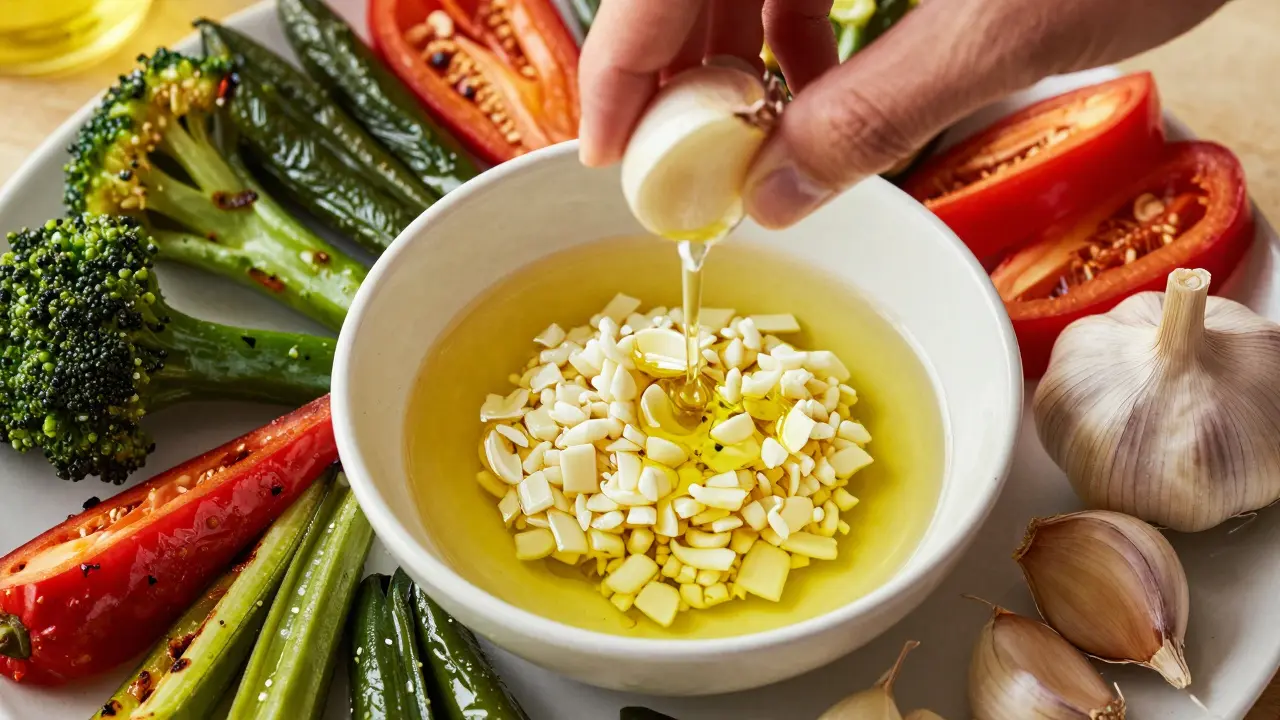
- Crush or Chop First: Always break the cell walls of the garlic clove. Use a knife, a press, or even the side of a chef’s knife to smash it.
- The 10-Minute Rule: After crushing, let the garlic sit at room temperature for 10 minutes. This allows the alliinase enzyme time to fully convert alliin into allicin. If you add it to hot oil immediately, the heat deactivates the enzyme before the reaction completes.
- Low and Slow Cooking: Add garlic towards the end of the cooking process. High heat kills allicin. Sautéing briefly or adding it to soups and stews after they’ve been removed from direct flame preserves more nutrients.
- Raw is Best: If you can handle the taste, eating raw garlic provides the highest concentration of active compounds. Mix minced raw garlic into salad dressings, hummus, or yogurt dips.
- Supplements: If fresh garlic isn’t feasible, look for aged garlic extract or powdered garlic supplements standardized to allicin potential. Check labels for quality certifications.
Who Should Be Careful?
While garlic is safe for most people, it’s not without risks. Because it has mild blood-thinning properties, it can interact with anticoagulant medications like warfarin or aspirin. If you are scheduled for surgery, doctors usually recommend stopping garlic supplements two weeks prior to avoid excessive bleeding.
Additionally, large amounts of raw garlic can irritate the stomach lining, causing heartburn, gas, or nausea in sensitive individuals. People with GERD (acid reflux) should monitor their intake. And yes, the smell is real. Allicin metabolites enter your bloodstream and are released through your lungs and pores. Brushing your teeth helps, but chewing parsley or drinking apple cider vinegar can neutralize the odor more effectively.
Conclusion: Make Garlic a Habit, Not a Cure-All
Garlic is not a magic bullet. You won’t eat a clove today and cure hypertension tomorrow. But consistency matters. Incorporating 1-2 cloves of properly prepared garlic into your daily diet adds a layer of protective health benefits that few other single foods can match. It supports your heart, boosts your immunity, protects your brain, and helps detoxify your body. It’s affordable, accessible, and delicious. Why wouldn’t you use it?
How much garlic should I eat per day for health benefits?
Most studies suggest that one to two cloves of fresh garlic per day is sufficient to gain health benefits. If using supplements, follow the dosage on the label, typically ranging from 600 to 1200 mg of aged garlic extract daily. Consistency is key, so aim for daily inclusion rather than occasional large doses.
Does cooked garlic lose its health benefits?
Yes, if cooked improperly. High heat destroys the enzyme alliinase needed to create allicin. To preserve benefits, crush the garlic and let it sit for 10 minutes before cooking. Then, add it to dishes at the end of the cooking process or use low heat. Raw garlic retains the most potent compounds.
Can garlic lower blood pressure naturally?
Research shows that aged garlic extract can significantly lower blood pressure in people with hypertension, often matching the efficacy of some prescription medications. It works by increasing nitric oxide production, which relaxes blood vessels. However, consult your doctor before replacing medication with garlic.
Is black garlic better than white garlic?
Black garlic is fermented white garlic. It has a sweeter, milder taste and higher antioxidant levels due to the fermentation process. However, it lacks allicin because the heat treatment during fermentation destroys the enzyme. White garlic is better for immune boosting and antimicrobial effects, while black garlic is excellent for general antioxidant support.
Does garlic interact with any medications?
Yes, garlic has mild blood-thinning properties. It can interact with anticoagulants (like warfarin), antiplatelet drugs, and some HIV medications. If you take blood thinners or have surgery scheduled, talk to your healthcare provider about limiting garlic intake or stopping supplements temporarily.