Think about the last time you helped someone out. Maybe you picked up a dropped item for a stranger, tutored a kid who was struggling with math, or spent an afternoon at a local animal shelter. Did you feel different afterward? Most people report a subtle but distinct shift-a lightness in their chest, a clearer head, or just a general sense of calm. That feeling isn't just in your imagination. It is biological.
We often think of health as something we do for ourselves: hitting the gym, eating kale, sleeping eight hours. But volunteering is unpaid work done to help others or support a cause, and it turns out to be one of the most powerful tools for physical and mental well-being we have. Research consistently shows that giving back doesn't just help the recipient; it rewires your brain and protects your body in ways that solitary self-care simply cannot match.
The Brain on Altruism: A Chemical Boost
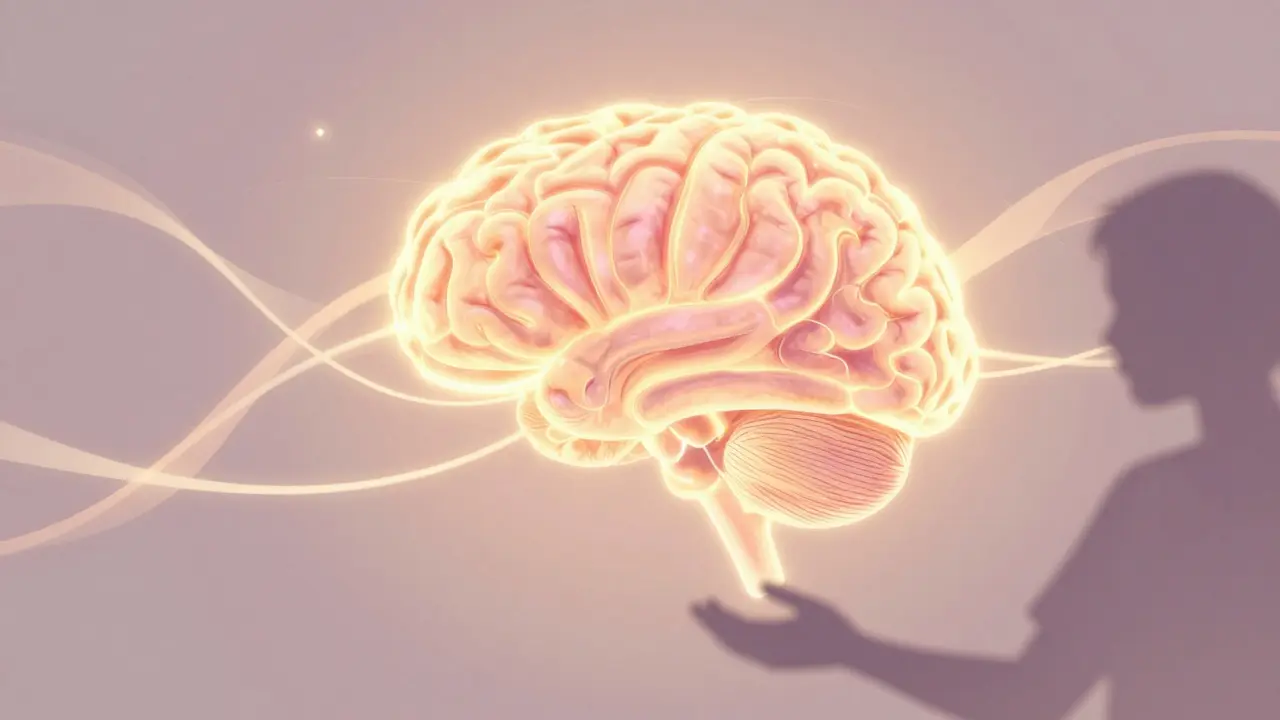
When you volunteer, your brain releases a cocktail of feel-good chemicals. This phenomenon is often called the "helper's high." It starts with dopamine, the neurotransmitter associated with pleasure and reward. When you perform a kind act, your brain registers it as a positive event, triggering a dopamine release similar to what you might get from eating chocolate or winning a small prize. This creates a natural feedback loop: helping feels good, so you want to do it again.
But it gets deeper. Acts of kindness also stimulate the production of oxytocin. Often referred to as the "love hormone" or "cuddle chemical," oxytocin promotes bonding and trust. It lowers blood pressure and reduces anxiety. If you've ever felt a warm fuzzy sensation after connecting with someone during a volunteer shift, that is oxytocin at work. It signals to your nervous system that you are safe, connected, and part of a community.
Furthermore, volunteering can lower levels of cortisol, the primary stress hormone. Chronic stress keeps cortisol levels elevated, which leads to inflammation, weight gain, and sleep issues. By shifting your focus outward-to a task, a person, or a cause-you interrupt the cycle of rumination and worry that drives cortisol production. You aren't just distracting yourself; you are actively regulating your physiological stress response.
Physical Longevity and Heart Health
The mental boost translates directly into physical benefits. One of the most compelling findings comes from a large-scale study published in the journal Social Science & Medicine. Researchers analyzed data from over 3,000 adults and found that those who volunteered regularly had a significantly lower risk of mortality compared to non-volunteers. Specifically, regular volunteers were less likely to die within the study period, even when controlling for factors like age, income, and pre-existing health conditions.
Your heart stands to gain too. Social isolation is a major risk factor for cardiovascular disease, comparable to smoking or obesity. Volunteering combats this isolation by forcing social interaction. Even if you are working alone-like sorting donations at a food bank-you are operating within a shared mission and often interacting with staff or other volunteers. This sense of belonging reduces systemic inflammation, which is a key driver of heart disease and stroke.
| Benefit Area | Mechanism | Outcome |
|---|---|---|
| Cardiovascular Health | Reduced inflammation and stress hormones | Lower blood pressure and reduced risk of heart disease |
| Pain Management | Dopamine and endorphin release | Natural pain relief and improved mobility in chronic pain sufferers |
| Longevity | Combined physical activity and social engagement | Up to 22% lower risk of early death (varies by study) |
| Immune Function | Stress reduction | Stronger immune response due to lower cortisol levels |
If you suffer from chronic pain, volunteering can be particularly transformative. The distraction provided by meaningful work, combined with the neurochemical release of endorphins (natural painkillers), can reduce the perception of pain. Many seniors with arthritis or back issues find that staying active through low-impact volunteer roles helps them maintain mobility longer than those who stay home.
Mental Clarity and Combating Depression
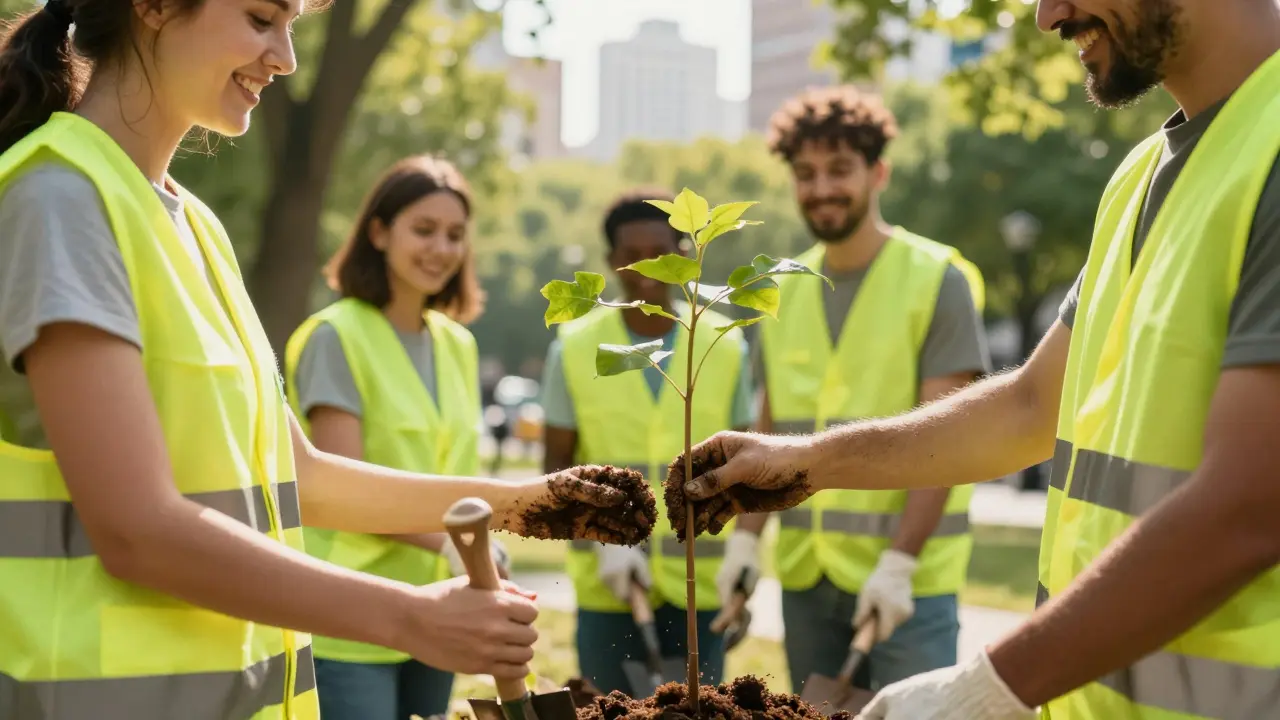
In an era where digital noise is constant, volunteering offers a rare gift: presence. When you are serving soup at a shelter or planting trees in a park, you cannot be scrolling through social media or worrying about an email from yesterday. You are grounded in the here and now. This mindfulness effect is powerful for managing anxiety and depression.
Depression often thrives in isolation and negative self-talk. Volunteering breaks both patterns. It forces you to engage with the world outside your own head. More importantly, it provides evidence of your competence and value. When you see the direct result of your efforts-a clean beach, a fed family, a happy child-you counteract feelings of worthlessness. This restoration of self-efficacy is a core component of cognitive behavioral therapy, yet it happens naturally through service.
For older adults, the mental benefits are perhaps the most critical. As people retire and friends pass away, the risk of dementia and cognitive decline rises. Volunteering requires learning new skills, navigating social dynamics, and solving problems. These activities build "cognitive reserve," making the brain more resilient to age-related changes. Studies suggest that older adults who volunteer regularly show slower rates of cognitive decline compared to their non-volunteering peers.
Finding Purpose in a Post-Retirement World
Many people hit a wall when they retire. For decades, their identity was tied to their job. Without that structure, life can feel aimless. Volunteering fills this void by providing a renewed sense of purpose. Purpose is not just a nice-to-have; it is a vital component of psychological health. Having a reason to get up in the morning correlates strongly with better mental health outcomes and even better physical recovery times after illness.
This applies to younger people too. In a competitive job market, young adults often feel lost or anxious about their future. Volunteering allows them to explore interests, build skills, and connect with mentors without the pressure of a paycheck. It provides a narrative of contribution rather than just consumption. Instead of asking, "What can I get?" they ask, "What can I give?" This shift in perspective is liberating.
How to Start: Matching Your Interests
You don't need to commit hundreds of hours to reap these benefits. Consistency matters more than intensity. Here is how to find a role that fits your life and maximizes the health benefits:
- Identify your passion: Do you love animals? Try a dog walker role at a rescue. Are you good with numbers? Help a non-profit with bookkeeping. When the work aligns with your interests, the stress burden drops, and the joy increases.
- Start small: Commit to two hours a month. See how it feels. If you enjoy it, increase the frequency. Burnout is real, even in volunteer work. Protect your energy.
- Choose social roles if you're lonely: If your goal is combatting isolation, pick roles that involve teamwork or direct interaction with beneficiaries, like tutoring or meal delivery.
- Pick physical roles if you're sedentary: Habitat for Humanity builds or park cleanups get your heart rate up and expose you to fresh air, combining exercise with altruism.
Remember, the best volunteer opportunity is one you will actually stick with. It should feel like a break from your routine, not another chore on your to-do list.
Potential Pitfalls to Avoid
While the benefits are overwhelming, volunteering isn't a magic cure-all if done incorrectly. If you take on too much, you risk caregiver burnout. This is common among those who volunteer in high-empathy roles, such as hospice care or crisis hotlines. Without proper boundaries and debriefing, absorbing other people's trauma can lead to secondary traumatic stress.
To avoid this, listen to your body. If you feel drained rather than energized after a shift, it might be time to switch roles or take a break. Healthy volunteering should leave you feeling expanded, not depleted. Organizations that prioritize volunteer well-being will offer training and support systems; look for these signs before committing.
How many hours per week should I volunteer to see health benefits?
Research suggests that even a few hours a month can make a difference. However, studies often cite around 200 hours per year (or roughly 4 hours a week) as a sweet spot for maximizing longevity and happiness benefits. Consistency is key, so finding a sustainable rhythm is more important than hitting a specific number.
Can volunteering help with anxiety?
Yes. Volunteering reduces anxiety by lowering cortisol levels and providing a sense of control and purpose. Engaging in structured activities distracts from anxious thoughts and fosters social connections, which are protective factors against anxiety disorders. However, it should complement, not replace, professional treatment if you have a clinical anxiety disorder.
Is virtual volunteering as effective for health?
Virtual volunteering offers some benefits, such as skill-building and a sense of contribution. However, it lacks the physical movement and face-to-face social interaction that drive many of the physiological health benefits, like oxytocin release and reduced inflammation. For maximum health impact, in-person volunteering is generally superior, though hybrid models can work well.
What are the best volunteer opportunities for seniors?
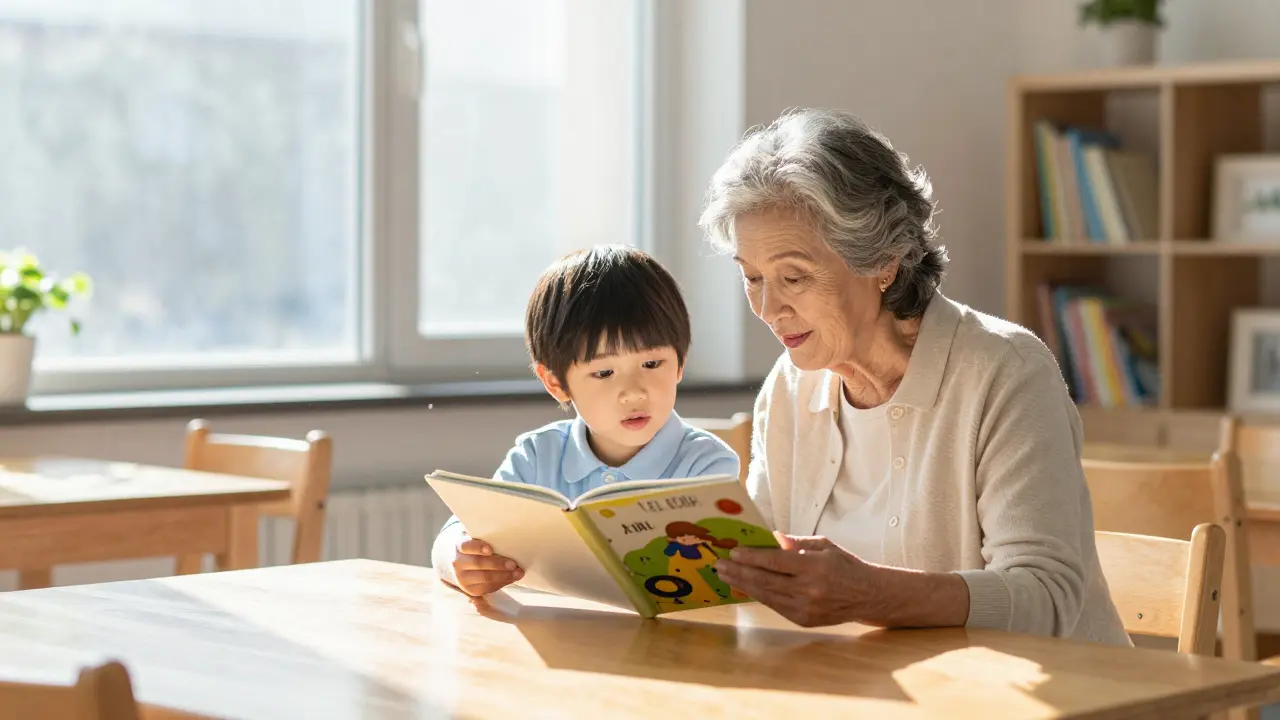
Great options for seniors include reading to children, mentoring students, serving on non-profit boards, or participating in intergenerational programs. These roles leverage life experience while keeping seniors socially engaged and cognitively active. Look for roles with flexible hours and low physical demands if mobility is a concern.
Does volunteering really extend lifespan?
Multiple longitudinal studies indicate a correlation between regular volunteering and increased lifespan. The mechanisms include reduced stress, increased physical activity, stronger social ties, and a greater sense of purpose. While genetics play a role, lifestyle factors like volunteering contribute significantly to overall longevity and quality of life in later years.