

Imagine waking up without the usual knot of anxiety in your stomach. No frantic checking of emails before your feet hit the floor. Just a quiet, steady start to the day. That feeling isn’t magic; it’s calmness. It is the baseline state from which genuine happiness grows. Most people chase happiness through external achievements-promotions, new gadgets, or social validation-but these are fleeting sparks. Calmness is the fire that keeps burning.
When we talk about calmness, we aren’t talking about being emotionless or suppressing feelings. It is the ability to observe what is happening inside you and outside you without immediately reacting. This distinction is crucial. Reacting is automatic; responding is chosen. In a world that constantly demands immediate reactions, choosing to pause gives you back control over your life.
The Science Behind the Quiet Mind
Your brain has two main systems for processing information: the sympathetic nervous system (fight-or-flight) and the parasympathetic nervous system (rest-and-digest). Modern life keeps the first one on high alert. You think of this as stress, but physiologically, it is a survival mechanism stuck in the "on" position. When this system dominates, your body produces cortisol and adrenaline. Over time, this chronic elevation damages health and clouds judgment.
Calmness activates the parasympathetic nervous system. This shift lowers heart rate, improves digestion, and allows the prefrontal cortex-the part of your brain responsible for logic and planning-to function properly. Without calm, you cannot make good decisions. You can only react. Research from institutions like the University of California, San Francisco, shows that regular activation of this restful state reduces inflammation and strengthens immune response. It is not just a nice feeling; it is a biological necessity for long-term well-being.
Why We Mistake Busyness for Productivity
Society often equates busyness with worth. If you are not exhausted, are you working hard enough? This mindset prevents calmness from taking root. We fill every gap in our schedule with tasks, notifications, and content consumption. But productivity without clarity is just motion. You might be running fast, but if you are going in circles, you haven't moved forward.
Calmness provides the space to see the difference between urgent and important. When your mind is noisy, everything feels urgent. When it is quiet, priorities become obvious. You stop chasing every rabbit and start focusing on the path that actually leads where you want to go. This clarity is the first tangible benefit of cultivating a quieter inner state.
Practical Ways to Build Daily Calm
You don’t need to retreat to a monastery to find peace. Calmness is built in small, consistent moments throughout the day. Here are three specific strategies that work in real life:
- The Morning Pause: Before touching your phone, sit for five minutes. Don’t meditate if you don’t want to. Just breathe. Notice the sensation of air entering and leaving your nose. This simple act signals to your nervous system that you are safe, setting a calm tone for the hours ahead.
- Single-Tasking: Multitasking is a myth that increases cognitive load. Pick one task. Do it completely. Then move to the next. This reduces mental clutter and gives your brain a chance to reset between activities. It turns work into a series of focused sprints rather than a continuous blur.
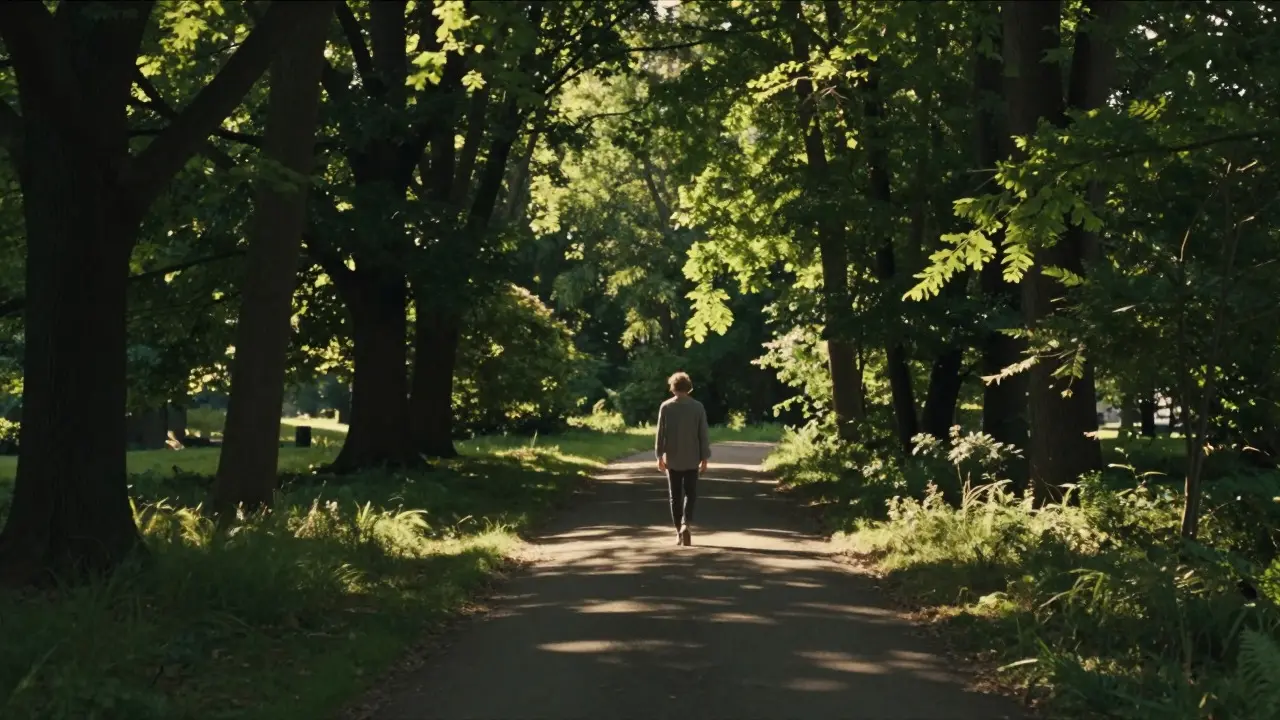
- Nature Exposure: Spend at least 15 minutes outside daily. Walk in a park, sit by a window with a view of trees, or simply look at the sky. Nature has a fractal pattern that soothes the human visual cortex. It lowers blood pressure and reduces rumination more effectively than many indoor relaxation techniques.
The Role of Breath in Emotional Regulation
Your breath is the remote control for your autonomic nervous system. While you can’t directly command your heart rate or hormone levels, you can influence them through breathing patterns. Long, slow exhales activate the vagus nerve, which triggers the rest-and-digest response. Try this: inhale for four counts, hold for four, and exhale for six. The extended exhale is the key. It tells your body the threat has passed.
This technique works even in the middle of a stressful meeting or a traffic jam. It takes seconds, requires no equipment, and is invisible to others. Mastering this skill means you carry your calm with you everywhere. You are no longer at the mercy of your environment. You have a tool to regulate your internal state whenever it starts to spiral.
Calmness vs. Happiness: What’s the Difference?
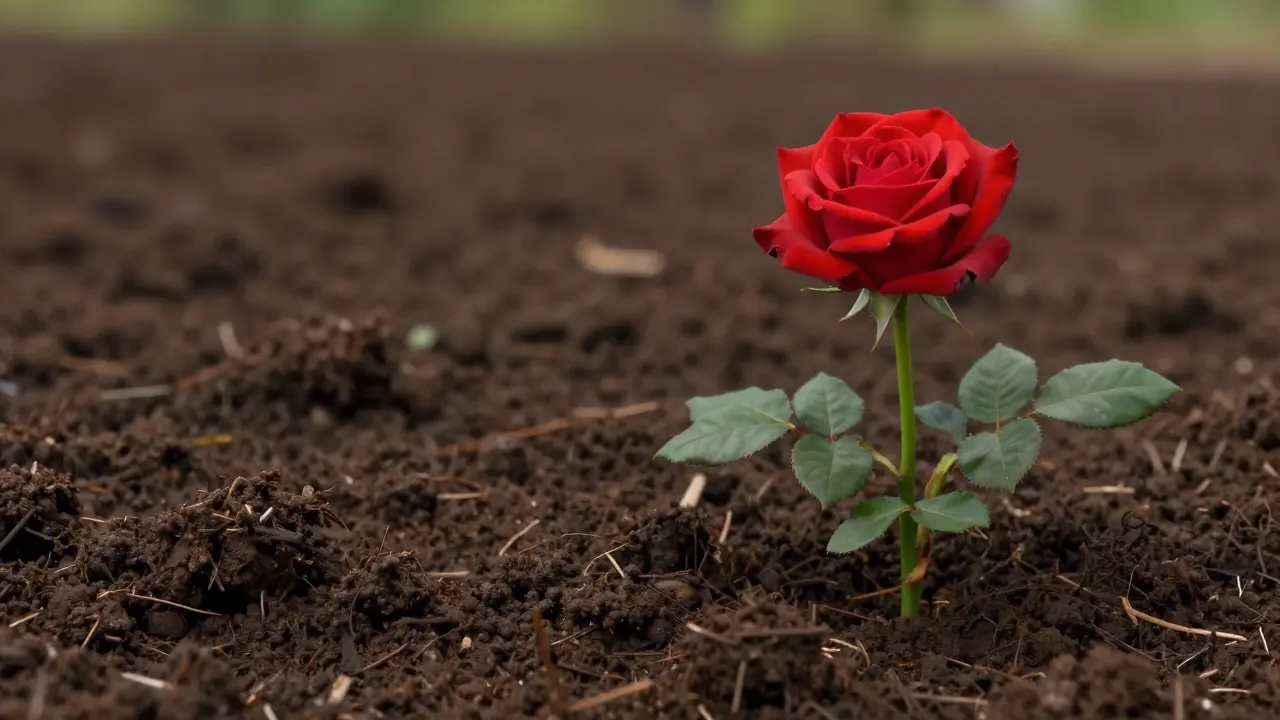
Happiness is an emotion; it comes and goes. Calmness is a state of being; it is the foundation. You can be happy and anxious at the same time, but you cannot be truly happy while chronically stressed. Think of calmness as the soil and happiness as the flower. If the soil is rocky and dry (stressed), the flower struggles to grow. If the soil is rich and moist (calm), the flower thrives naturally.
Many people try to force happiness. They force smiles, force positivity, and ignore their pain. This creates tension. Calmness allows you to accept reality as it is, without judgment. Acceptance doesn’t mean resignation; it means seeing things clearly. From that clear place, you can choose actions that lead to joy, rather than trying to manufacture it artificially.
| Aspect | Reactive Mode (Stressed) | Responsive Mode (Calm) |
|---|---|---|
| Decision Making | Impulsive, fear-based | Deliberate, value-aligned |
| Energy Levels | High burnout, low recovery | Sustained, balanced output |
| Relationships | Defensive, quick to anger | Empathetic, patient |
| Health Impact | Chronic inflammation, fatigue | Lower cortisol, better sleep |
Overcoming Obstacles to Inner Peace
Building calmness isn’t always easy. Distractions are engineered to keep you hooked. Social media feeds are designed to trigger dopamine hits and anxiety loops. News cycles prioritize sensationalism. To maintain calm, you need boundaries. Curate your inputs. Unfollow accounts that make you feel inadequate. Limit news consumption to specific times. Protect your attention like it is your most valuable asset because it is.
Also, give yourself permission to be imperfect. You will have days when your mind races. That’s normal. The goal isn’t to never feel stress again; it’s to return to calm faster each time. Every time you notice your stress and choose to breathe, you strengthen the neural pathways associated with self-regulation. It is muscle building for your mind.
Frequently Asked Questions
Is calmness the same as meditation?
Not exactly. Meditation is a practice that can lead to calmness, but calmness is the resulting state. You can achieve calmness through walking, listening to music, or spending time with pets. Meditation is just one tool among many to help you reach that state of mental quiet.
How long does it take to develop a calmer personality?
You can feel immediate relief after a few deep breaths. However, developing a habitual calm disposition usually takes several weeks of consistent practice. Most people notice significant changes in their baseline stress levels after four to six weeks of daily mindfulness or breathing exercises.
Can I be calm if my life is chaotic?
Yes. In fact, calmness is most useful during chaos. It allows you to navigate difficult situations without losing your footing. You don’t need to fix the entire situation before finding peace. You can find a pocket of calm within the storm by focusing on your breath and the present moment.
Does calmness mean ignoring problems?
No. Ignoring problems is avoidance, which often makes them worse. Calmness means facing problems with a clear head. It removes the emotional fog so you can see the actual issue and solve it logically. It transforms problem-solving from a panicked scramble into a structured process.
What is the best way to start practicing calmness today?
Start with one minute. Set a timer for one minute and focus entirely on your breathing. Do nothing else. When your mind wanders, bring it back. This tiny habit builds the foundation for longer periods of stillness later. Consistency matters more than duration when you are starting out.