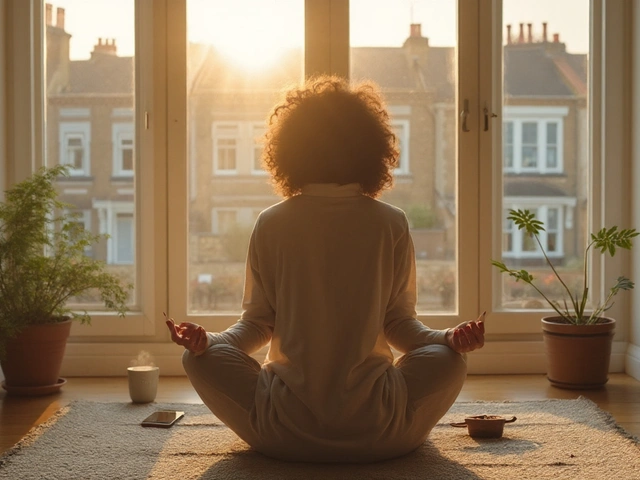

Have you ever noticed how hard it is to think straight when your heart is racing? We live in a world that rewards speed. We check emails before our feet hit the floor. We scroll through news feeds while eating breakfast. But this constant state of high alert is not just annoying; it is biologically expensive. Calmness is a state of peaceful stability and low arousal that allows the brain to function optimally. It is not merely the absence of noise or activity. It is an active physiological state where your body recovers from stress.
Many people treat calmness as a luxury-a spa day or a weekend getaway. In reality, it is a biological necessity. Without regular periods of calm, your mental health begins to fracture under the weight of chronic cortisol exposure. This article breaks down why stillness is non-negotiable for your brain, how to achieve it, and what happens when you ignore the need for rest.
The Biology of Being Calm
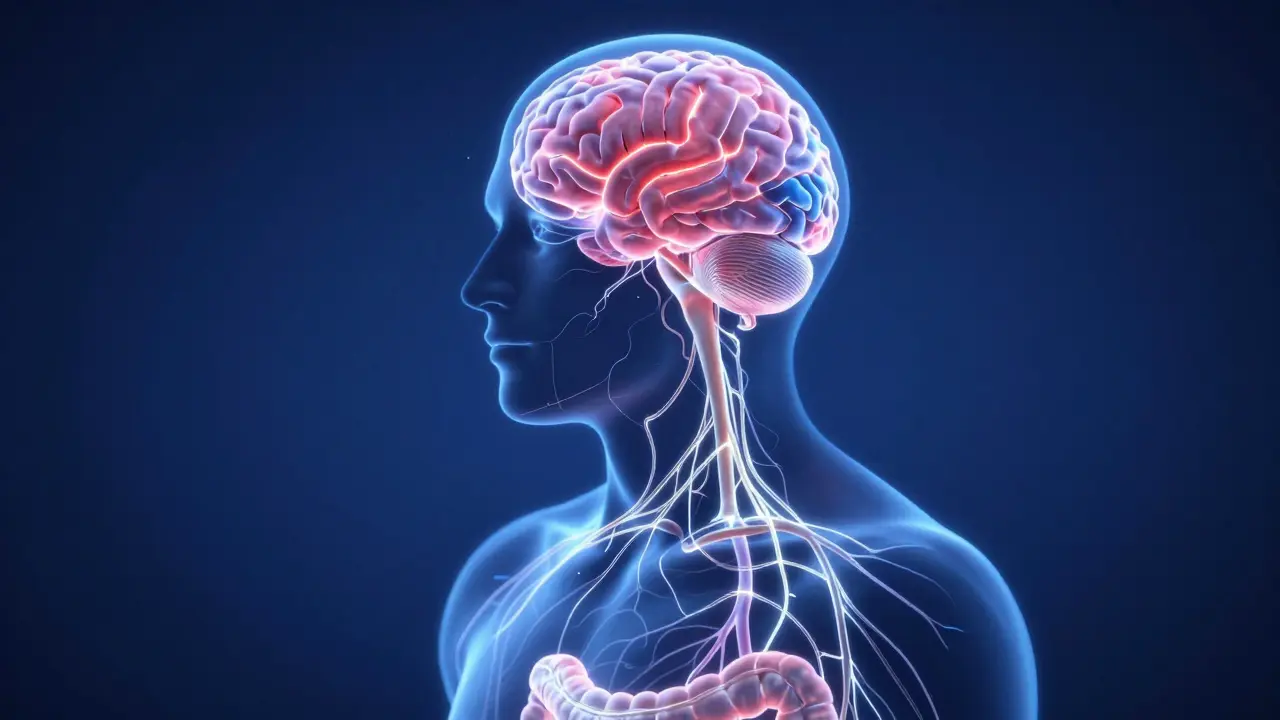
To understand why calmness matters, you have to look at your nervous system. You have two main modes: the sympathetic nervous system (fight or flight) and the parasympathetic nervous system (rest and digest). When you are stressed, your sympathetic system dumps adrenaline and cortisol into your bloodstream. This prepares you to run from a tiger. But there is no tiger. There is only a deadline.
The Parasympathetic Nervous System is the branch of the autonomic nervous system responsible for calming the body and conserving energy. When this system activates, your heart rate slows, your blood pressure drops, and your digestion resumes. This is the state of calm. If you stay in fight-or-flight mode for too long, your body starts to break down. Chronic stress leads to inflammation, weakened immunity, and anxiety disorders. Calmness is the off-switch that prevents this burnout.
- Heart Rate Variability (HRV): High HRV indicates a healthy, flexible nervous system. Calmness practices increase HRV.
- Cortisol Levels: Sustained high cortisol damages the hippocampus, the part of the brain responsible for memory.
- Vagus Nerve Activity: This nerve connects your brain to your gut. Stimulating it promotes calmness and reduces inflammation.
Mental Clarity and Decision Making
When you are anxious, your prefrontal cortex-the CEO of your brain-goes offline. Instead, your amygdala, the fear center, takes over. This is why you make impulsive decisions when you are angry or panicked. You cannot plan, analyze, or empathize effectively in a state of high arousal.
Calmness restores access to your prefrontal cortex. It allows you to see the bigger picture. Think about the last time you solved a complex problem. Did you do it while screaming into a pillow? Or did you do it after taking a walk, drinking some water, and sitting quietly? Studies show that even brief periods of mindfulness can improve focus and reduce mind-wandering by up to 30%. Calmness is not passive; it is the foundation of high-performance thinking.
| Feature | Stress Response (Sympathetic) | Calm State (Parasympathetic) |
|---|---|---|
| Thinking Style | Narrow, reactive, binary | Broad, creative, nuanced |
| Emotional Control | Low (prone to outbursts) | High (regulated responses) |
| Memory Access | Impaired (hippocampus suppressed) | Enhanced (better recall) |
| Physical Energy | Spent on tension/alertness | Conserved for repair/growth |
Emotional Resilience and Relationships
Your ability to handle conflict depends heavily on your baseline level of calm. When you are already running on empty, a minor disagreement with a partner or colleague feels like a catastrophe. This is called "emotional flooding." You react disproportionately because your resources are depleted.
Cultivating calmness builds emotional resilience. It creates a buffer between stimulus and response. Instead of snapping back, you pause. That pause is where choice lives. People who practice regular calmness techniques report better relationships and less workplace conflict. Why? Because they are not projecting their internal chaos onto others. They listen better. They speak more clearly. They are present.
Practical Ways to Cultivate Calmness
You do not need a retreat in the mountains to find calm. You need small, consistent habits that signal safety to your nervous system. Here are three evidence-based methods you can start today.
- Box Breathing: Inhale for four seconds, hold for four, exhale for four, hold for four. This rhythmic breathing stimulates the vagus nerve and forces your body into a parasympathetic state within minutes.
- Digital Detox Windows: Set specific times when you are offline. The constant ping of notifications keeps your brain in a state of partial attention, which is exhausting. Try turning off notifications after 8 PM.
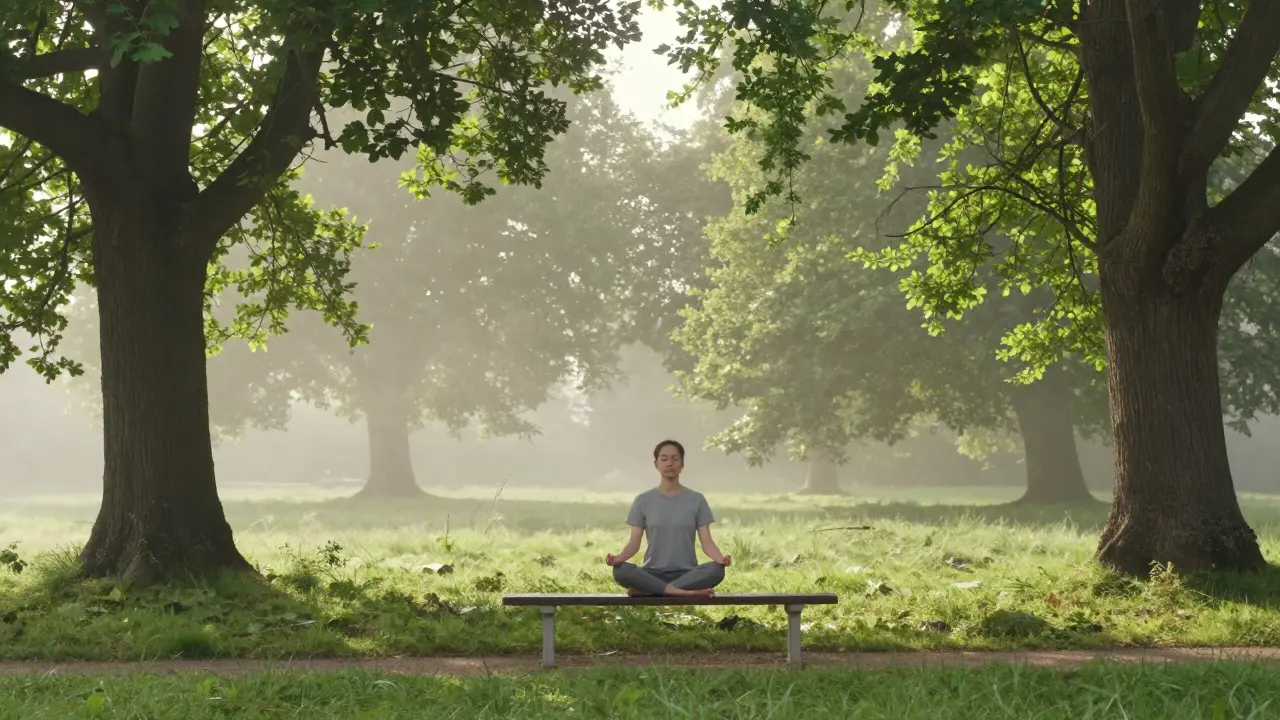
- Nature Exposure: Spending just 20 minutes in a green space lowers cortisol levels. You do not need to hike. Sitting in a park or looking at trees from your window works. Nature provides "soft fascination" that allows your directed attention to recover.
Another powerful tool is Mindfulness Meditation, which is the practice of paying attention to the present moment without judgment. Research from Harvard Medical School shows that eight weeks of daily meditation can actually change the structure of the brain, thickening the prefrontal cortex and shrinking the amygdala. You are literally rewiring yourself for calm.
The Cost of Ignoring Calmness
If you skip sleep, you feel tired. If you skip food, you get hungry. If you skip calmness, the symptoms are subtler but more dangerous. You might experience brain fog, irritability, insomnia, or physical pain like headaches and muscle tension. Over time, chronic lack of calm contributes to serious conditions like hypertension, depression, and heart disease.
Society often glorifies busyness. We wear exhaustion like a badge of honor. But productivity without recovery is just self-destruction. You cannot pour from an empty cup. Prioritizing calmness is not selfish; it is strategic. It ensures you have the mental bandwidth to care for yourself, your work, and your loved ones.
Building a Culture of Calm
Calmness is also contagious. When you remain steady in a crisis, you help regulate those around you. Parents model calm for their children. Leaders model calm for their teams. By prioritizing your own mental stillness, you contribute to a healthier environment for everyone you interact with.
Start small. Notice when your shoulders tense up. Take a breath. Step away from the screen. Reclaim your right to be still. Your brain will thank you.
How long does it take to feel calm after practicing relaxation techniques?
Physiological changes can occur in as little as 60 seconds with deep breathing exercises. However, building long-term resilience typically requires consistent practice over several weeks. Most studies suggest 10-20 minutes of daily mindfulness yields significant benefits within 8 weeks.
Is calmness the same as being lazy?
No. Laziness implies avoidance of effort. Calmness is an active state of regulation that enhances performance. Athletes use calmness techniques to peak perform. It is about efficiency, not inactivity.
Can medication replace the need for calmness practices?
Medication can help manage severe anxiety or depression, but it does not teach coping skills. Behavioral practices like meditation and breathing exercises address the root causes of stress reactivity and provide tools you can use independently.
What should I do if I cannot stop my mind from racing?
Focus on your senses instead of your thoughts. Name five things you see, four you feel, three you hear, two you smell, and one you taste. This grounding technique shifts focus from internal chaos to external reality, helping to quiet the mind.
Does listening to music help create calmness?
Yes, particularly slow-tempo music (60-80 beats per minute) can synchronize with your heart rate and lower blood pressure. Instrumental music or nature sounds are often more effective than lyrics, which can engage the language centers of the brain and distract from relaxation.