Biofeedback: Your Tool for Better Stress Control and Mental Health
Ever felt overwhelmed by stress or found it hard to calm your mind? Biofeedback might just be the helpful technique you didn’t know about. It’s a straightforward approach that uses technology to show your body’s signals—like heart rate or muscle tension—so you can learn to control them better. This hands-on feedback lets you step into the driver’s seat of your own well-being.
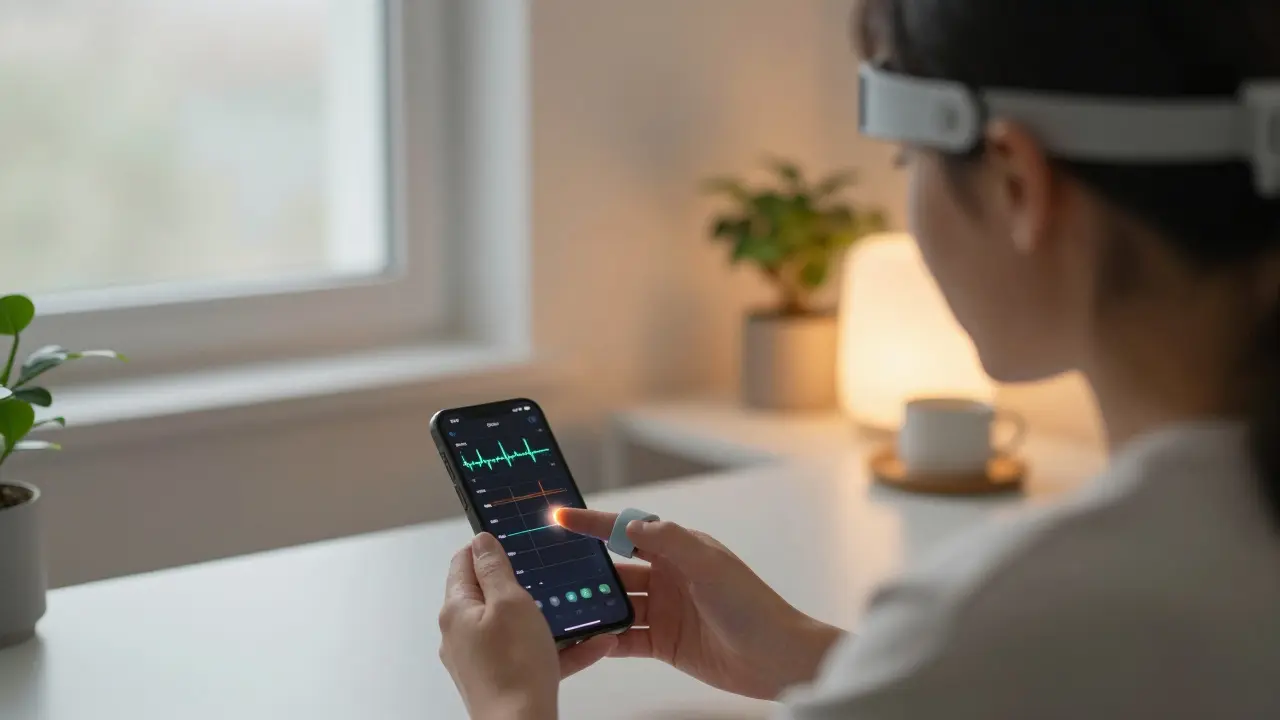
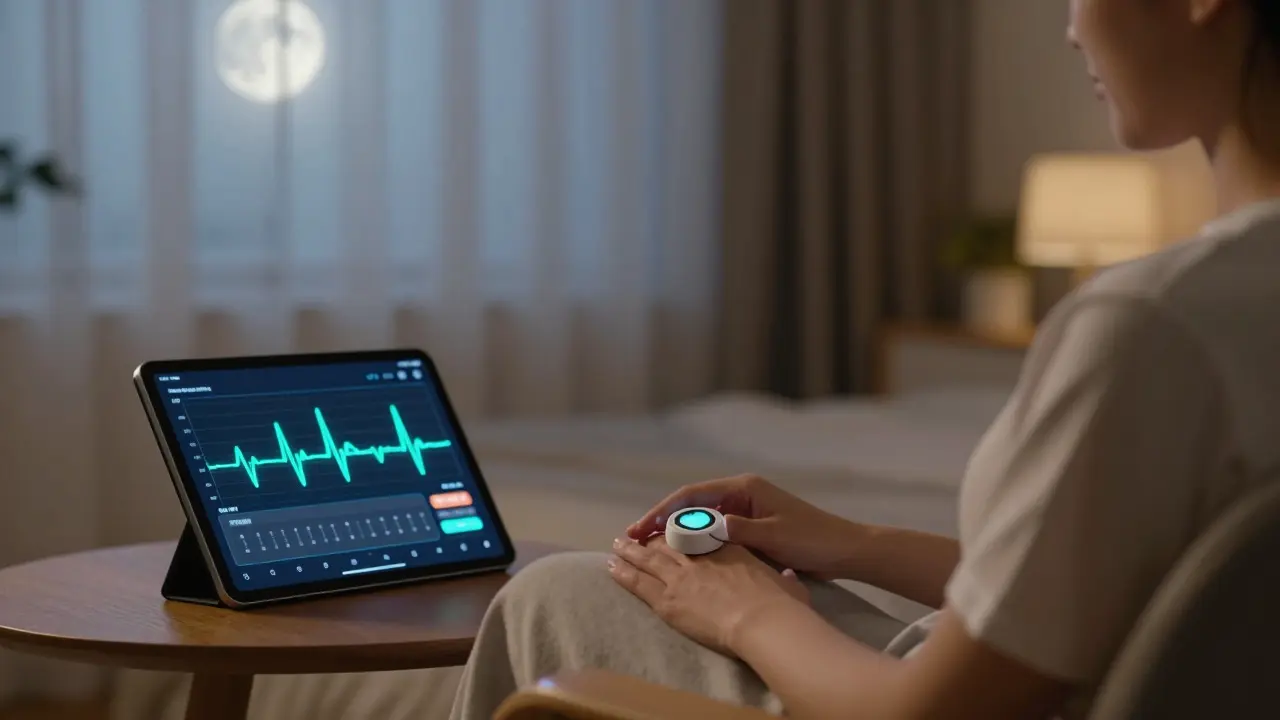
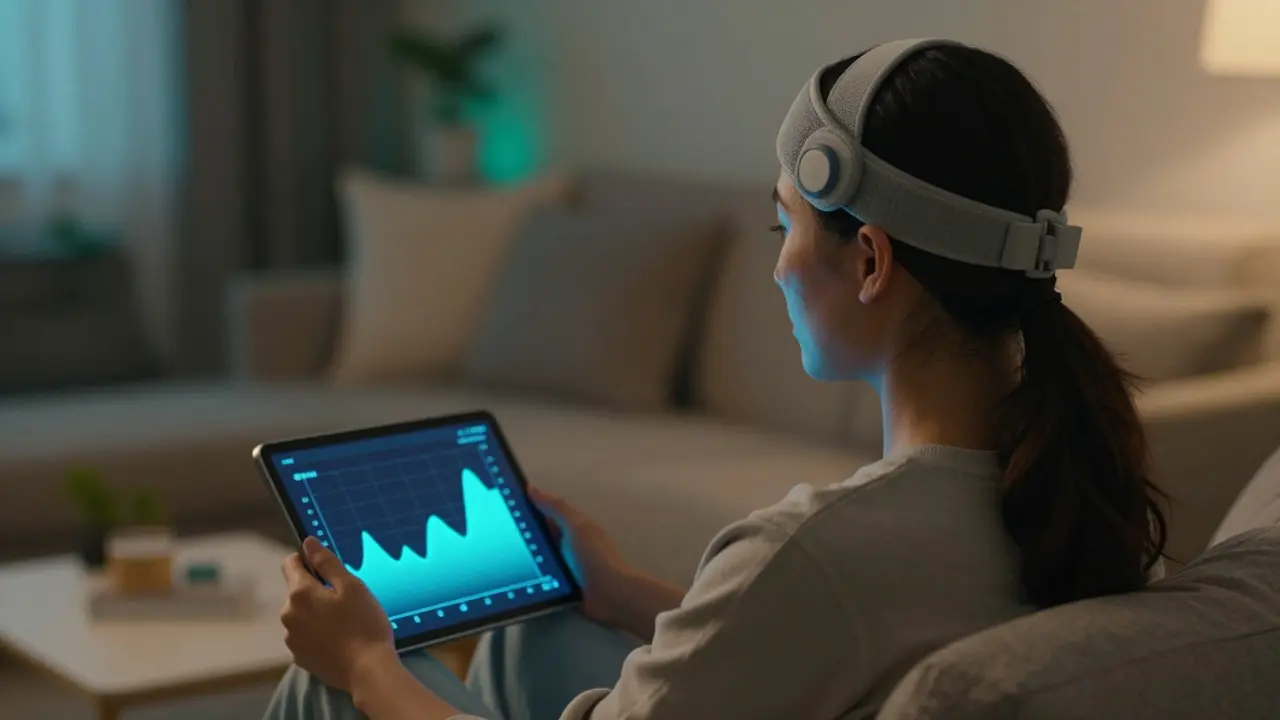
Imagine seeing your stress levels on a screen and then trying simple exercises to bring those numbers down. That’s biofeedback in action. It offers real-time info that helps you recognize triggers and practice relaxation skills with measurable progress. Whether you’re battling anxiety, persistent stress, or want to enhance focus, biofeedback gives you clear clues to work with.
How Does Biofeedback Work for You?
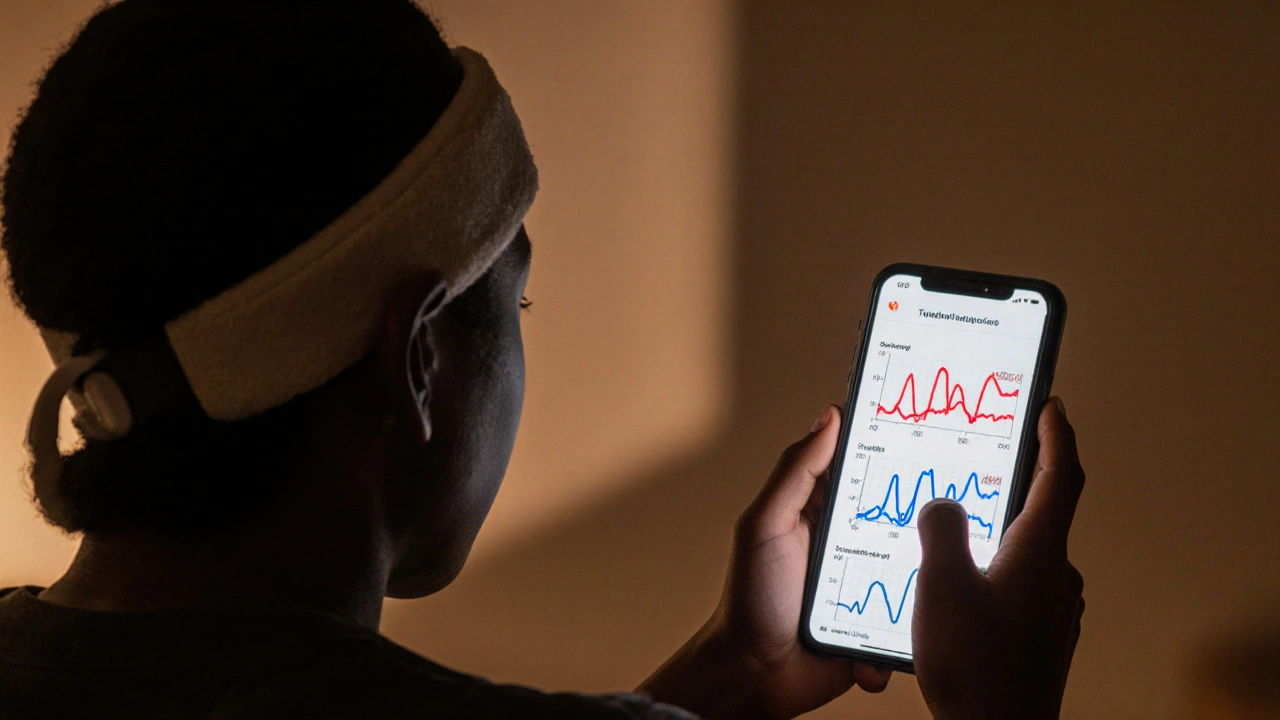
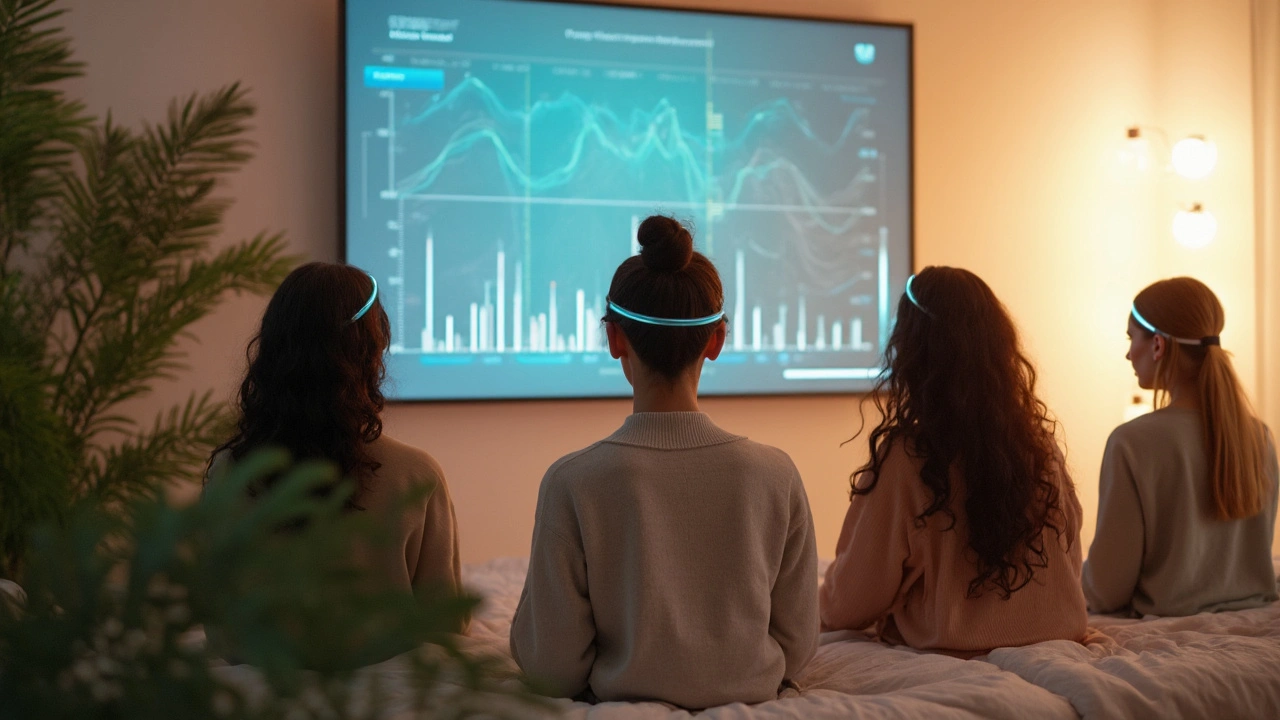
Biofeedback devices pick up signals from your body using sensors placed on your skin. These signals include heart rate, breathing patterns, sweat gland activity, and muscle tension. The data appears on a screen as graphs or numbers, so you get instant feedback about what’s happening inside your body.
By practicing breathing techniques, meditation, or muscle relaxation while watching your results, you learn how your body responds. Over time, you become better at calming physical stress signs without needing the machine. This skill can reduce anxiety, improve sleep, and boost concentration.
Getting Started with Biofeedback Today
Ready to try biofeedback? You don’t always need costly equipment or a therapist. Apps and affordable home devices make it easier than ever to jump in. Start with simple breath awareness: track your breathing pace and aim to slow it to ease tension. Pair this with mindfulness or meditation exercises, and you’re already practicing biofeedback's core idea—using body signals to guide your calm.
If you prefer professional help, therapists trained in biofeedback can customize sessions to your needs and teach you effective methods. Many find this a powerful addition to managing stress, anxiety, or even headaches.
So, if stress feels like a constant battle, why not tap into your body’s natural ability to heal and relax? Biofeedback is a practical, science-backed way to make peace with your own mind and body. It’s about learning your signals and turning them into real control over your mental health.
27 February 2026
Vanessa Holt
Biofeedback gives you real-time insight into your body's stress signals-heart rate, muscle tension, brainwaves-so you can train your nervous system to stay calm. Proven to reduce anxiety, improve sleep, and build emotional resilience without drugs.
Continue Reading...
23 January 2026
Thaddeus Hawthorne
Biofeedback helps you see and control your body's stress signals in real time. Learn how it reduces headaches, anxiety, and high blood pressure without drugs - using simple, science-backed techniques anyone can try.
Continue Reading...
15 January 2026
Thaddeus Hawthorne
Biofeedback helps you retrain your body to sleep naturally by showing you real-time signals of stress and relaxation. No drugs. No side effects. Just science-backed techniques to calm your nervous system and reclaim restful nights.
Continue Reading...
26 December 2025
Ashton Marley
Biofeedback teaches you to control your body's stress responses using real-time data. Learn how it helps with headaches, anxiety, and high blood pressure - without drugs.
Continue Reading...
31 October 2025
Brian Foster
Biofeedback uses real-time data from your body to help you manage stress, reduce pain, and improve wellness. Learn how it works, who benefits most, and how to start today.
Continue Reading...
18 July 2025
Felicity Wittman
Discover how biofeedback transforms mental health—see how it works, what it's good for, who can use it, and real ways to get started today.
Continue Reading...
11 April 2025
Hannah Stanley
Biofeedback is shaking up the health industry by allowing individuals to monitor and modify their body functions using real-time data. This exciting technology provides people with the ability to control aspects of their health that were once thought to be involuntary, like heart rate and muscle tension. Effective for everything from stress relief to managing chronic pain, biofeedback offers a promising, drug-free approach to improving health. As technology advances, biofeedback becomes more accessible and user-friendly, opening up new frontiers in personal wellness.
Continue Reading...
14 March 2025
Elaina Sterling
Biofeedback is revolutionizing wellness by allowing individuals to gain real-time insights into their body's responses. Through devices that track heart rate, muscle tension, and brain waves, users can learn to control these functions, reducing stress and improving overall health. This article explores the technology behind biofeedback, its benefits, and practical tips on incorporating it into daily routines. With the future of health leaning towards personalized care, biofeedback emerges as a key player in enhancing well-being.
Continue Reading...
30 January 2025
Felicity Wittman
Biofeedback is emerging as a promising method for managing chronic pain. By using technology to monitor bodily functions, individuals can learn to control physiological processes that impact pain perception. This approach empowers patients with self-regulation techniques that potentially reduce the need for medication. Explore how biofeedback, combined with a holistic treatment plan, could change the landscape of chronic pain management.
Continue Reading...
15 May 2024
Leighton Browne
Biofeedback is a powerful tool that helps individuals gain control over their physiological processes to improve health and personal performance. This article explores the basics of biofeedback, how it works, its benefits, and tips for getting started, making it an ultimate guide for self-regulation through natural methods.
Continue Reading...